Hack Night at GitHub
$ Sponsors.log
[GOLD] 2

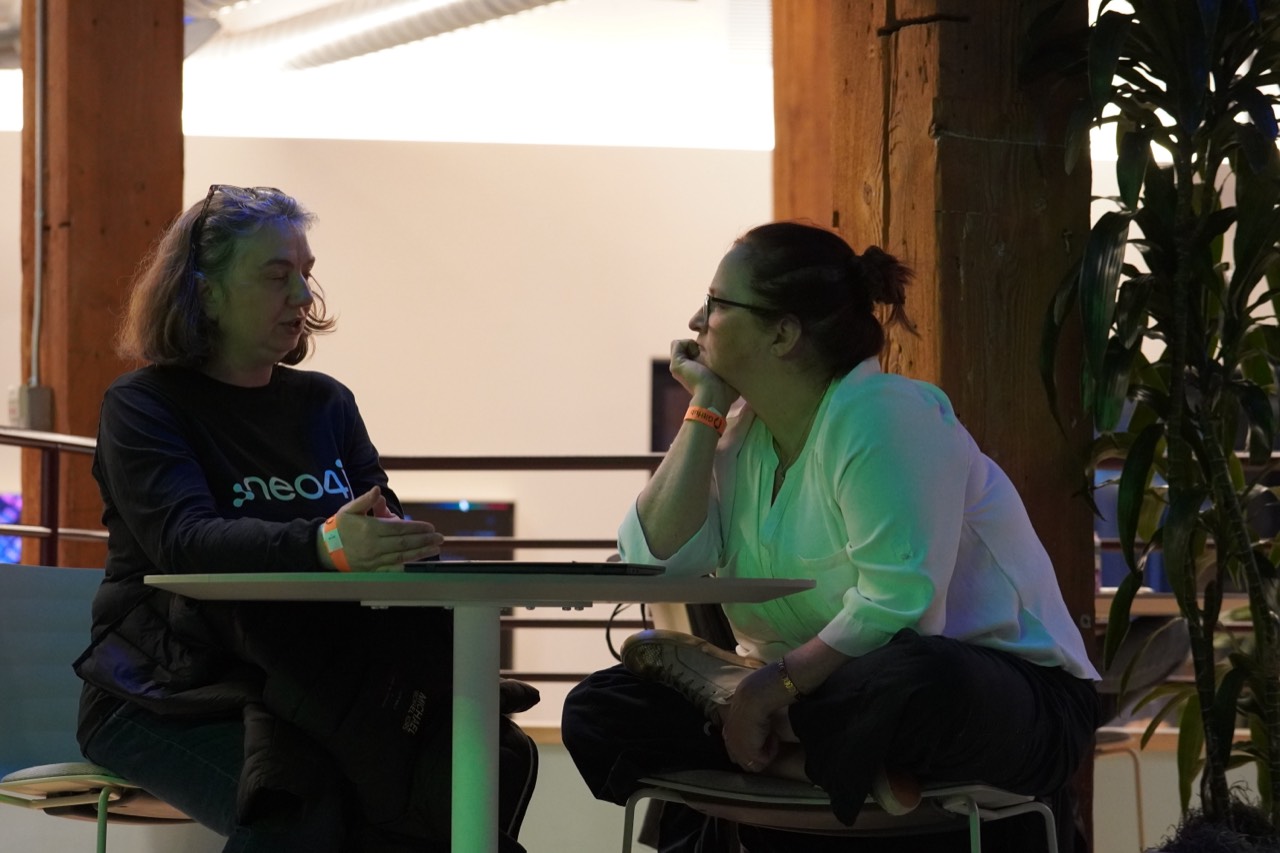
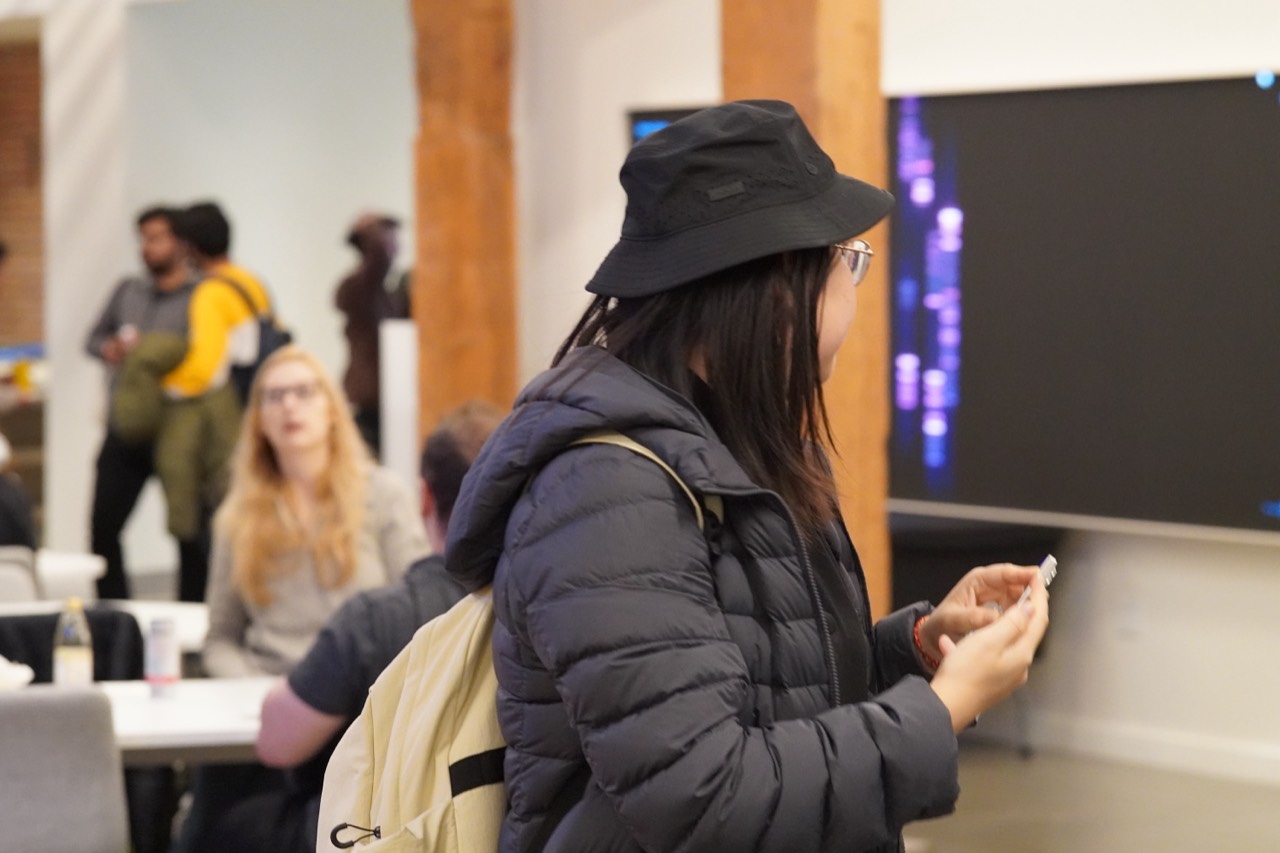
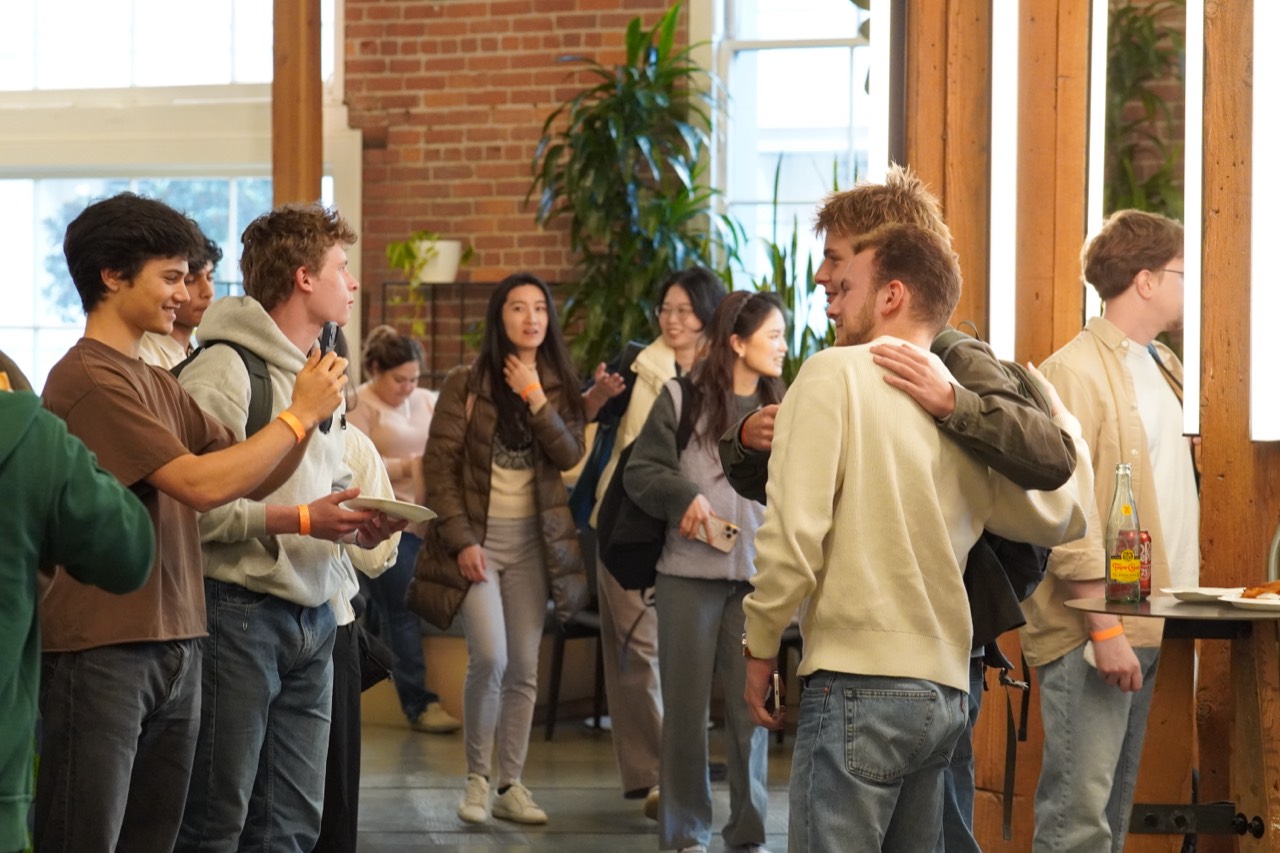
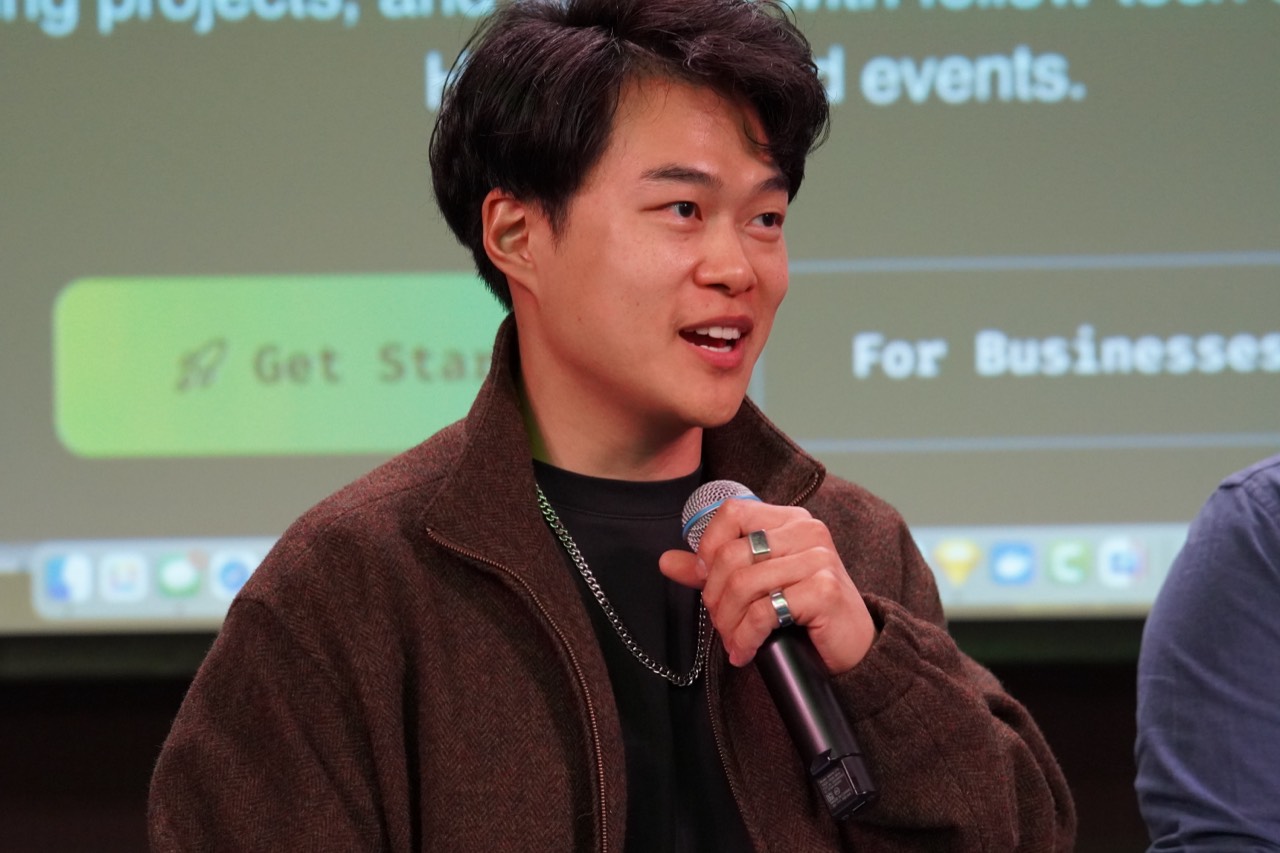
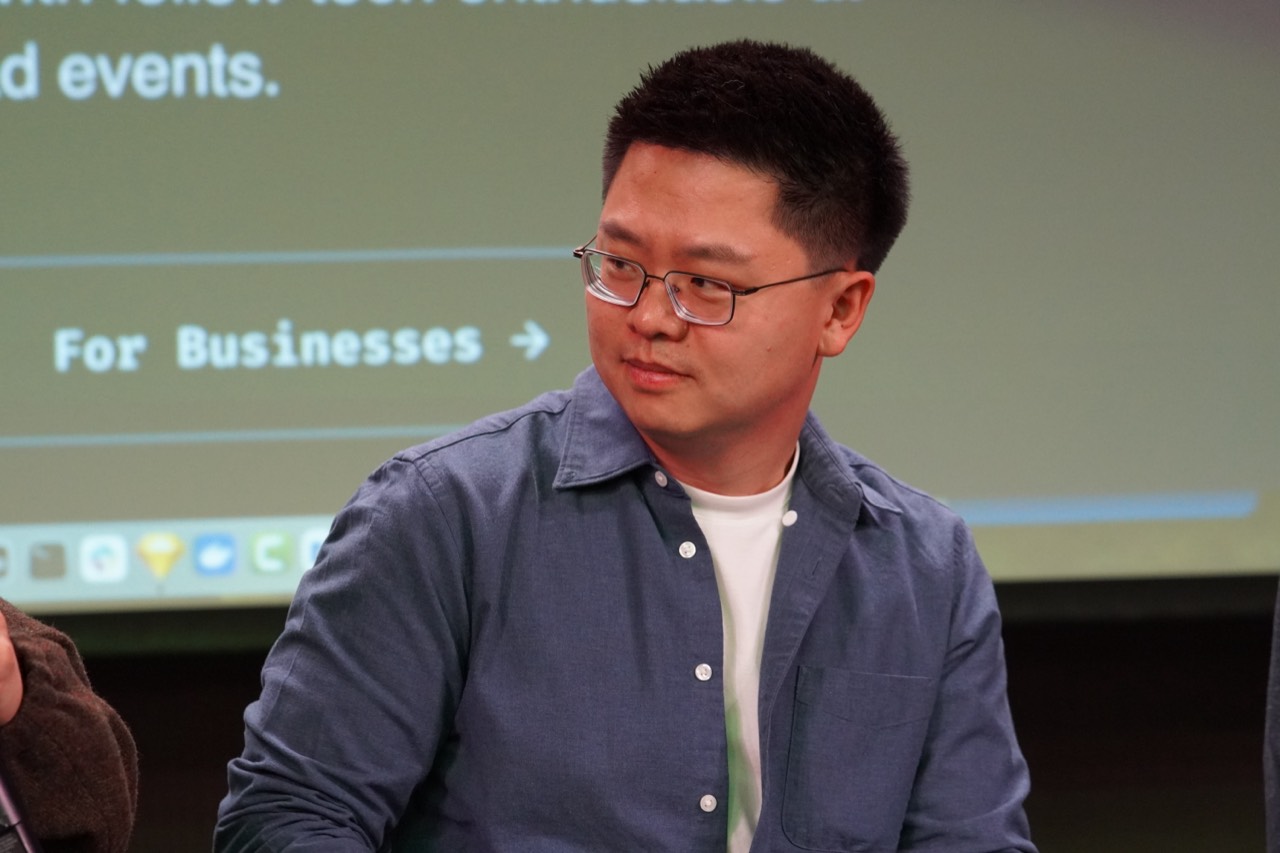
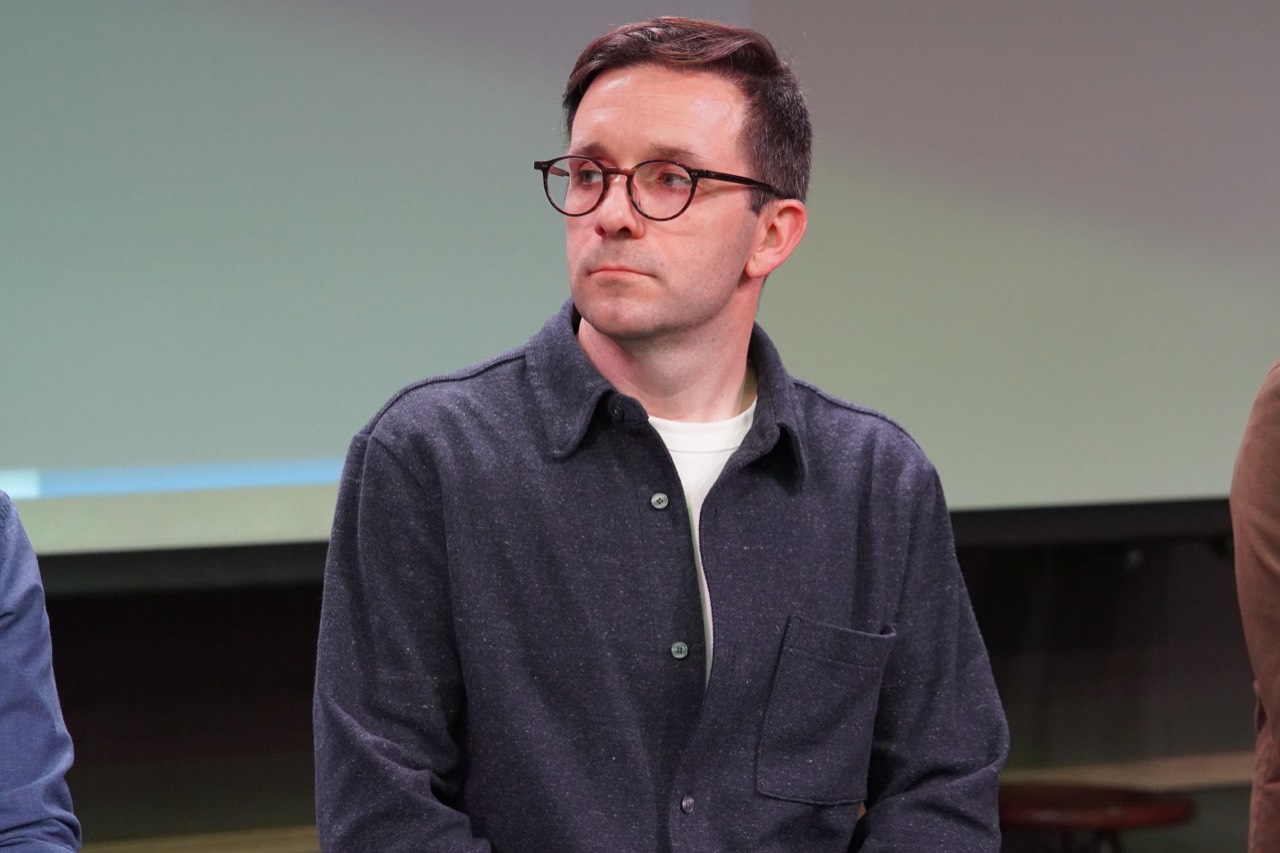
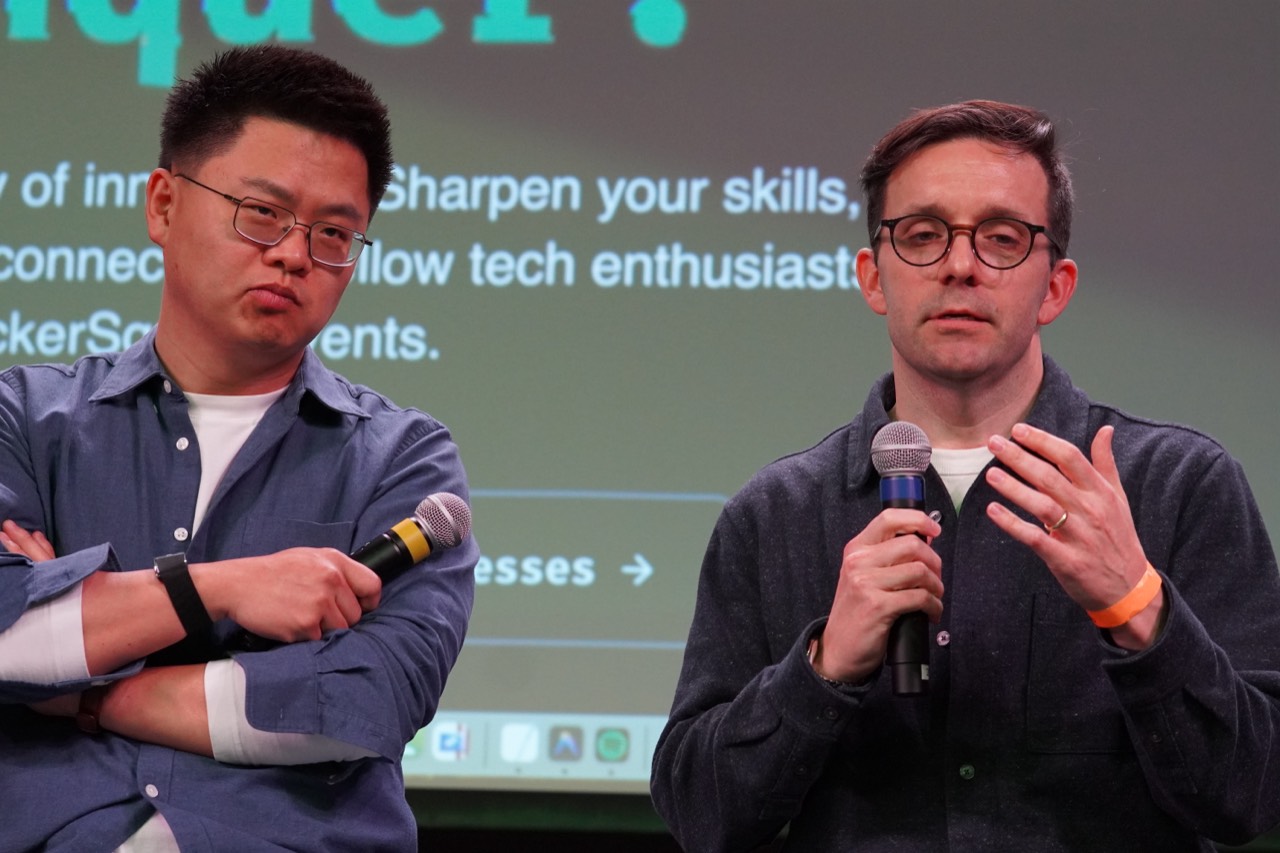
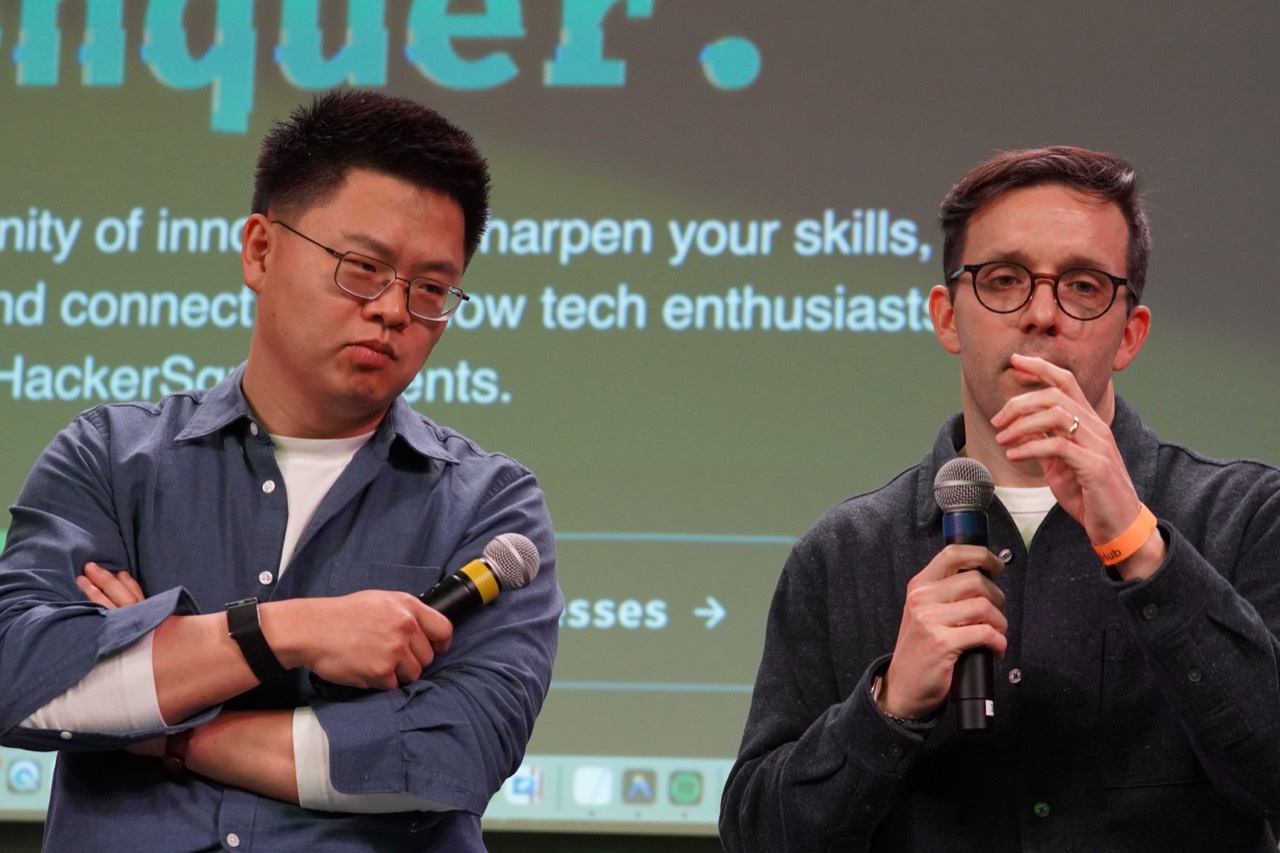
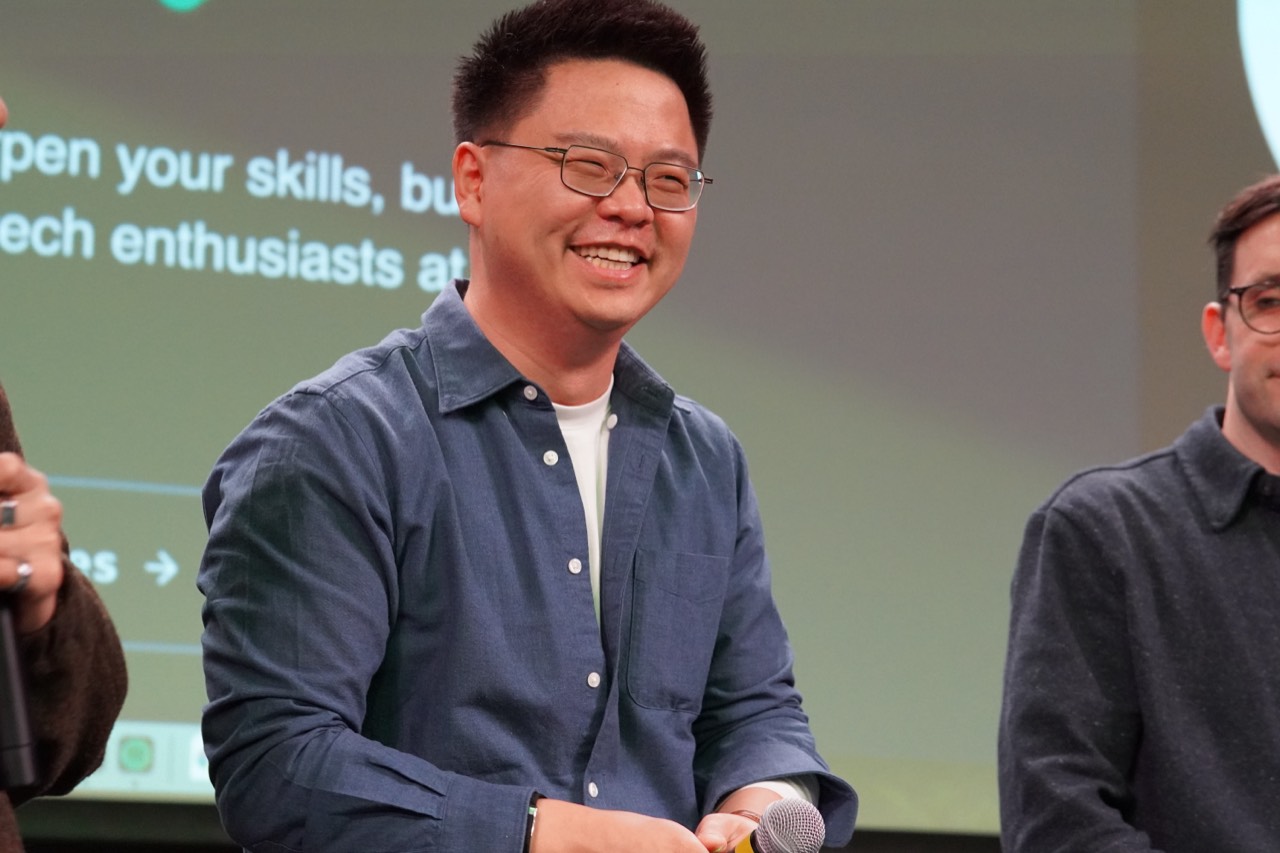
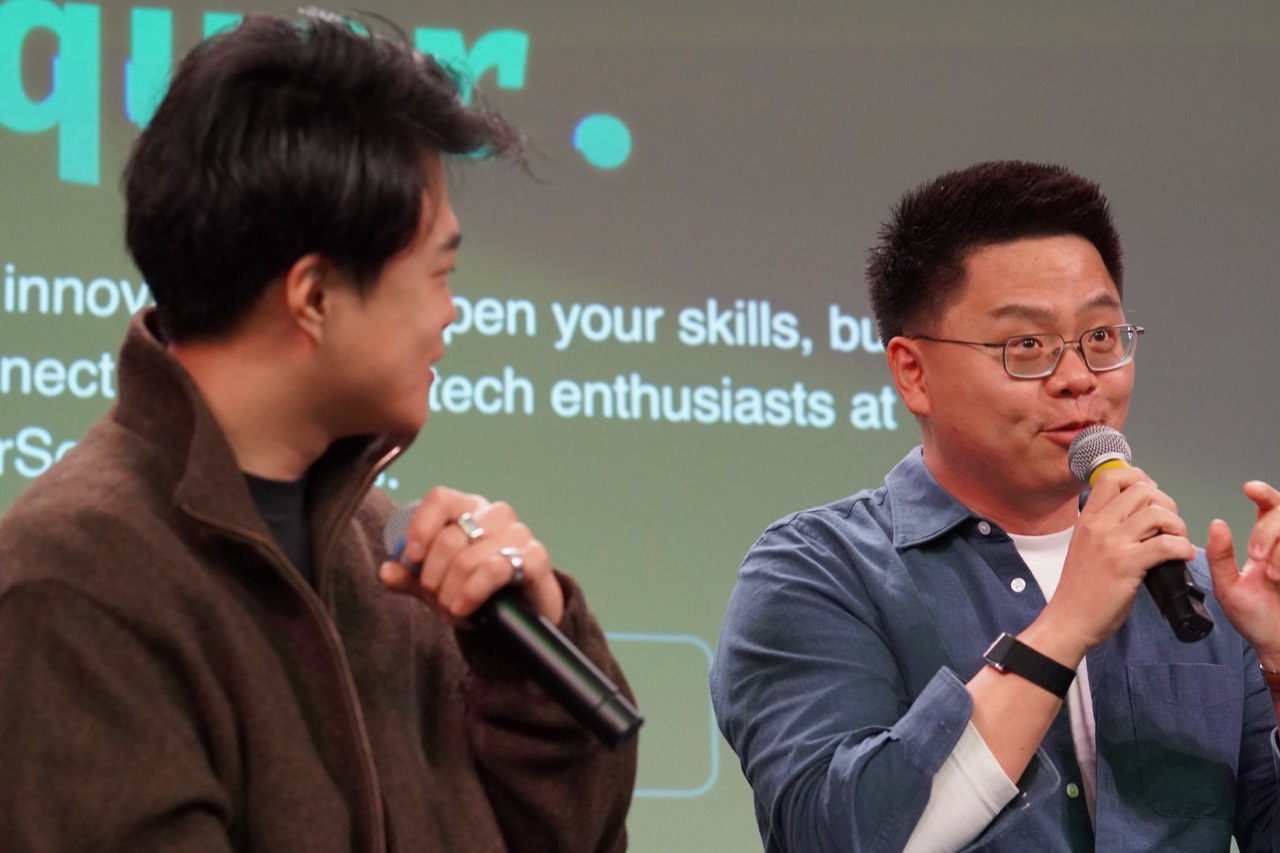
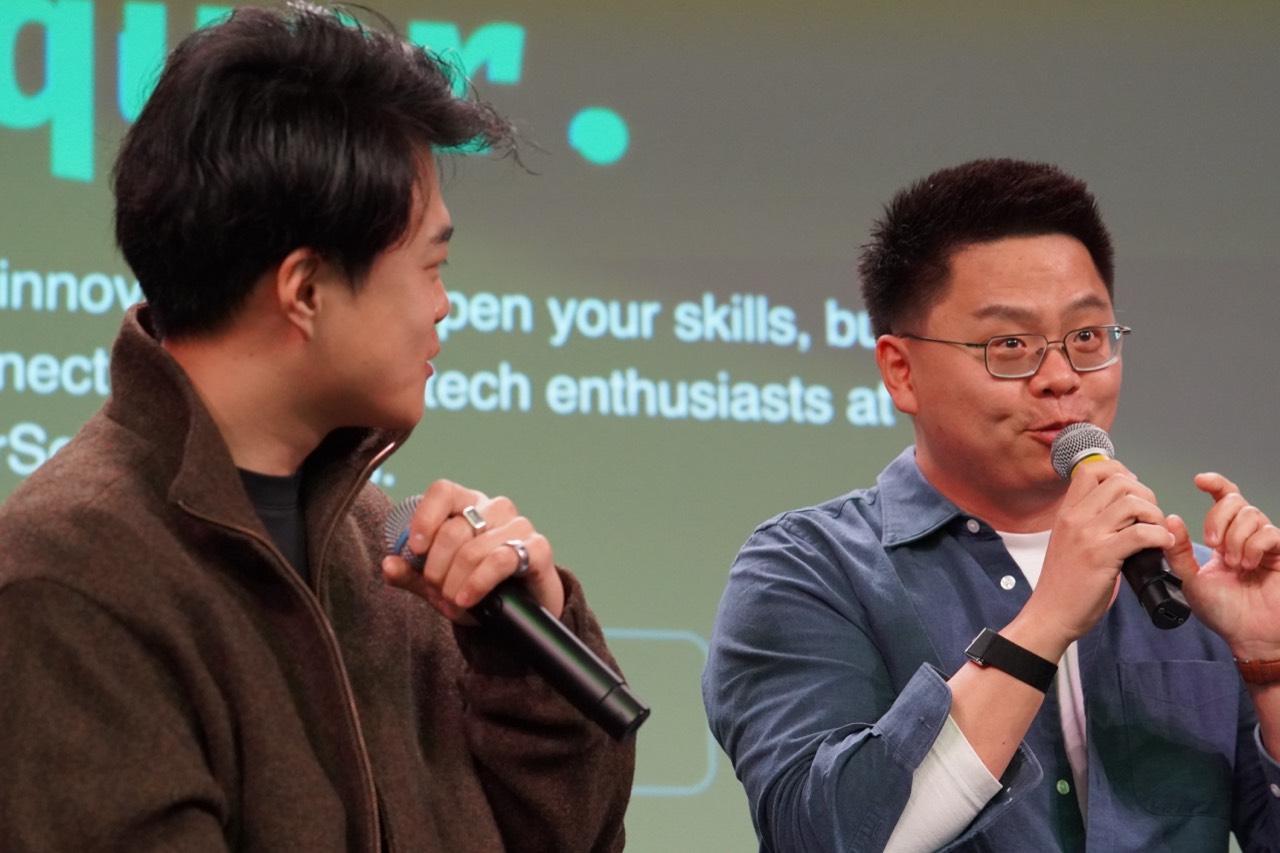
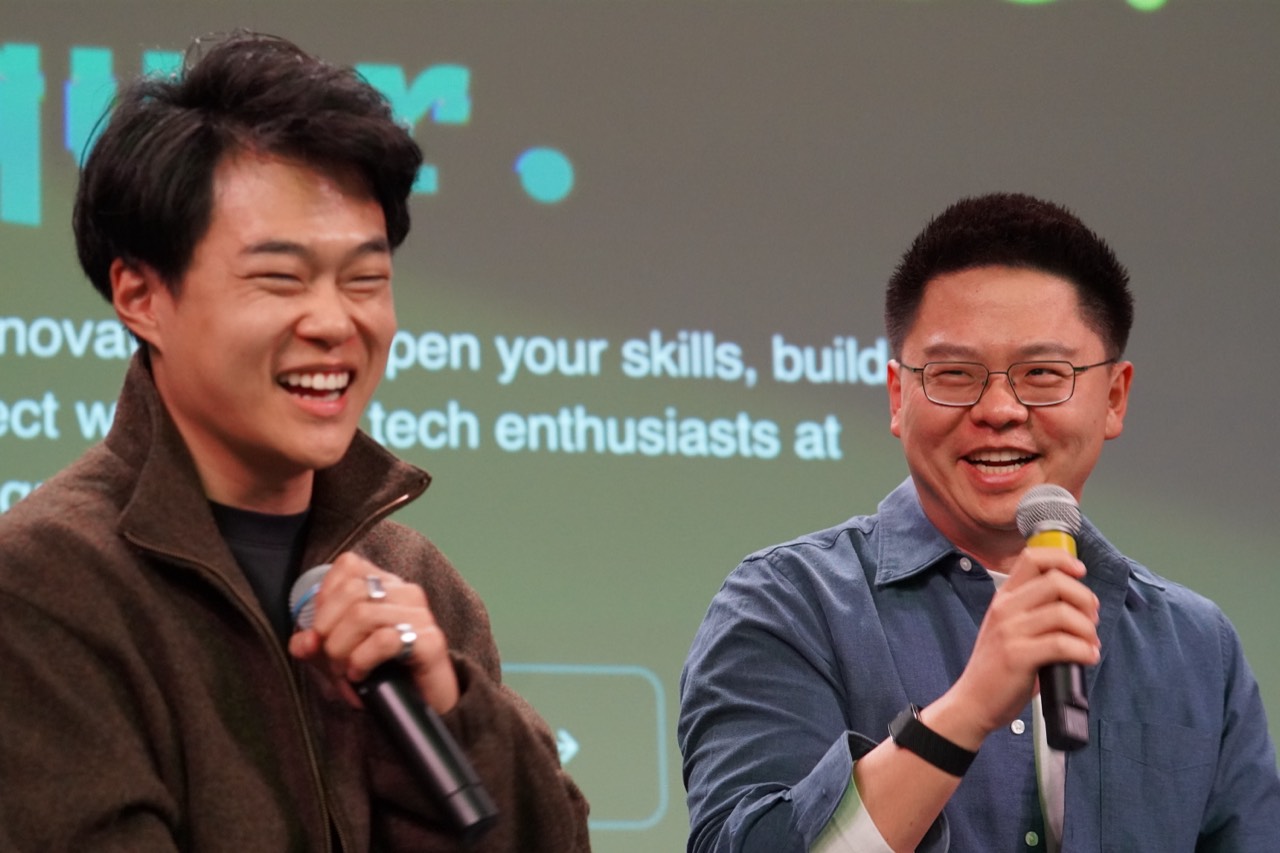
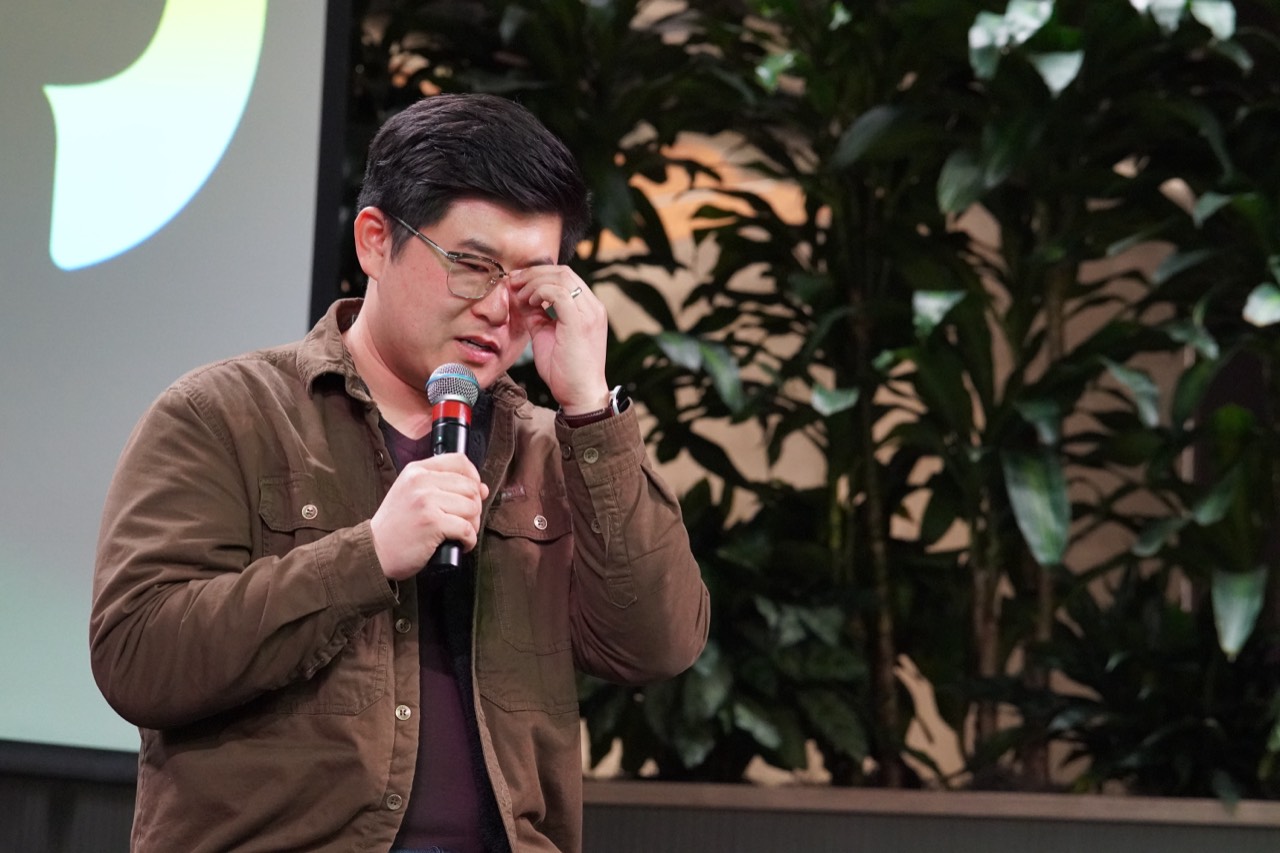
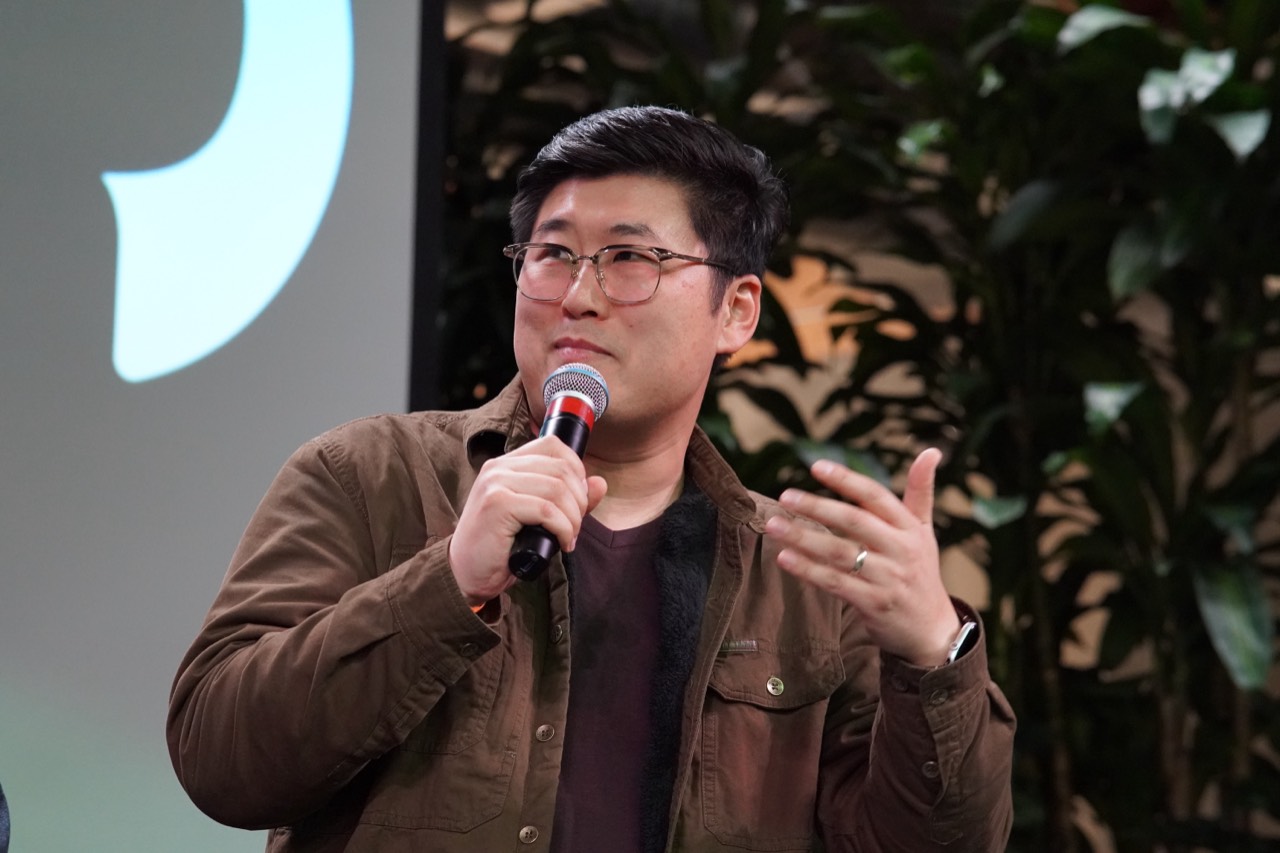
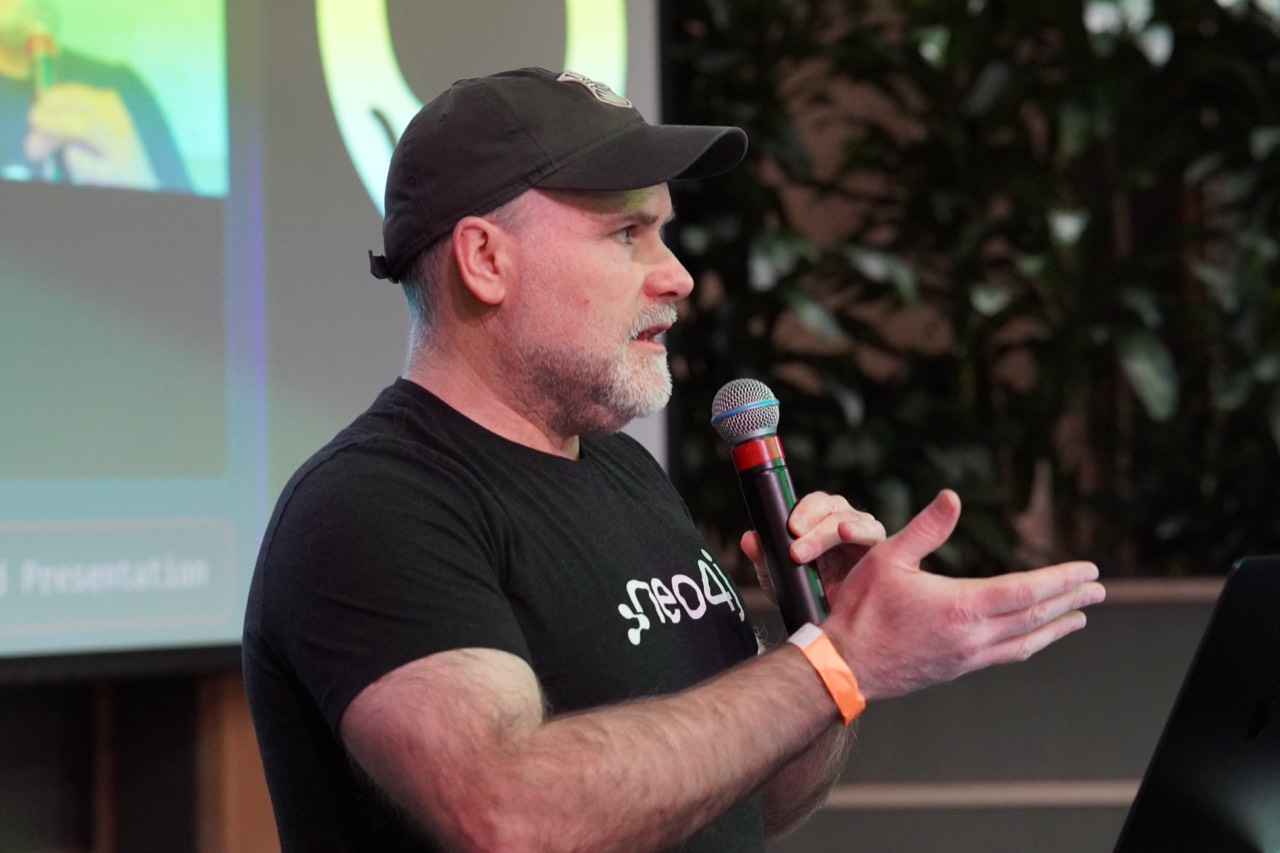
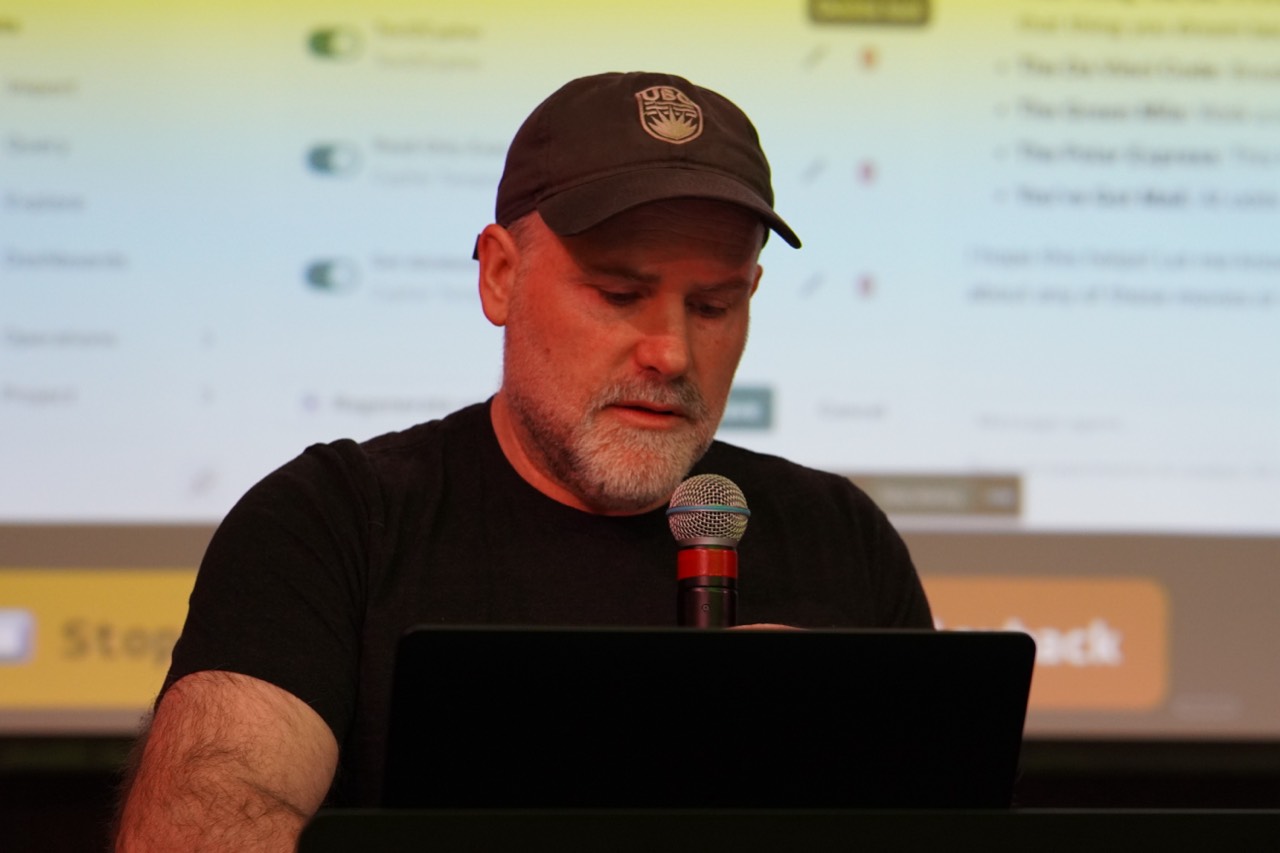
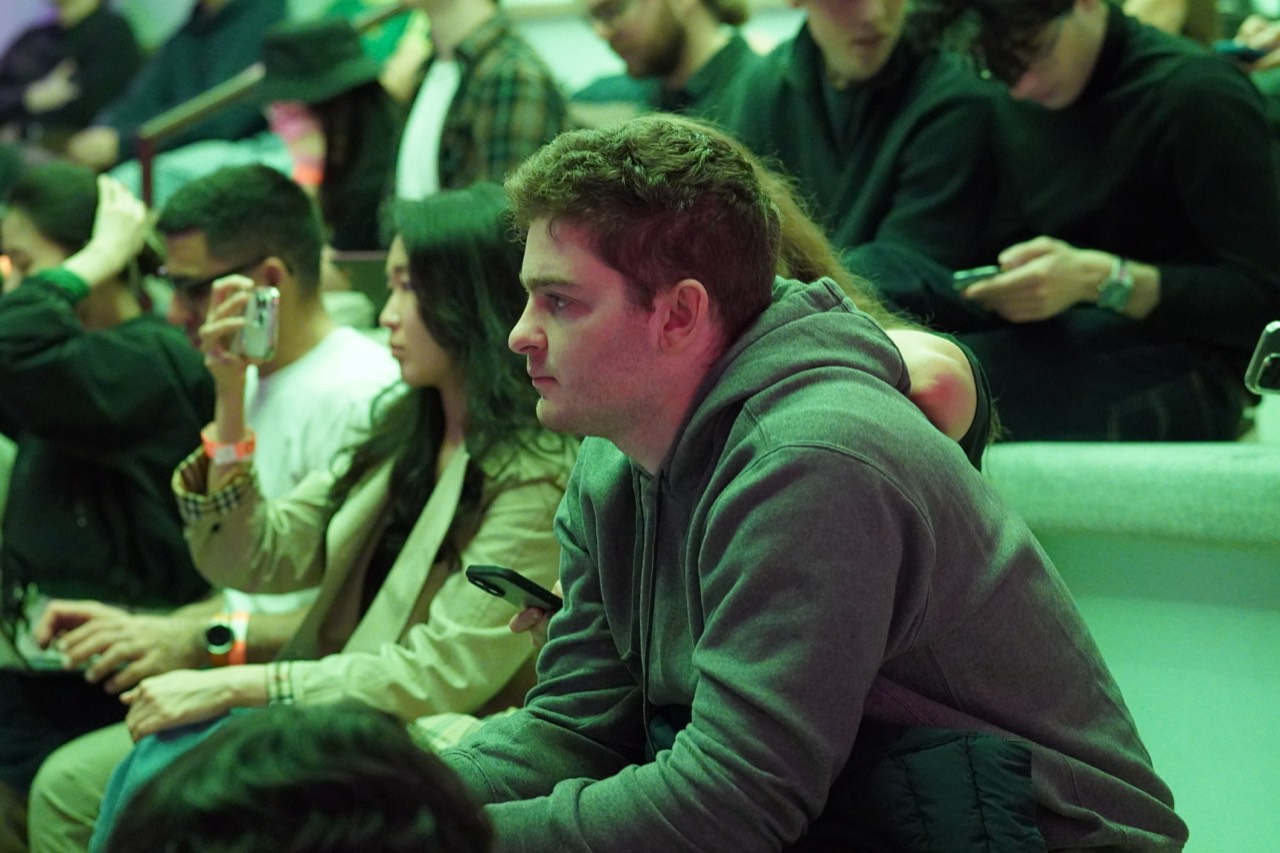
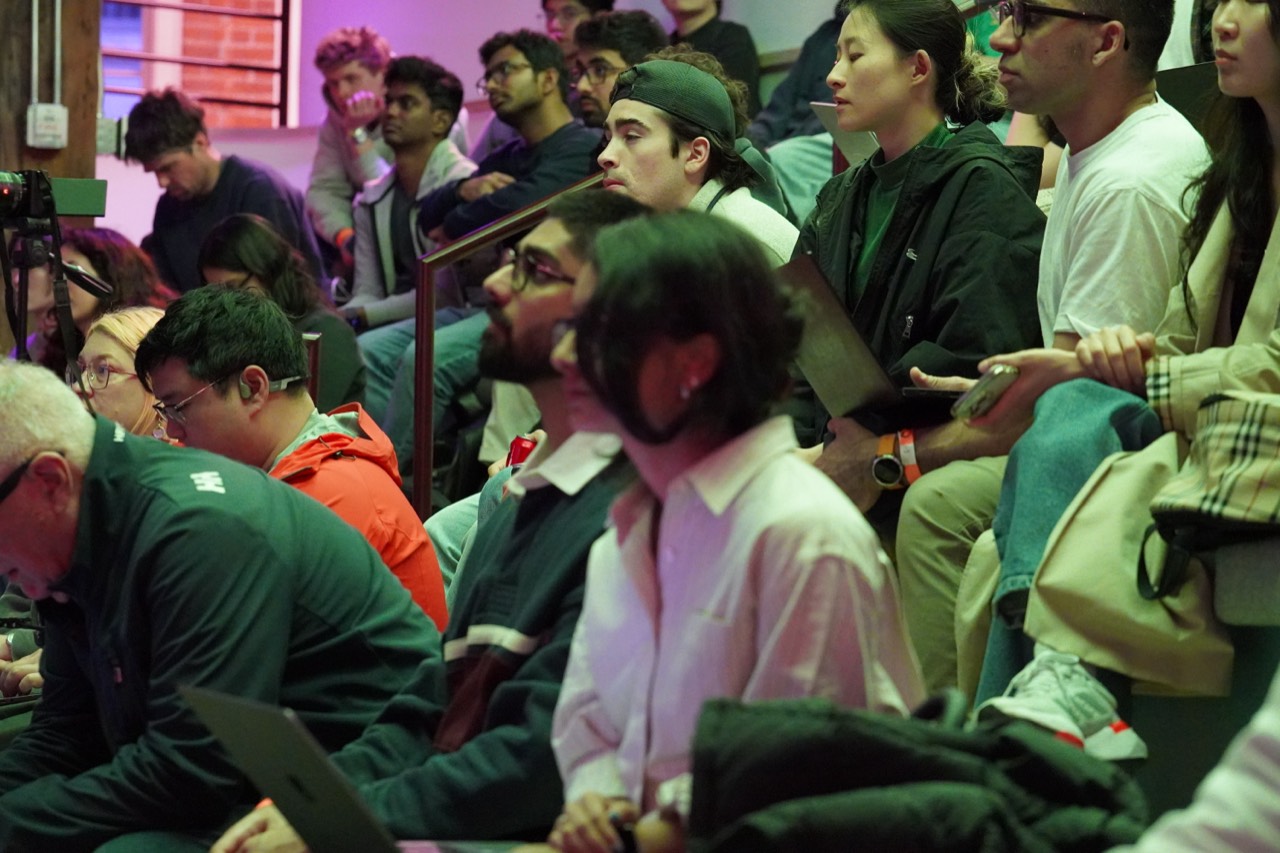
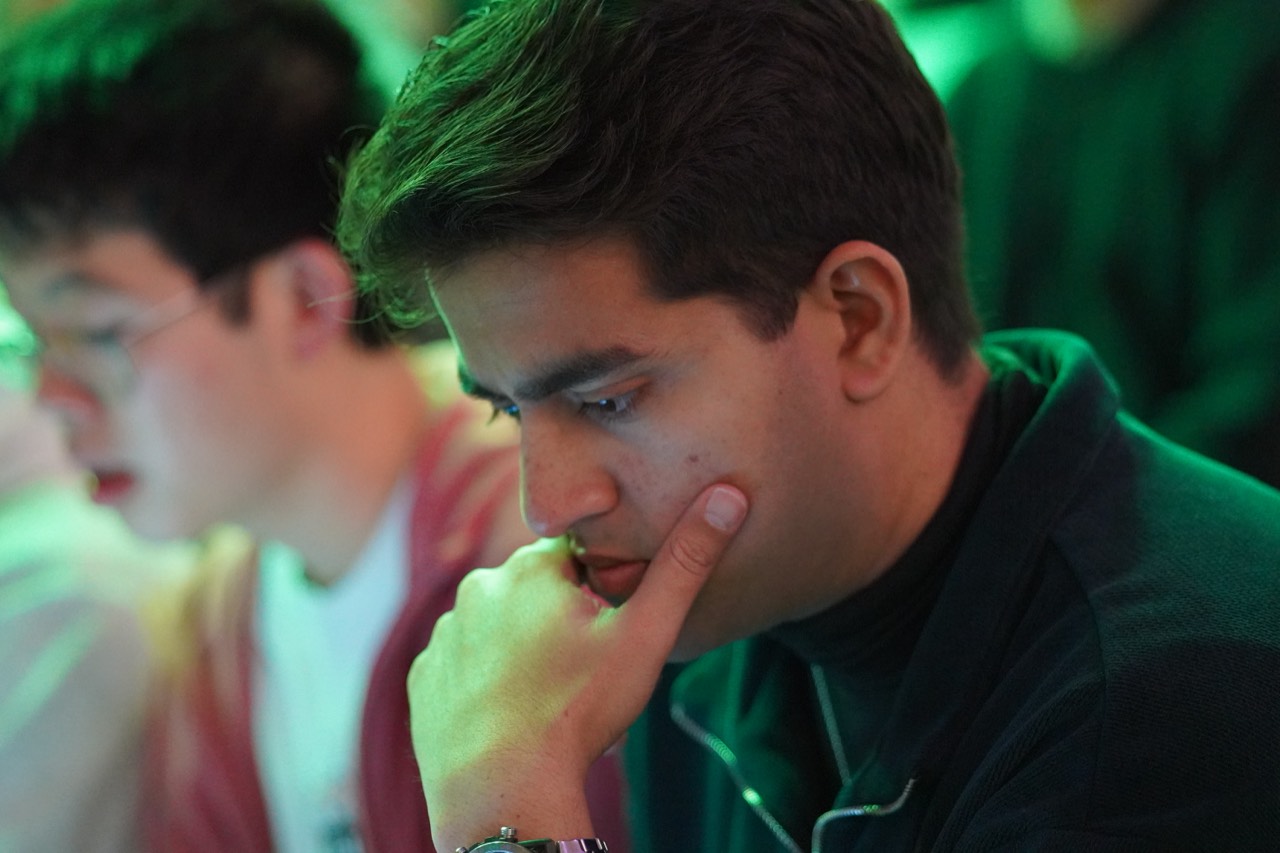
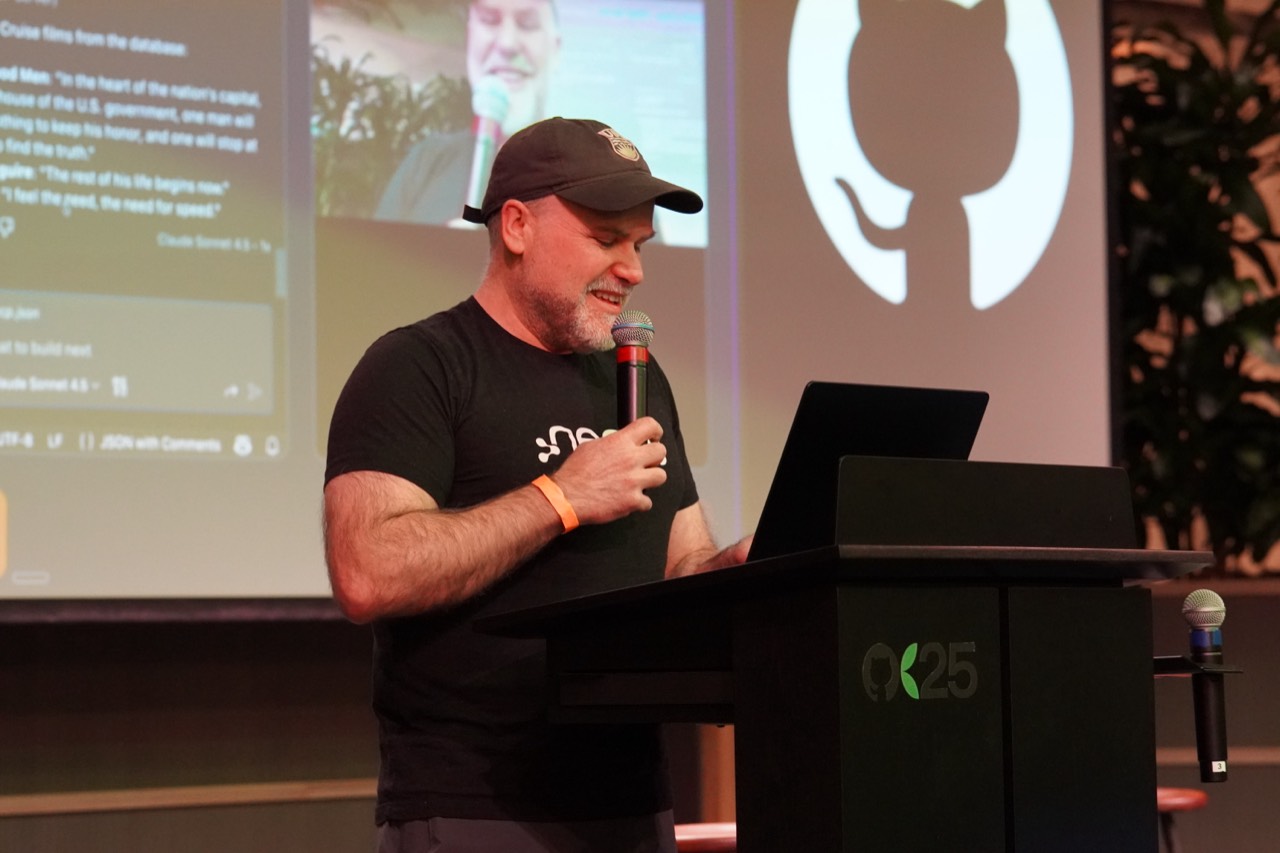
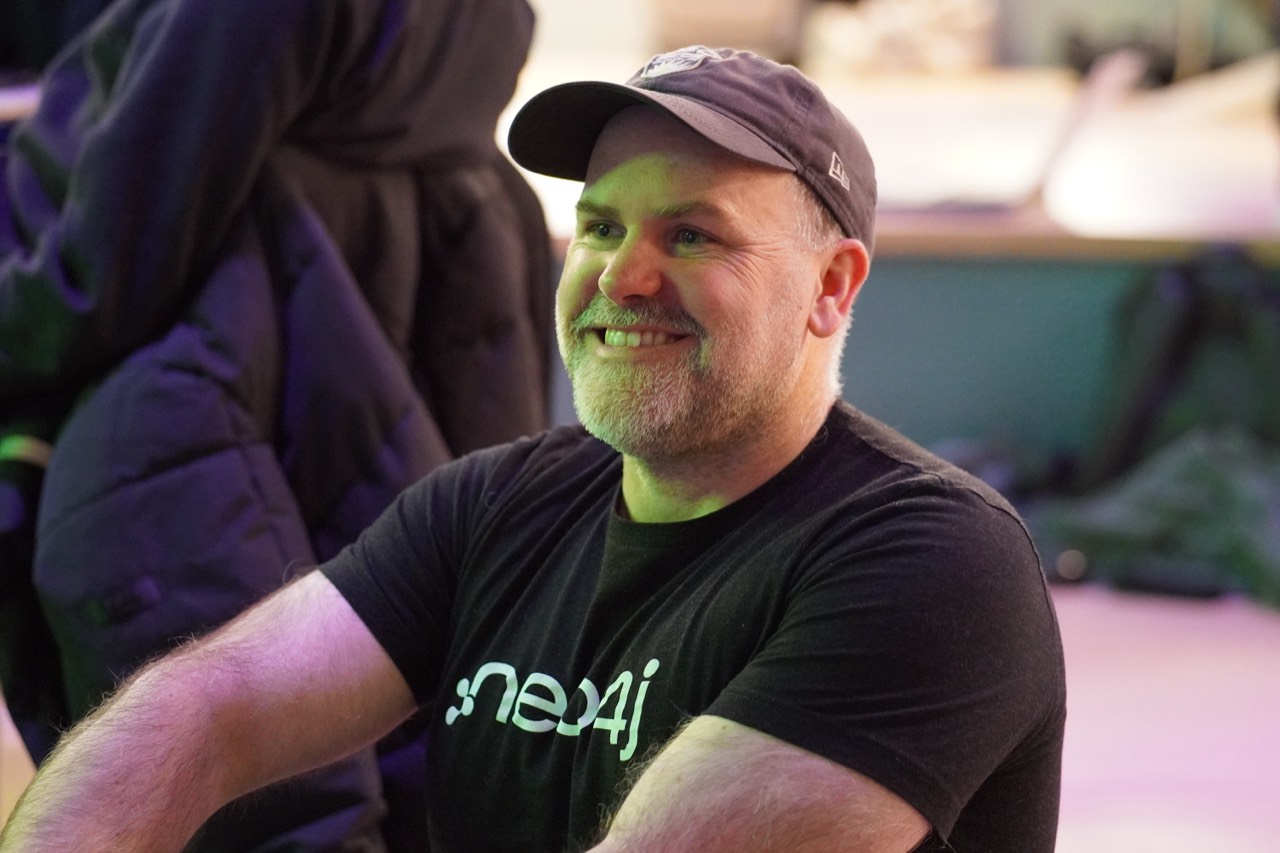
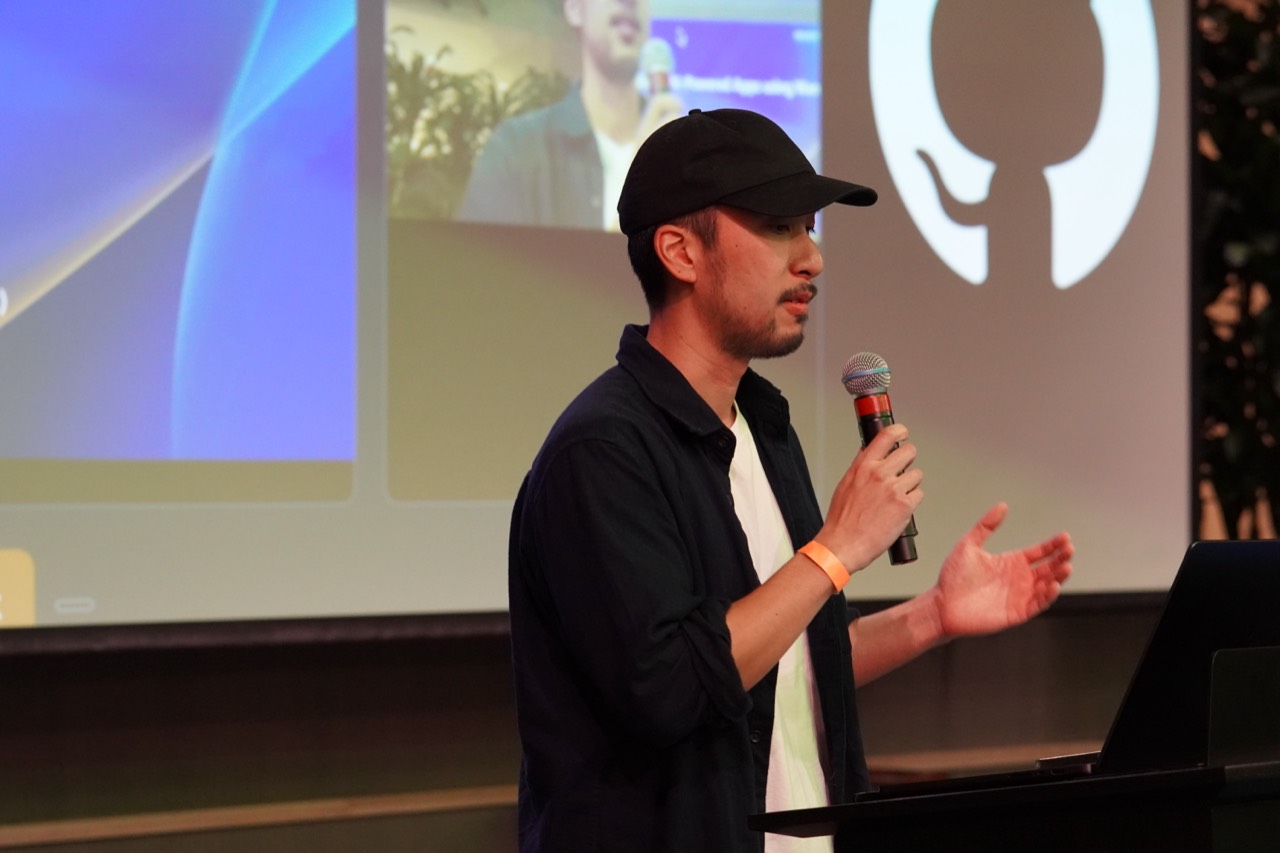
$ Gallery.log (86)
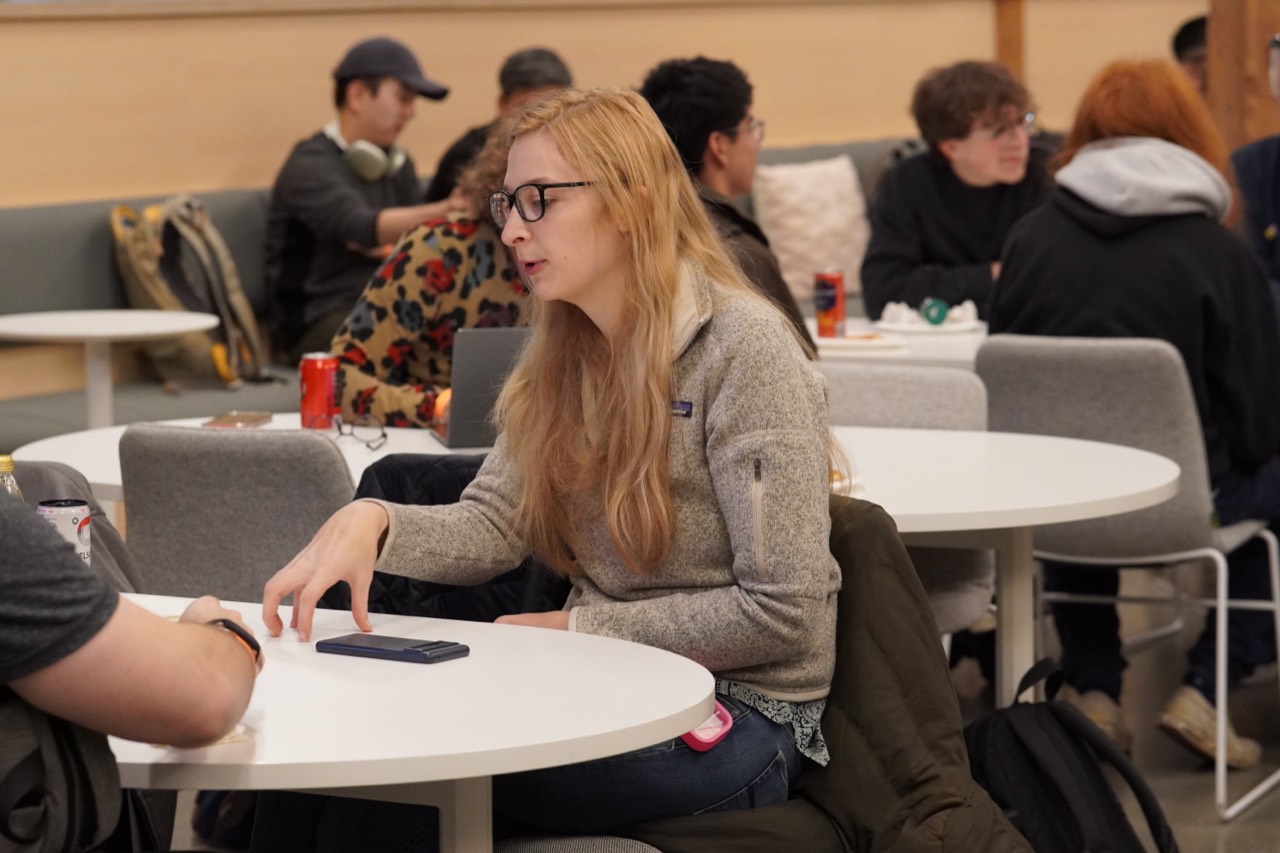
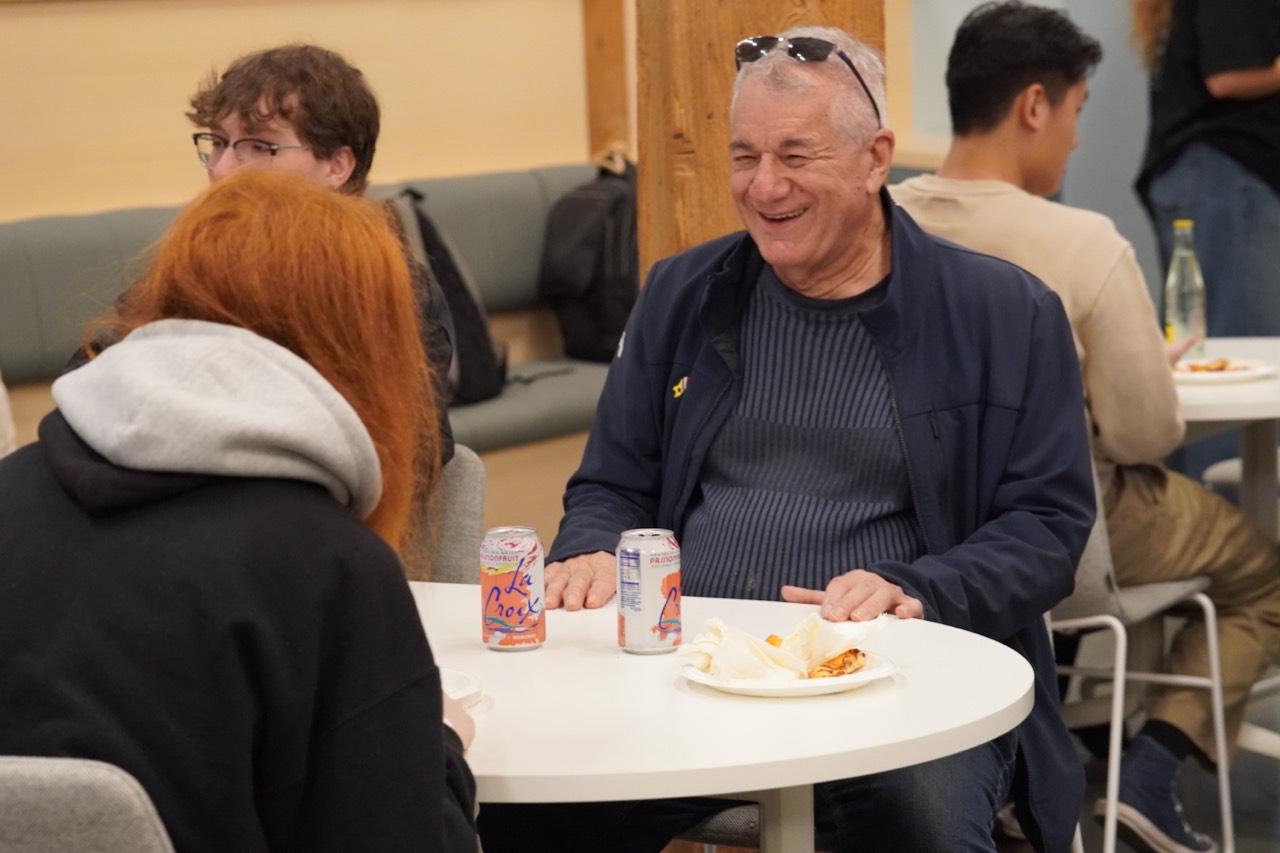
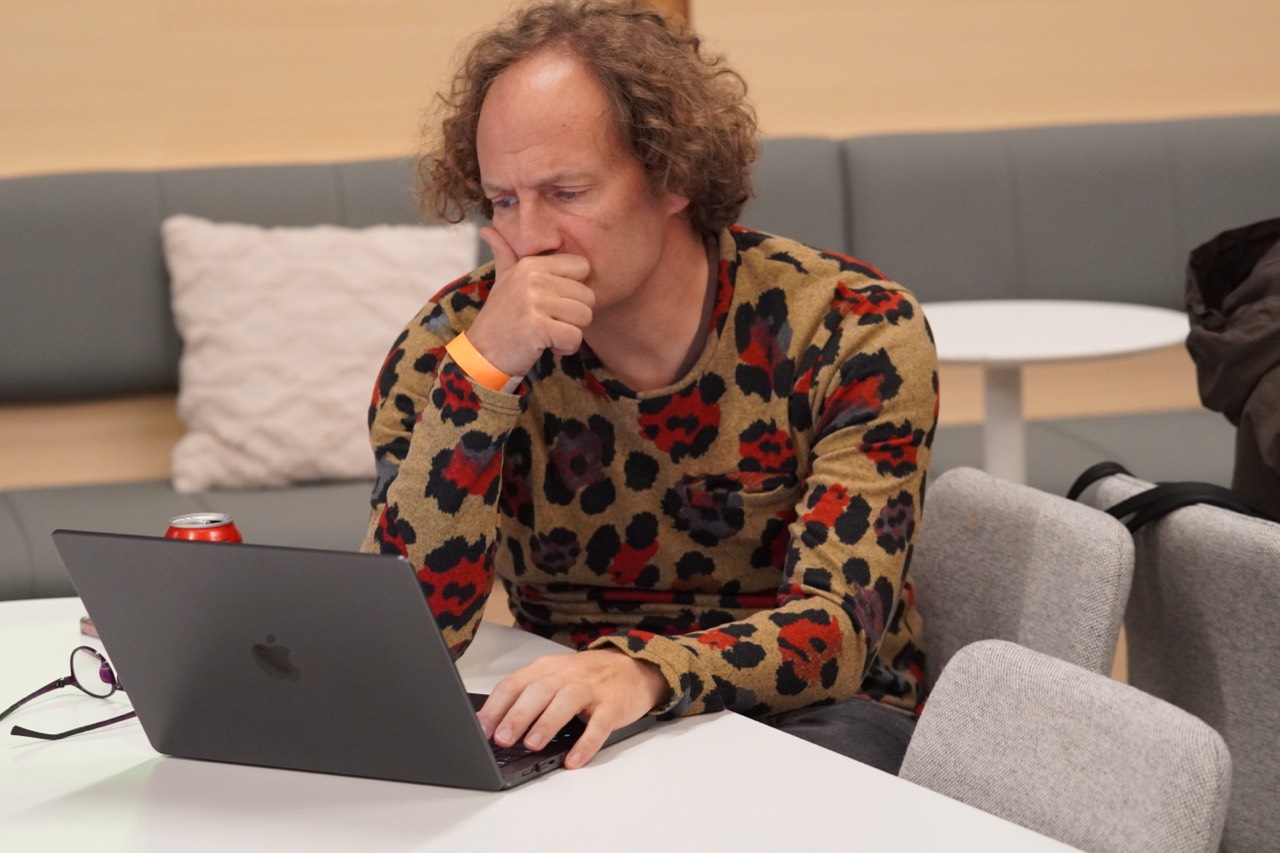
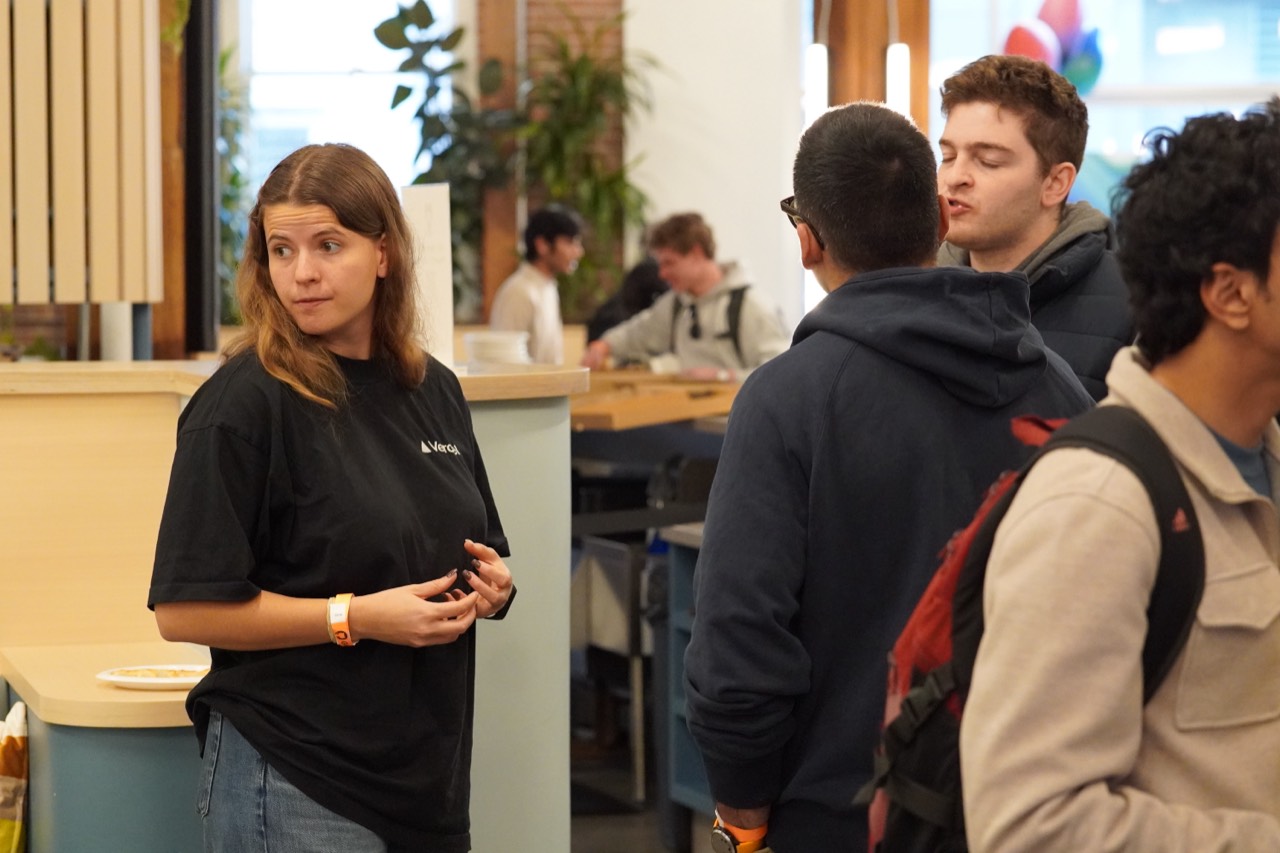
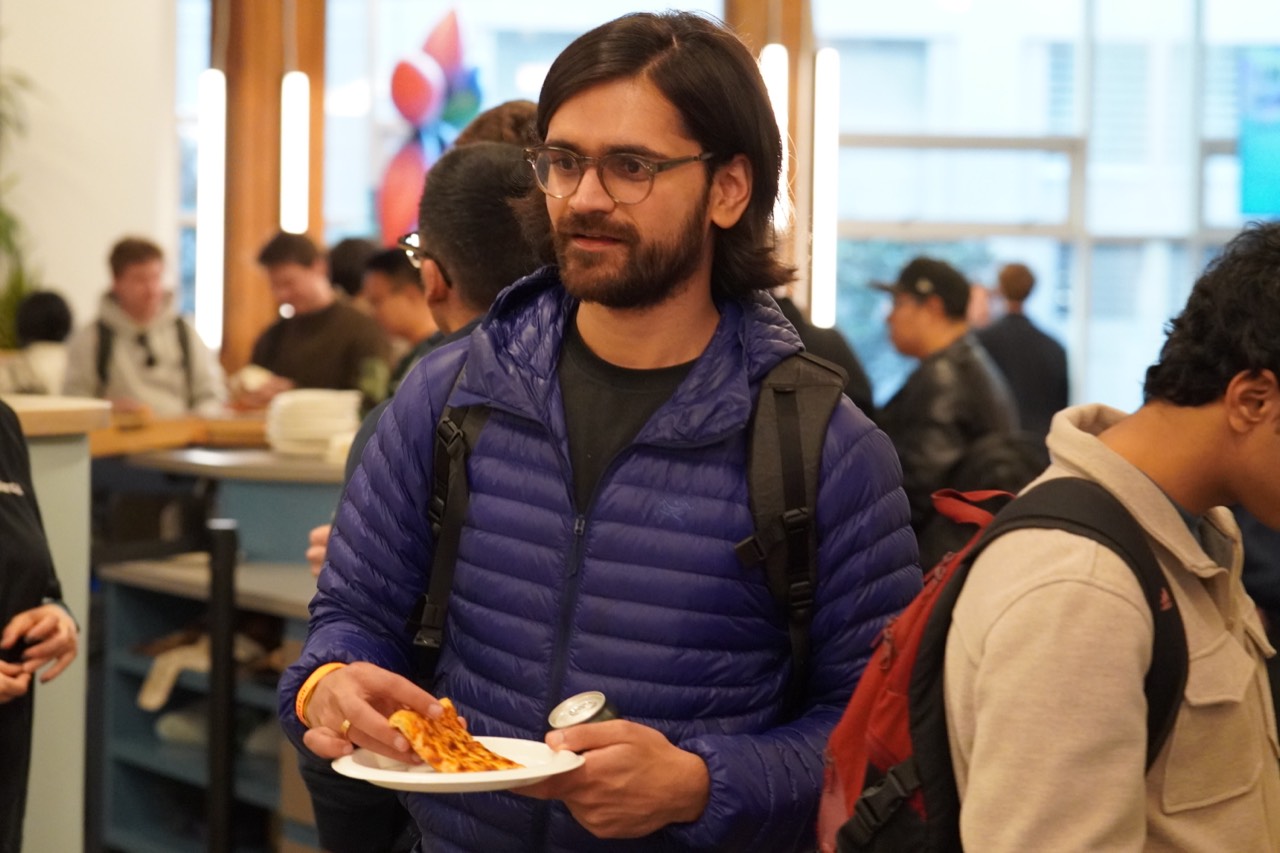
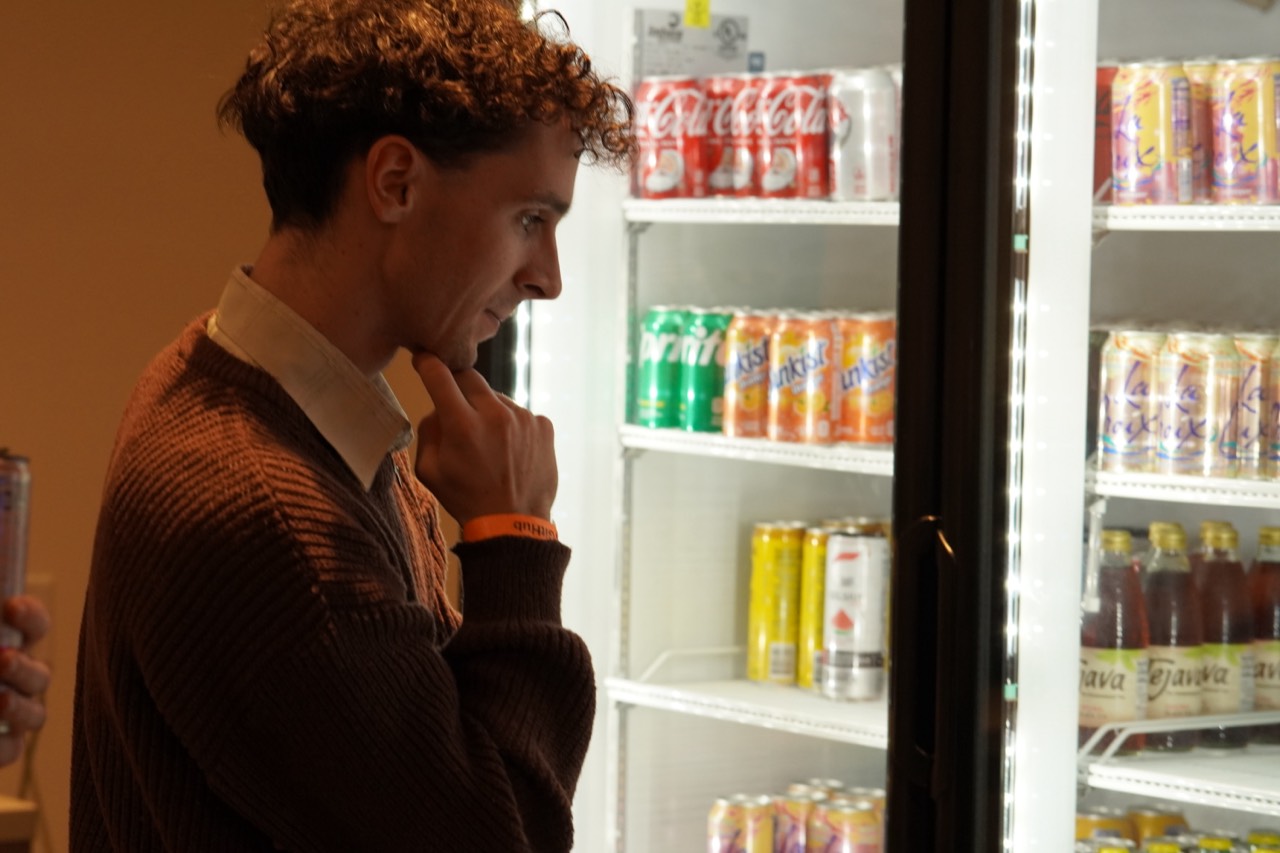
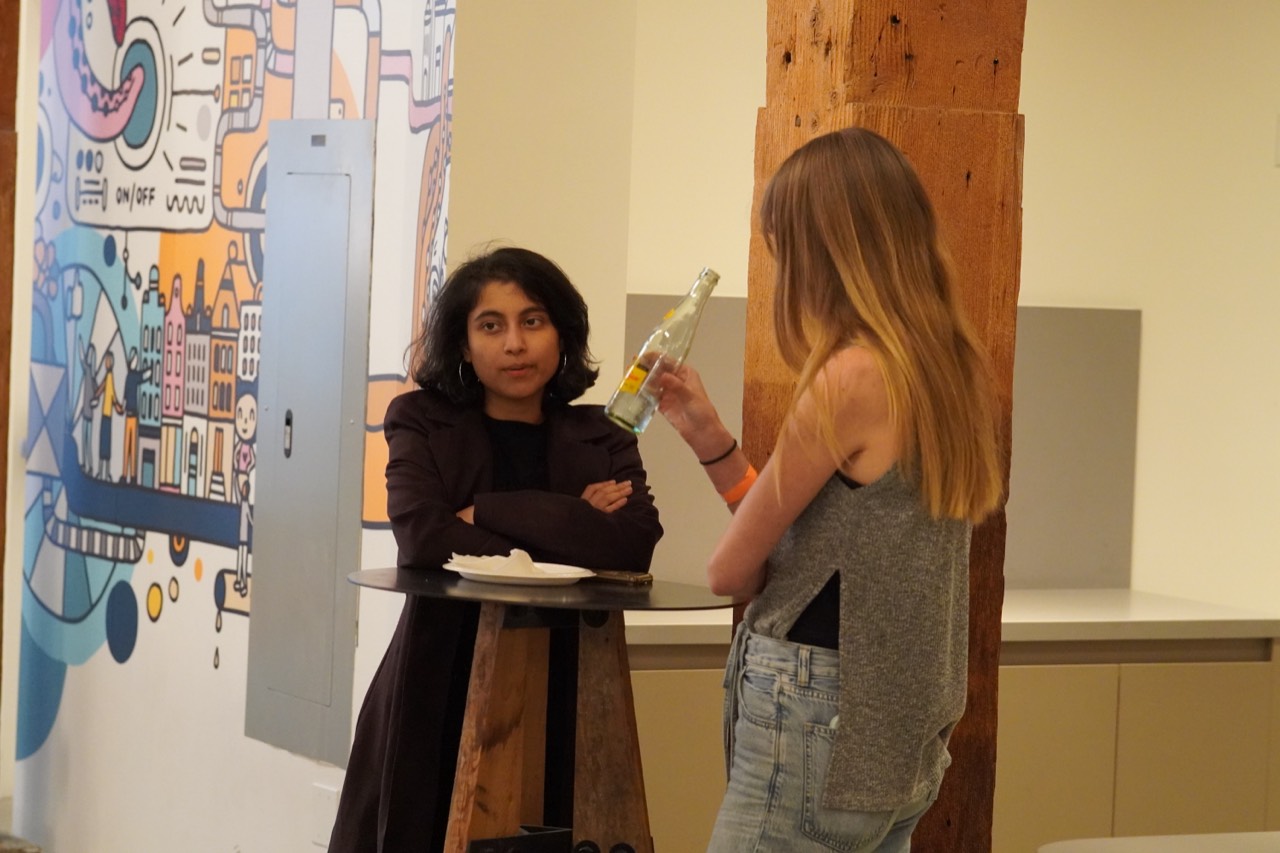
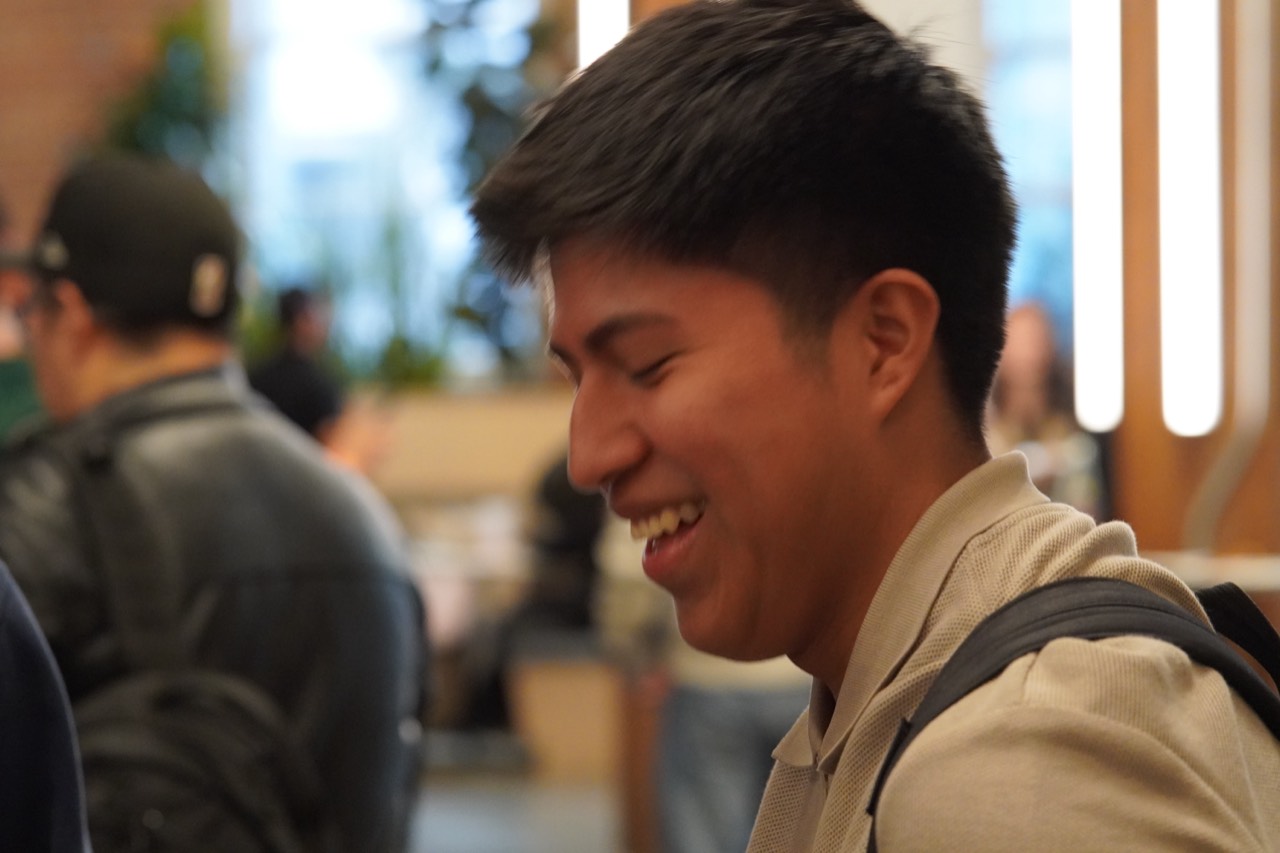
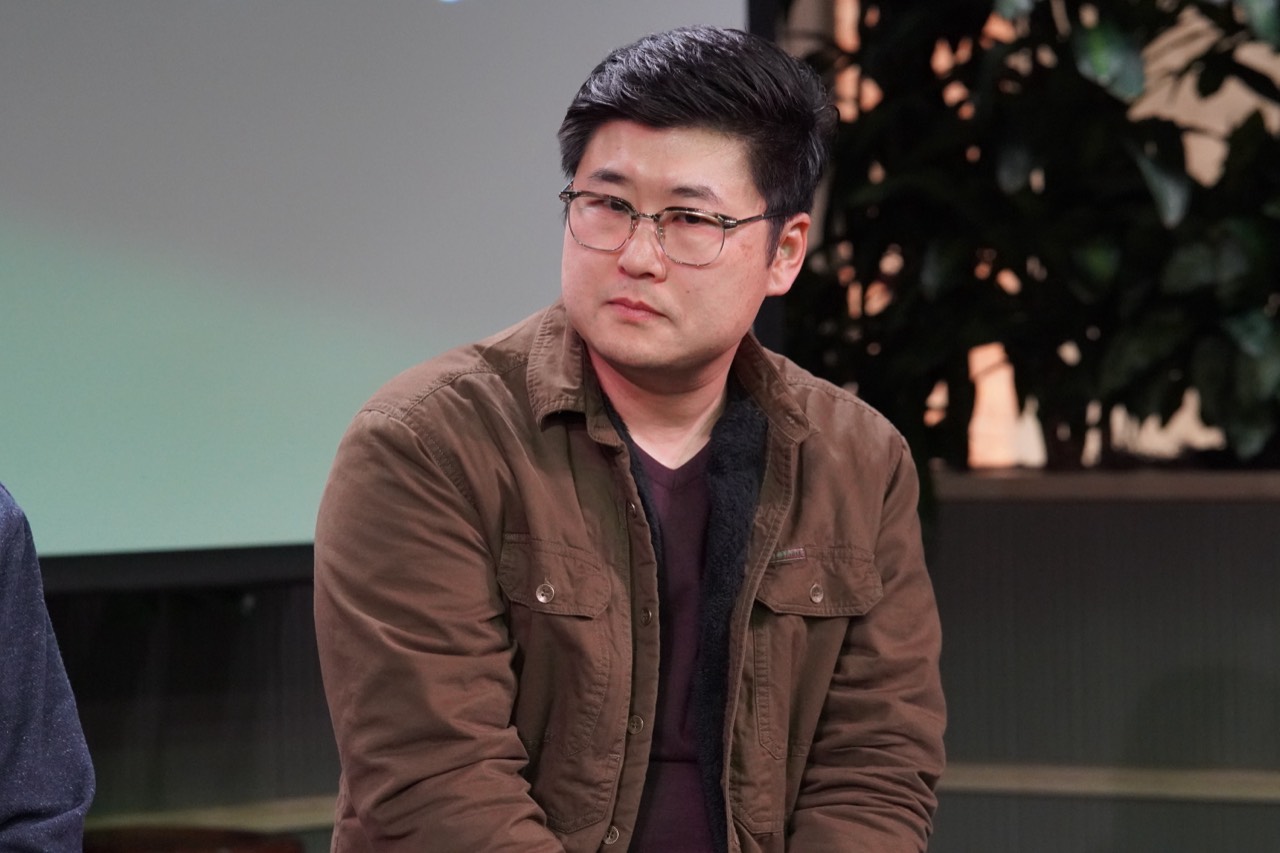
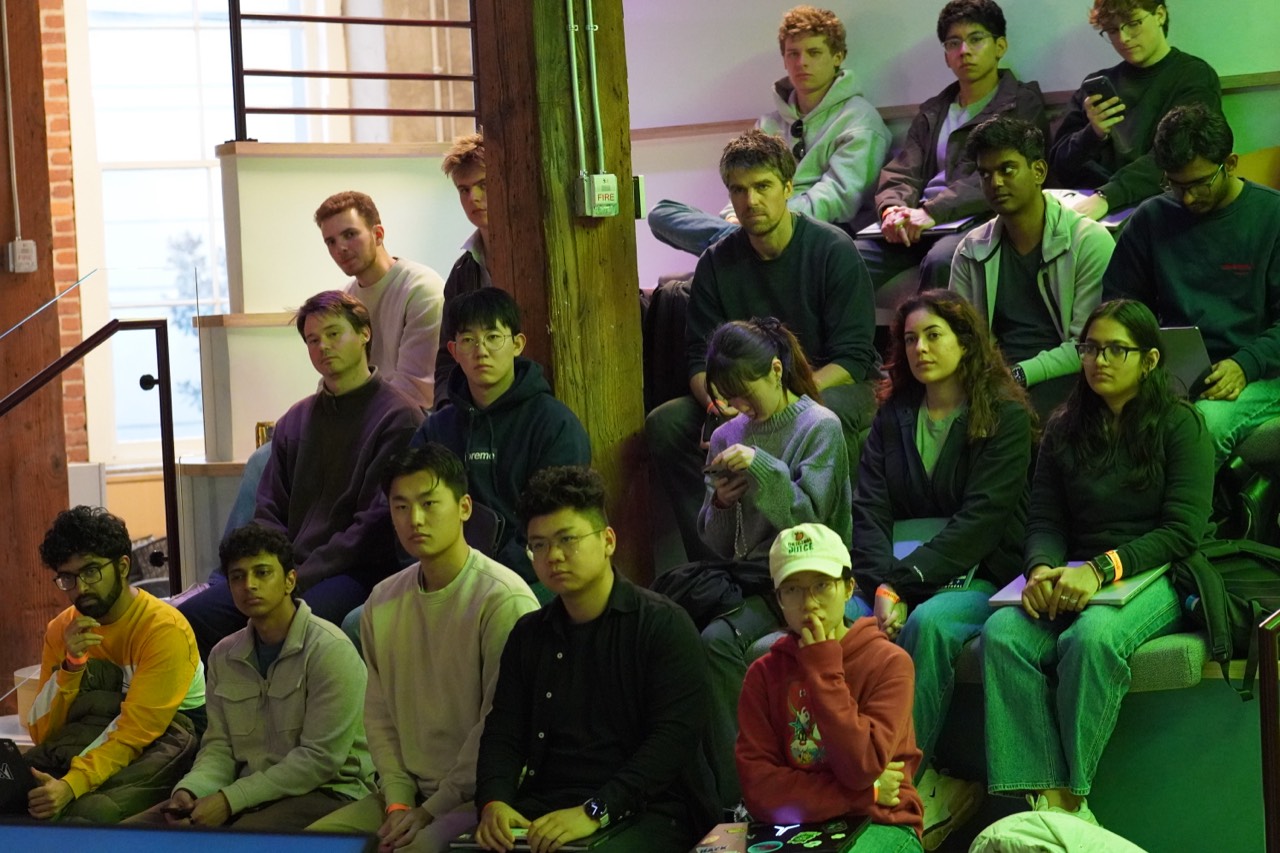
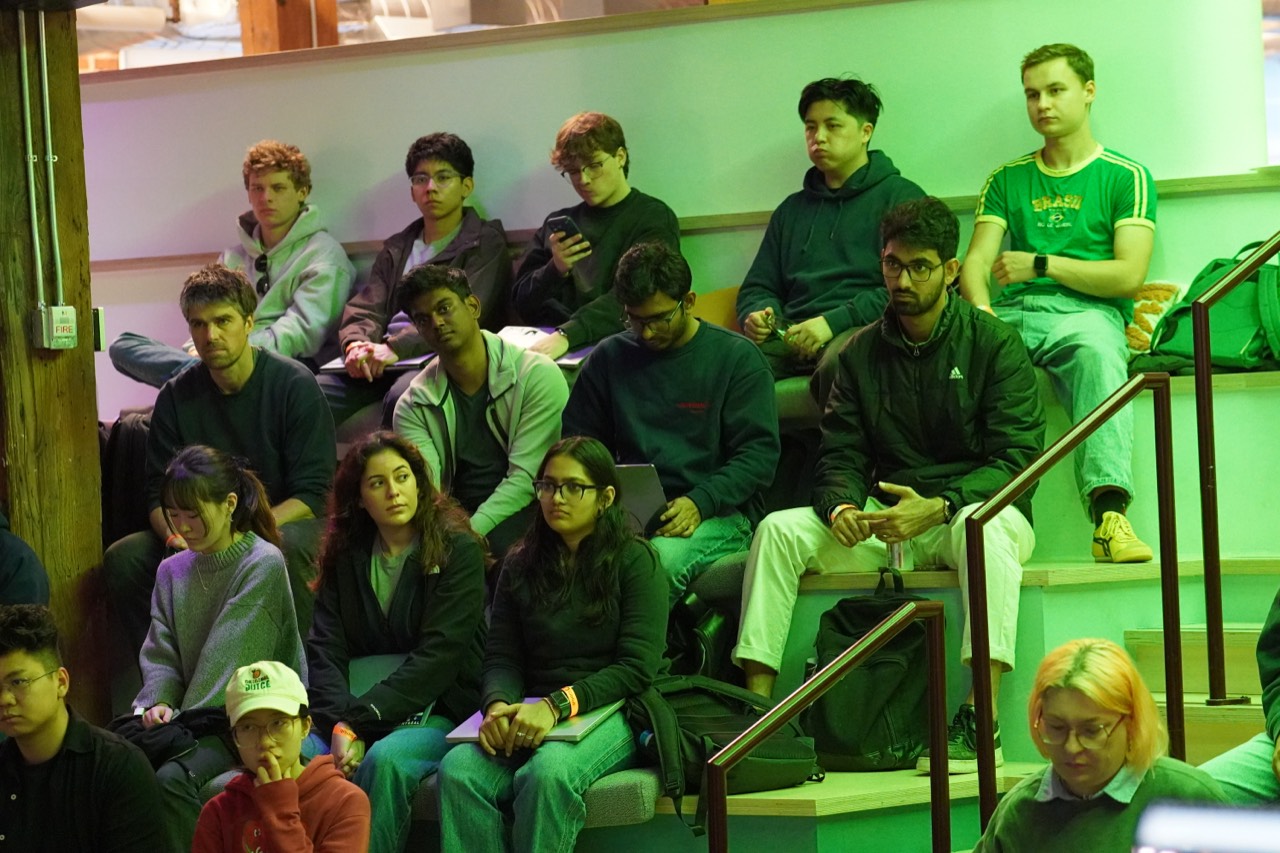
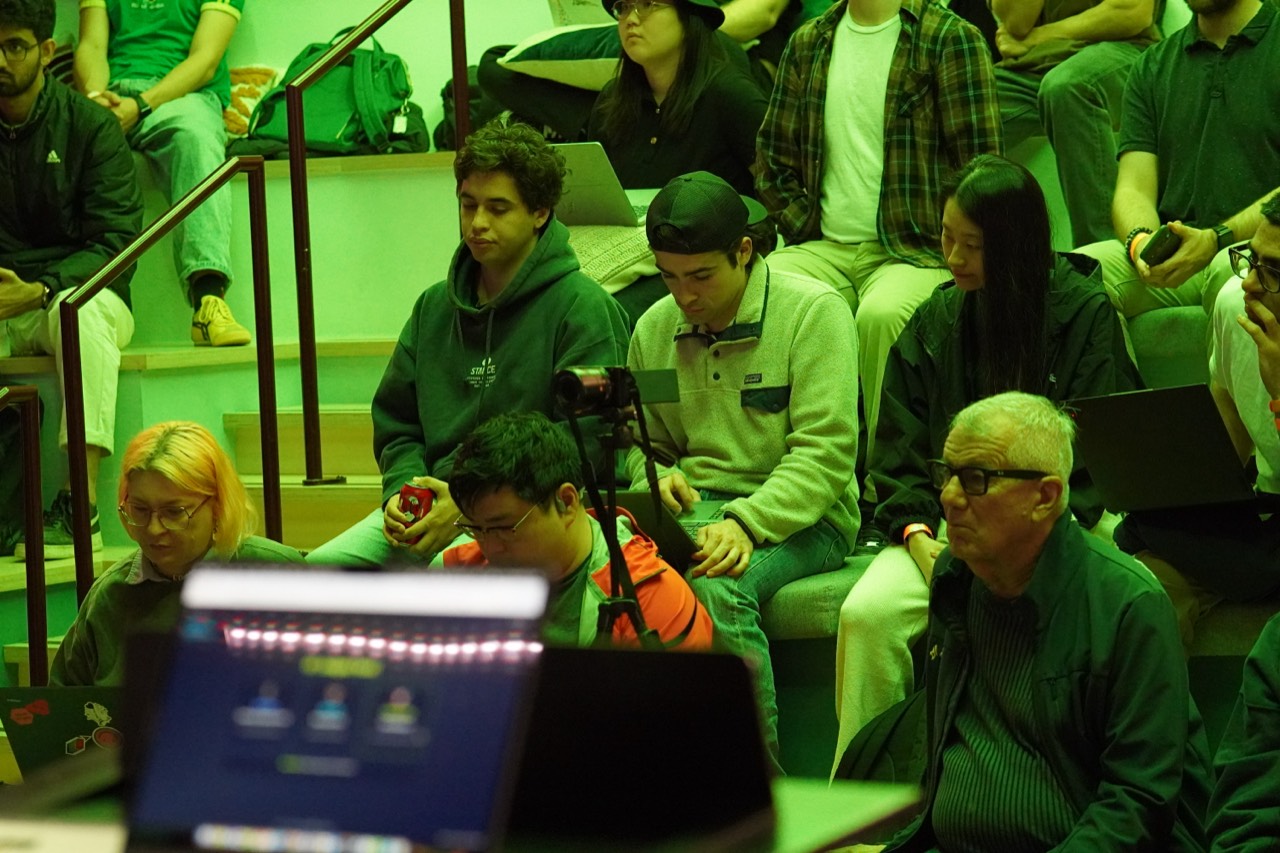
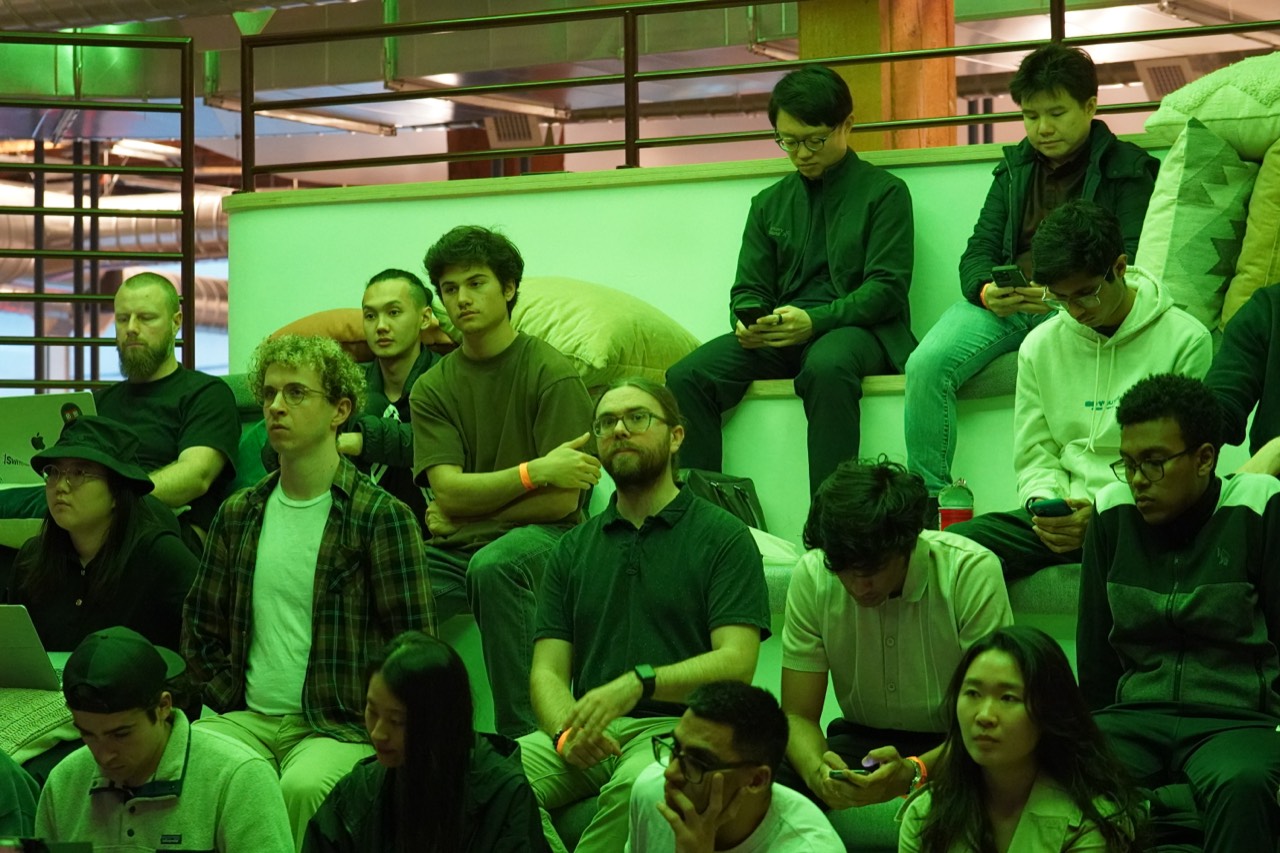
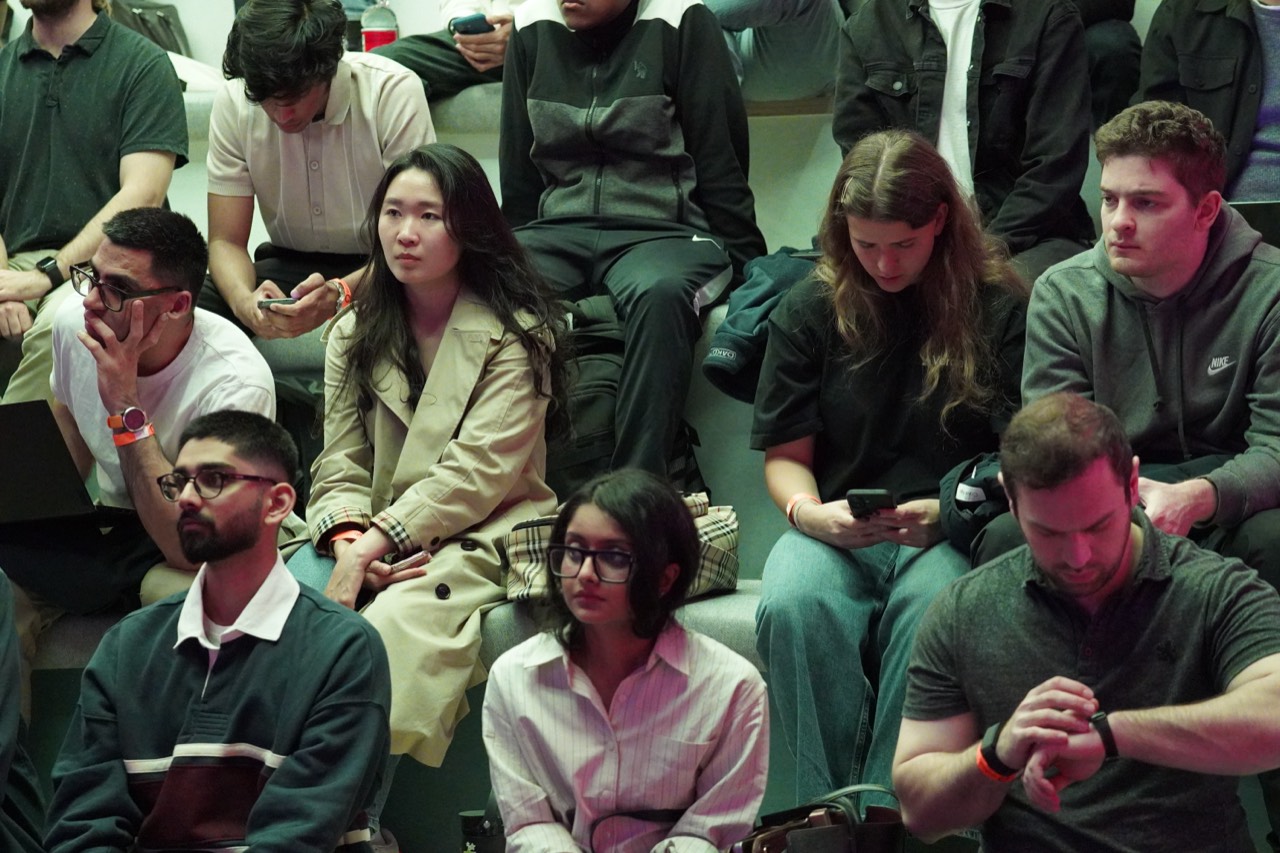
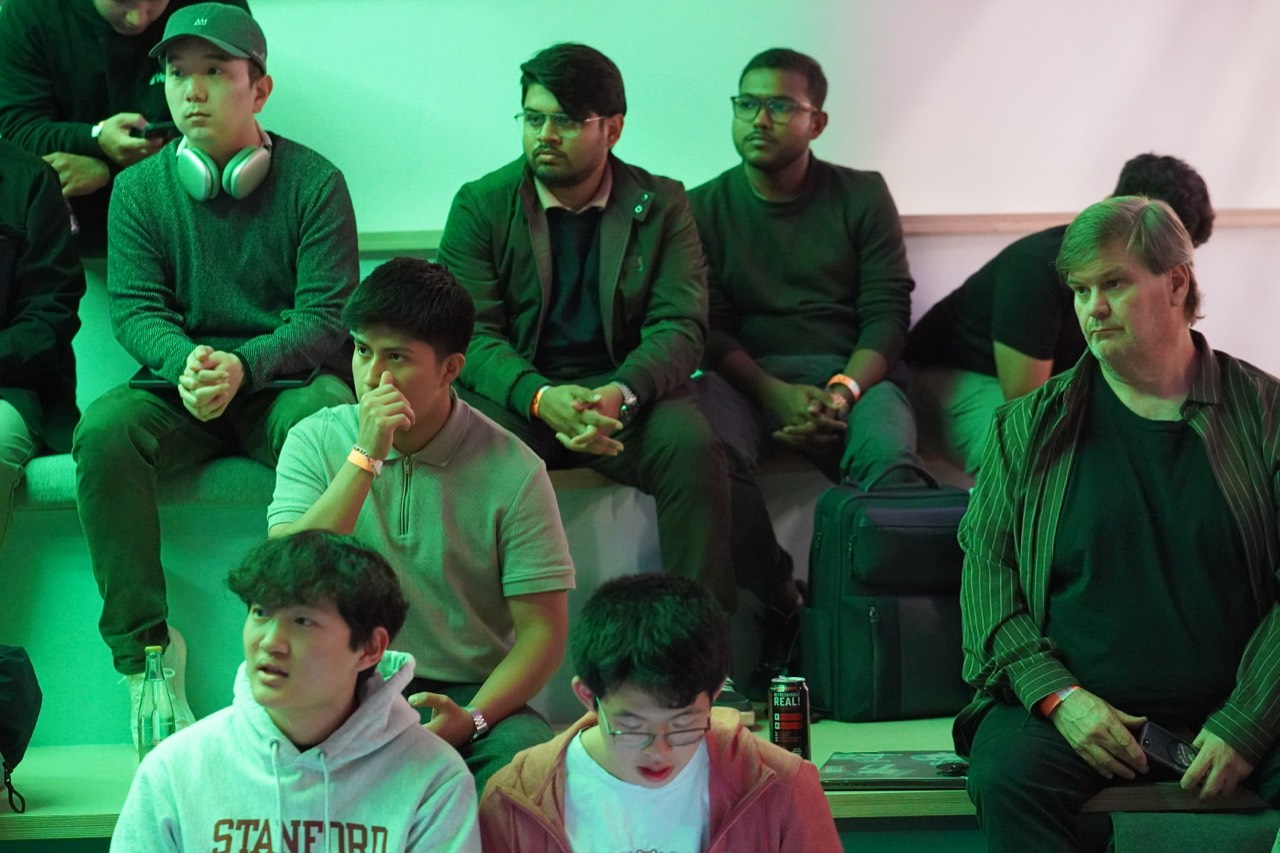
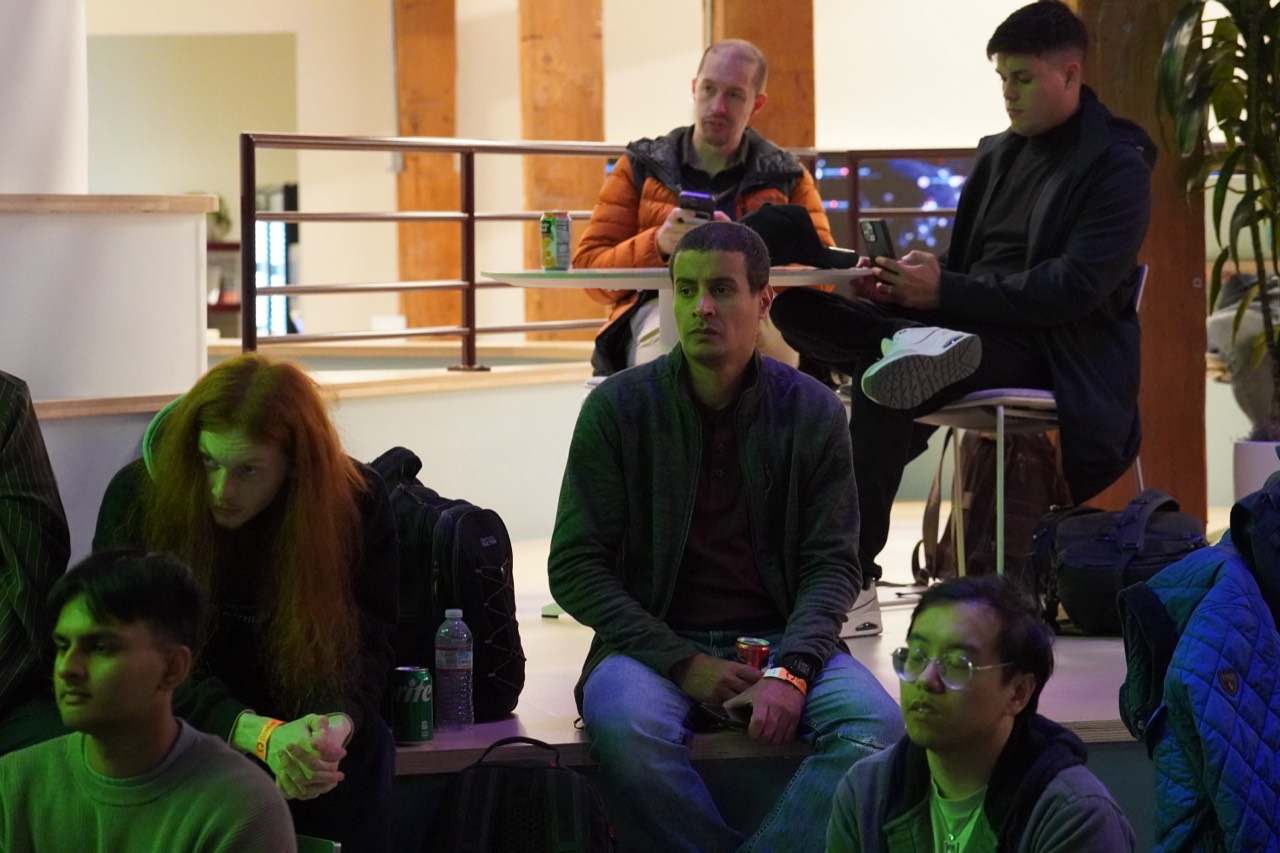
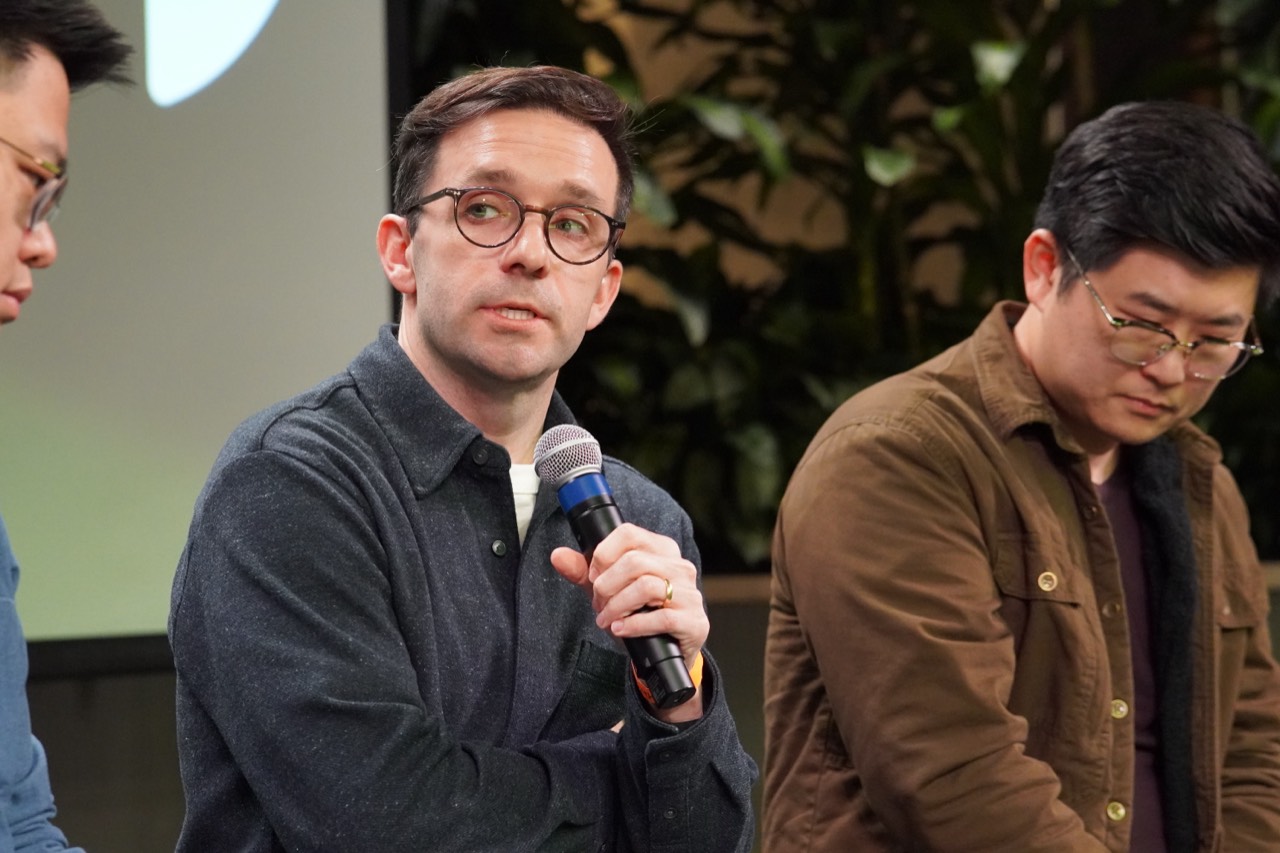
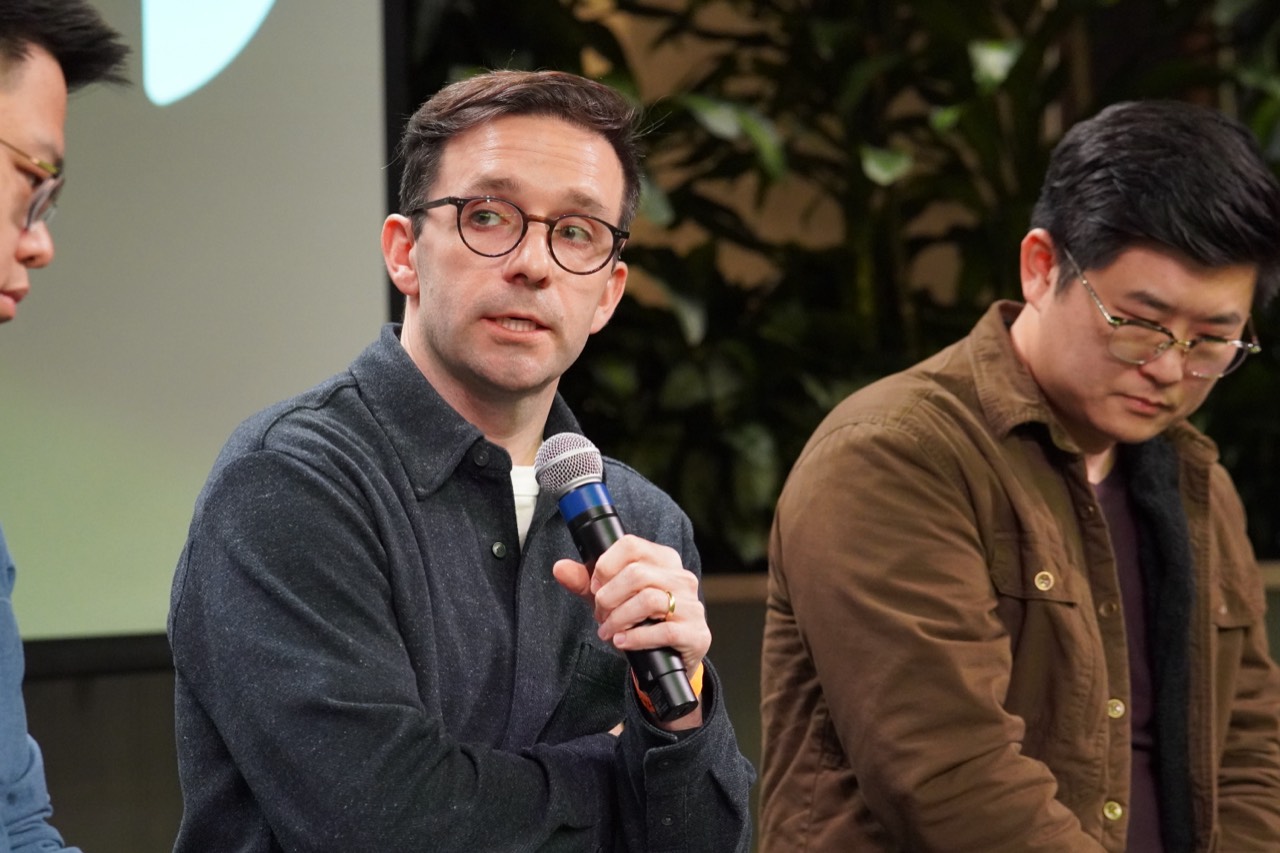
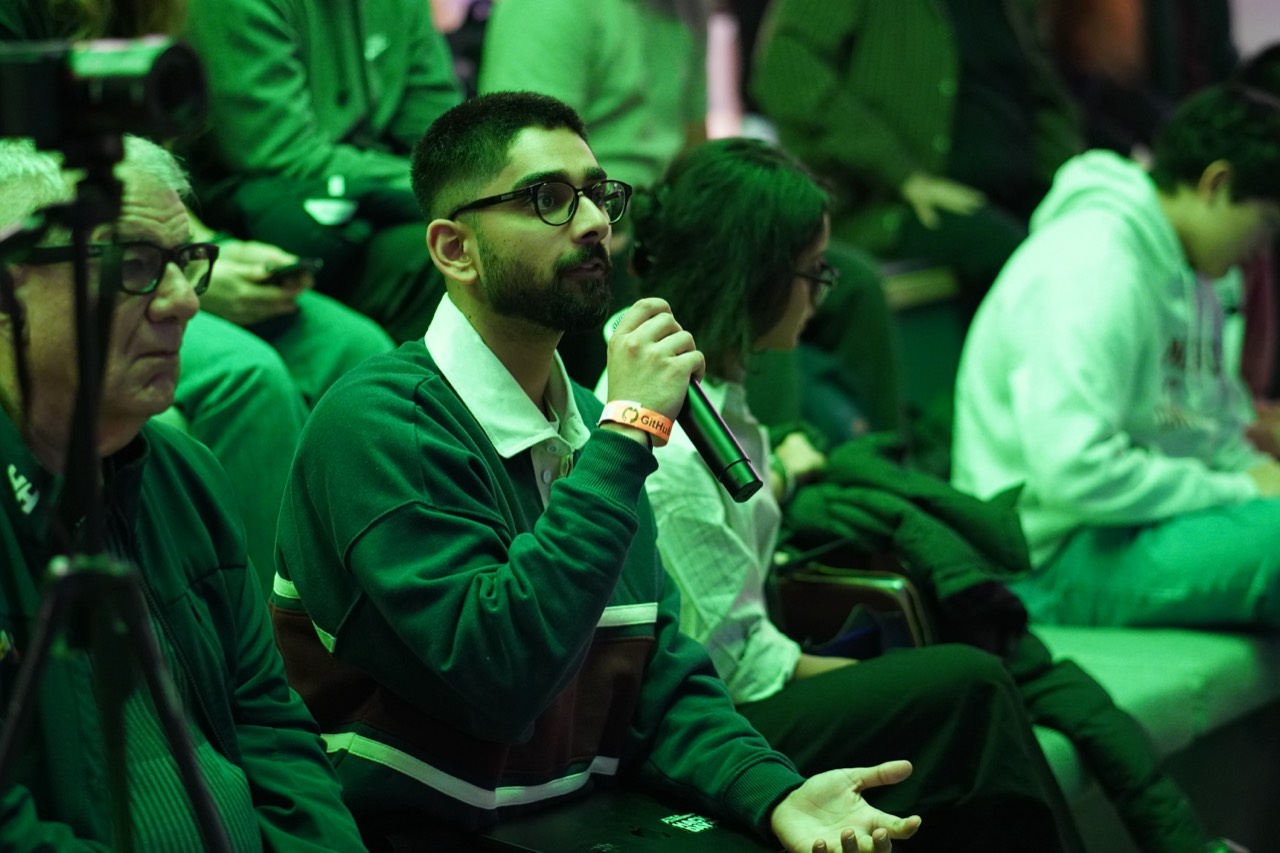
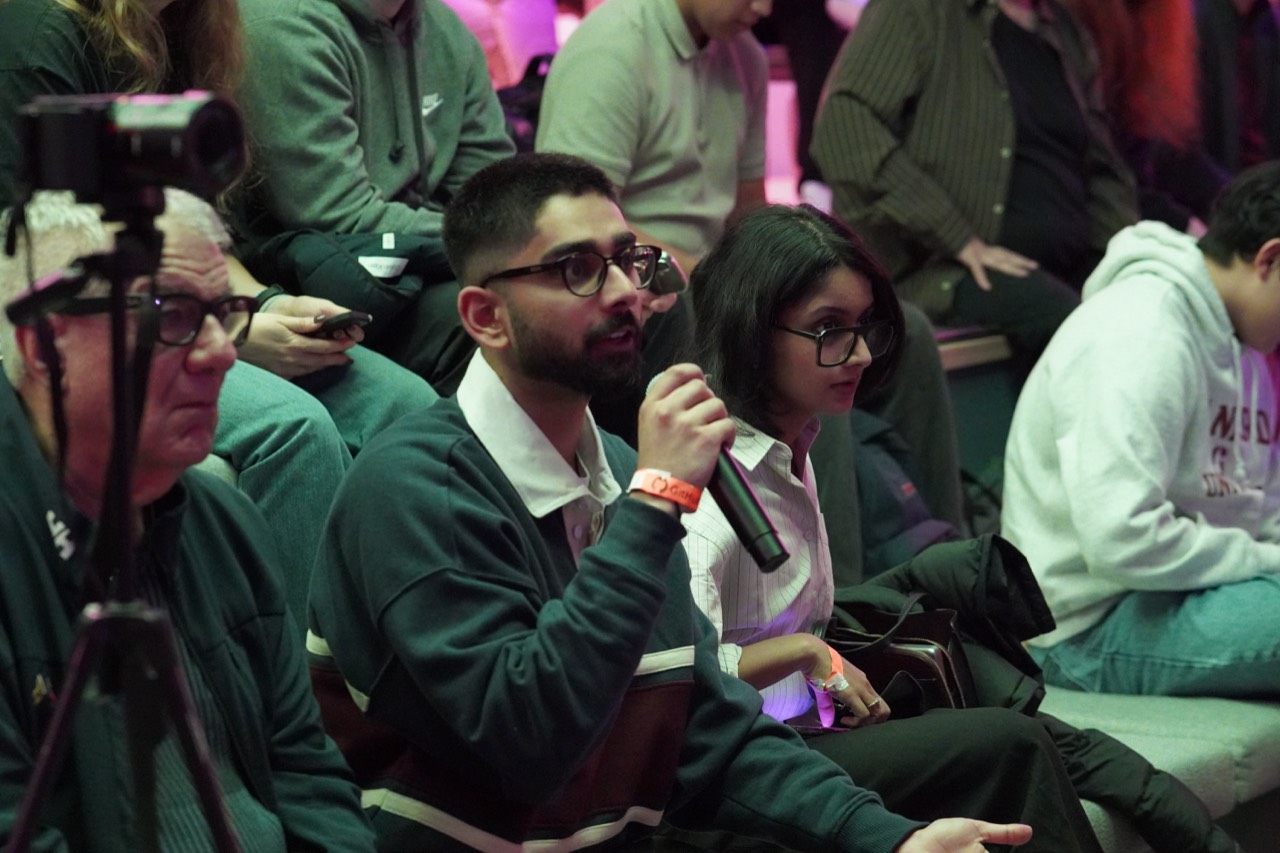
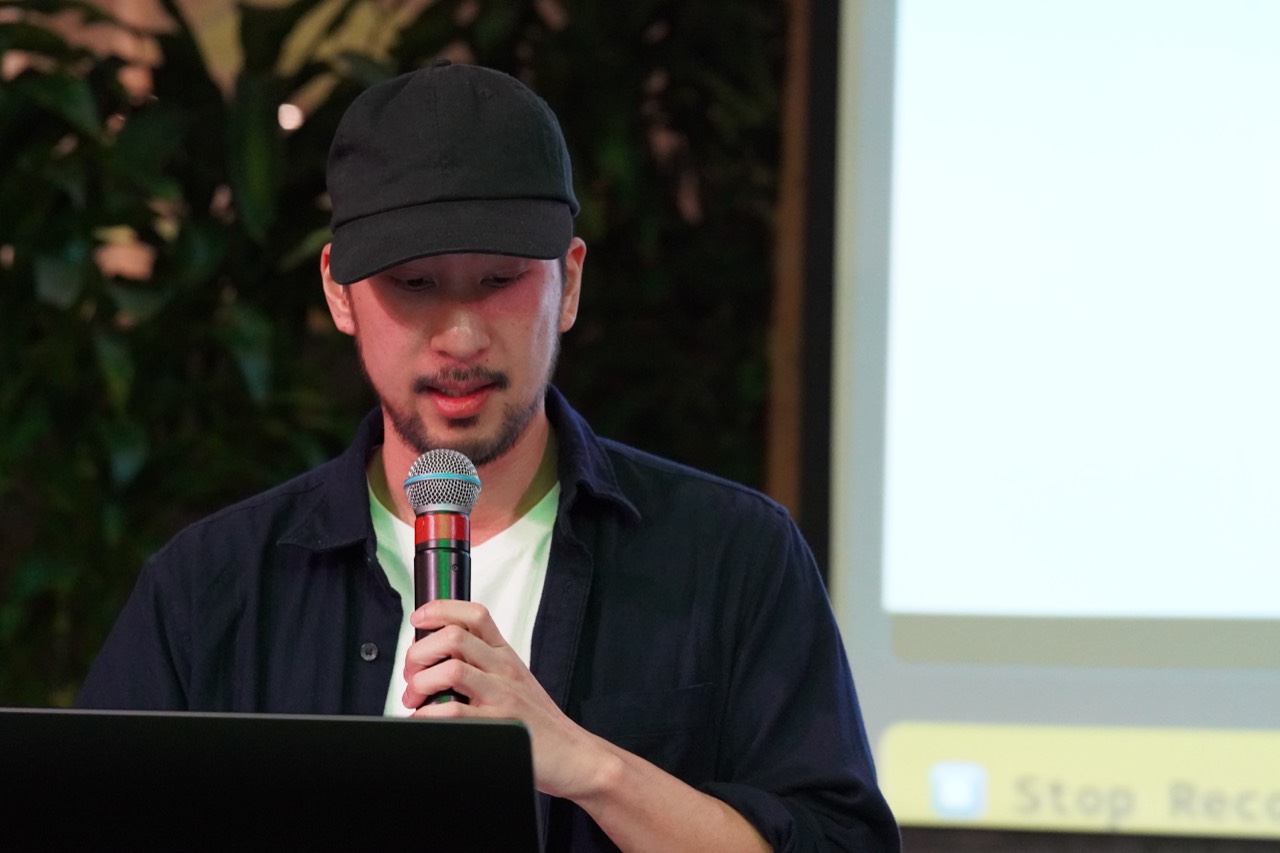
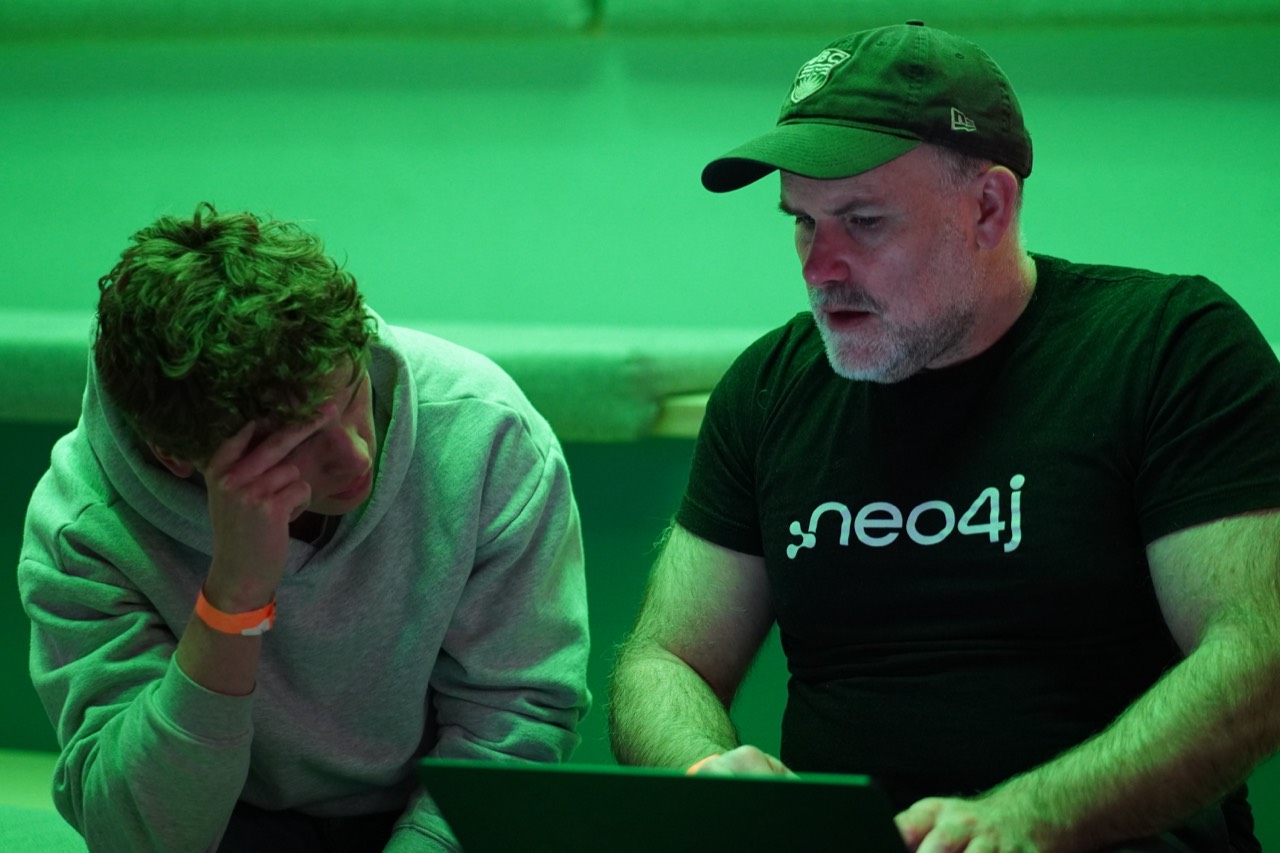
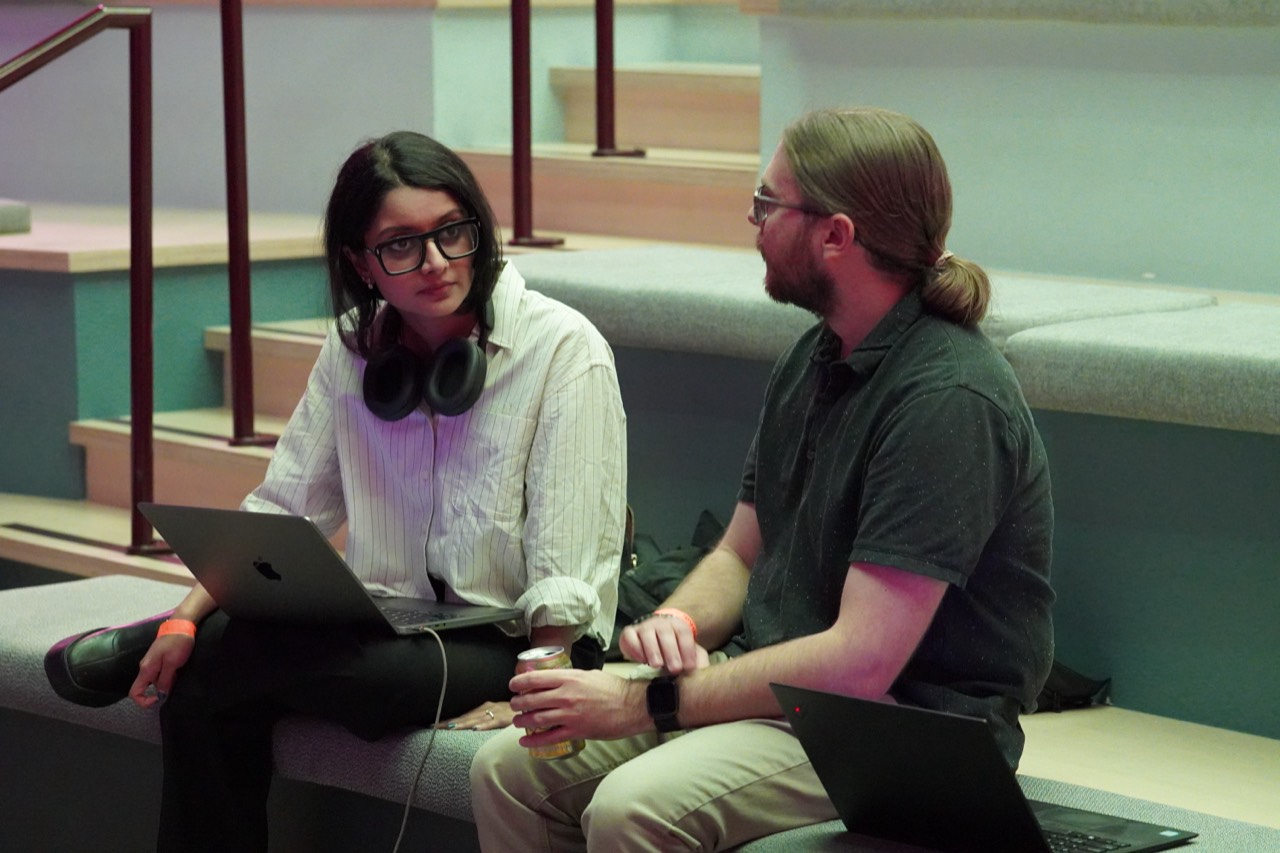
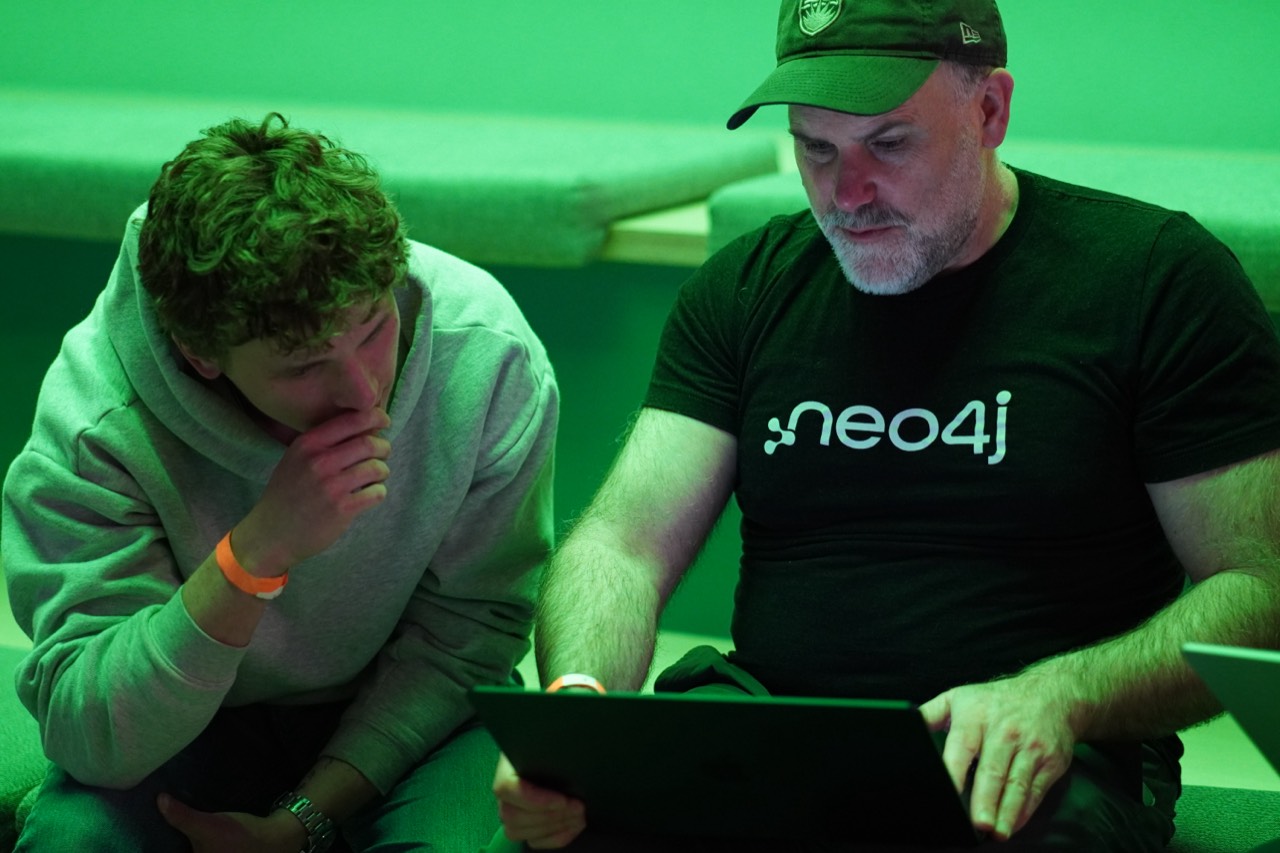
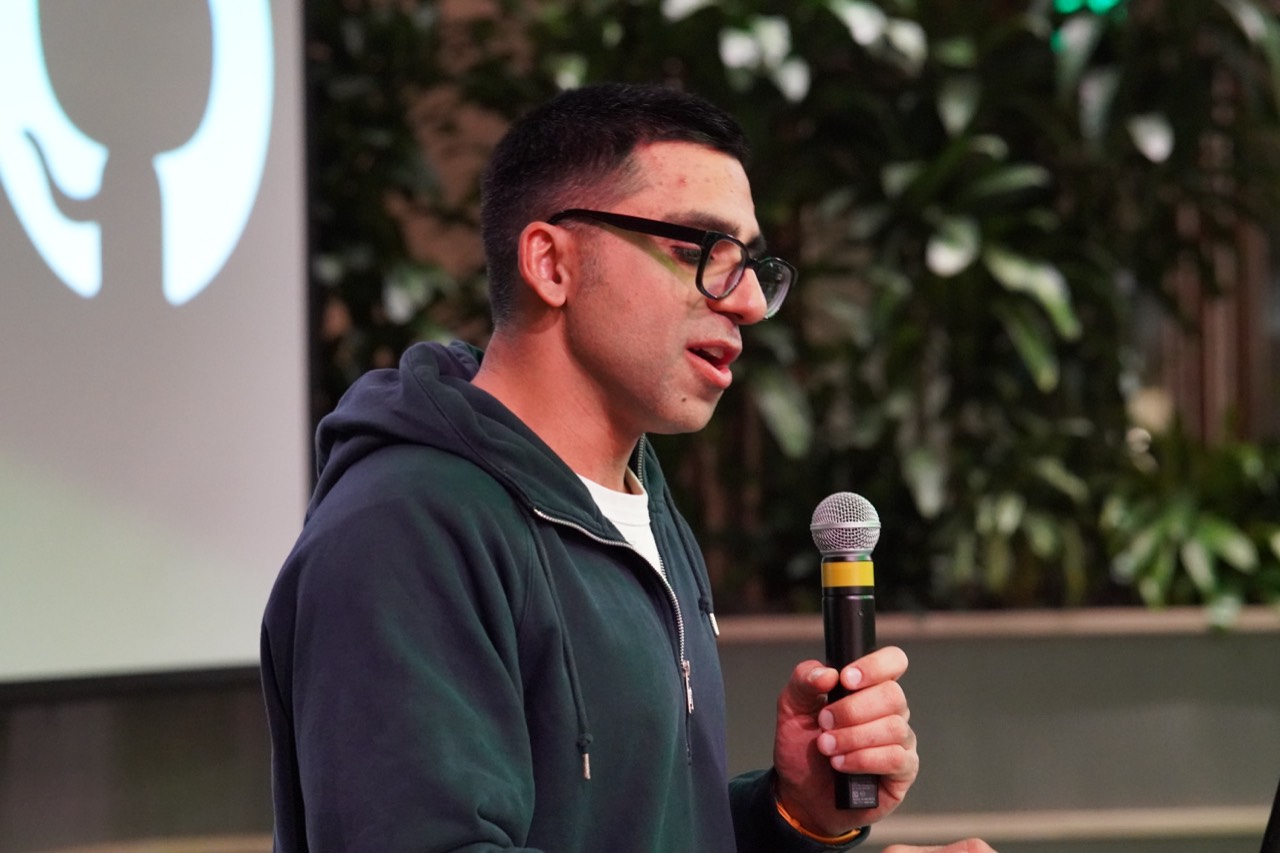
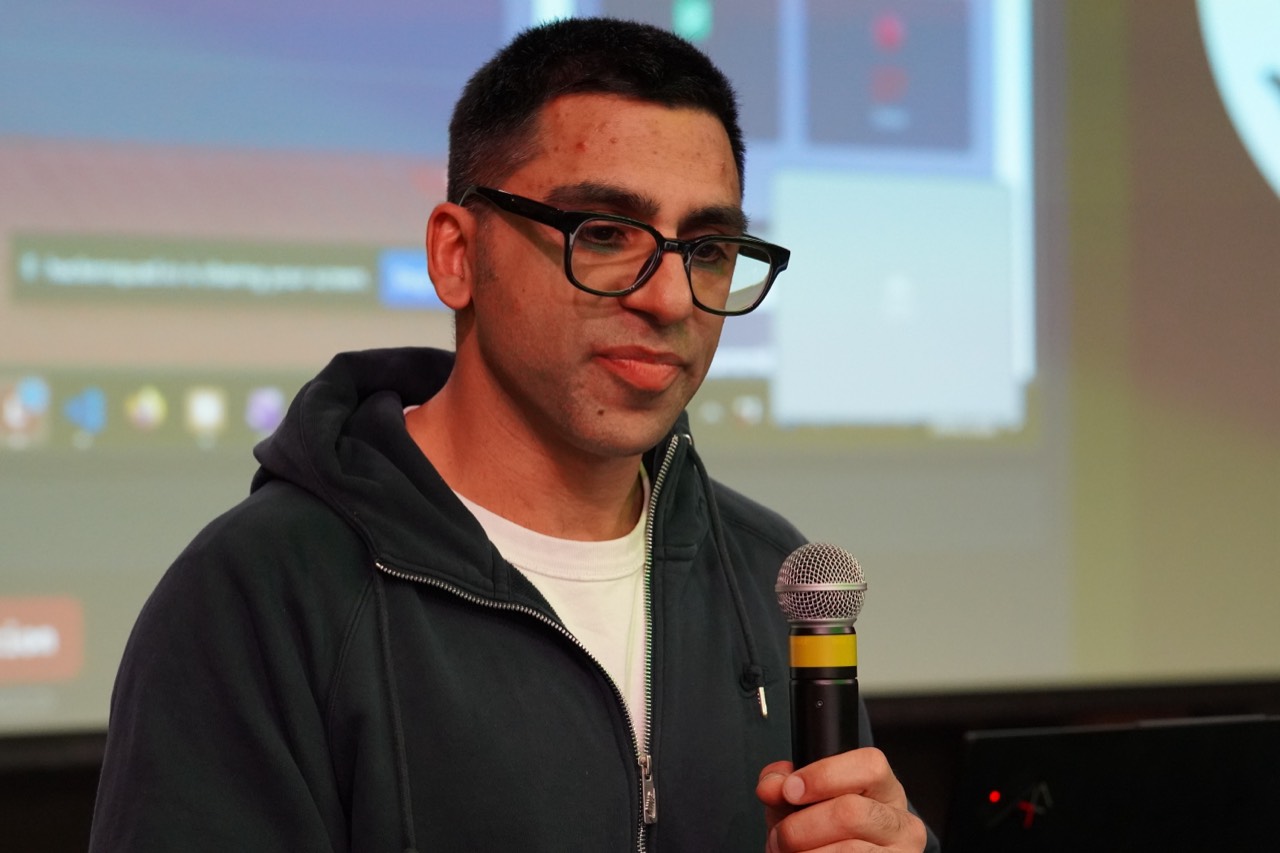
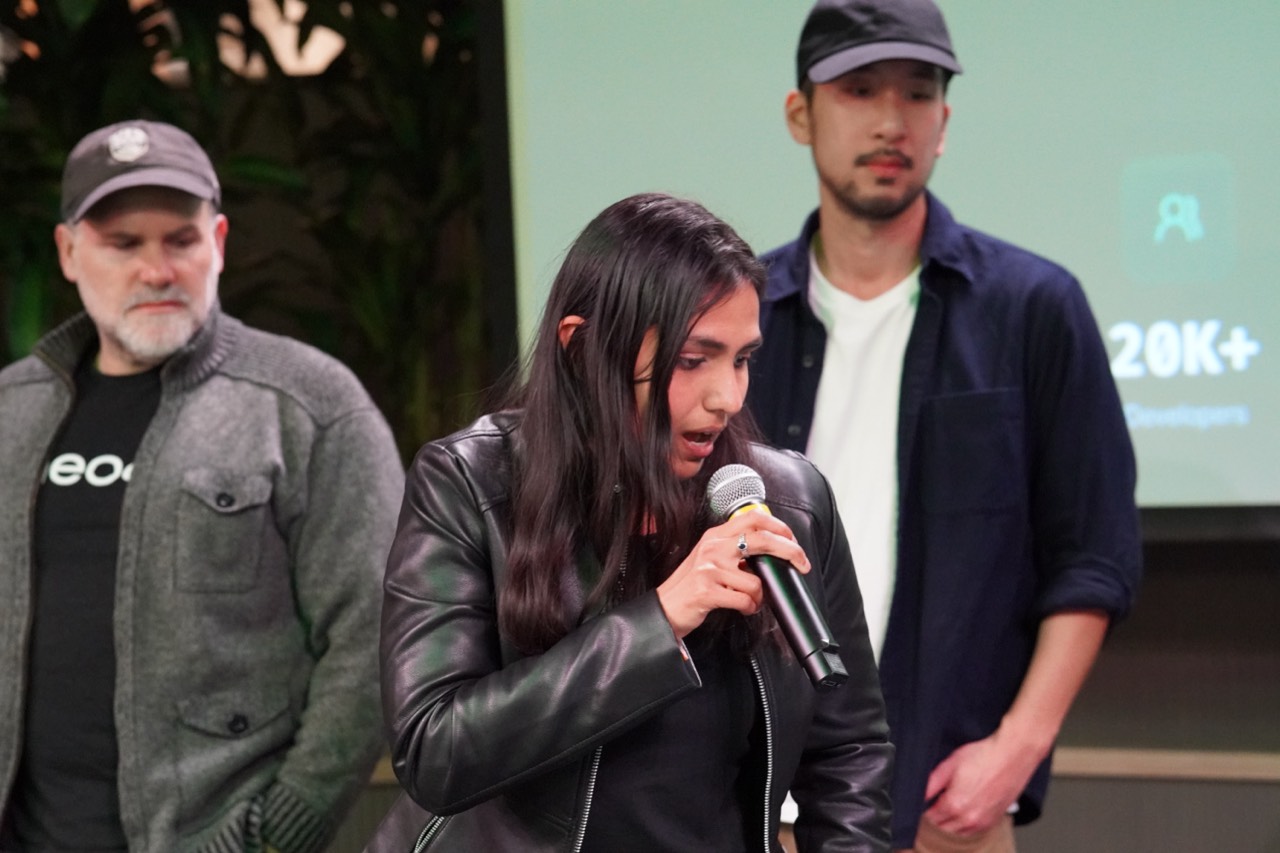
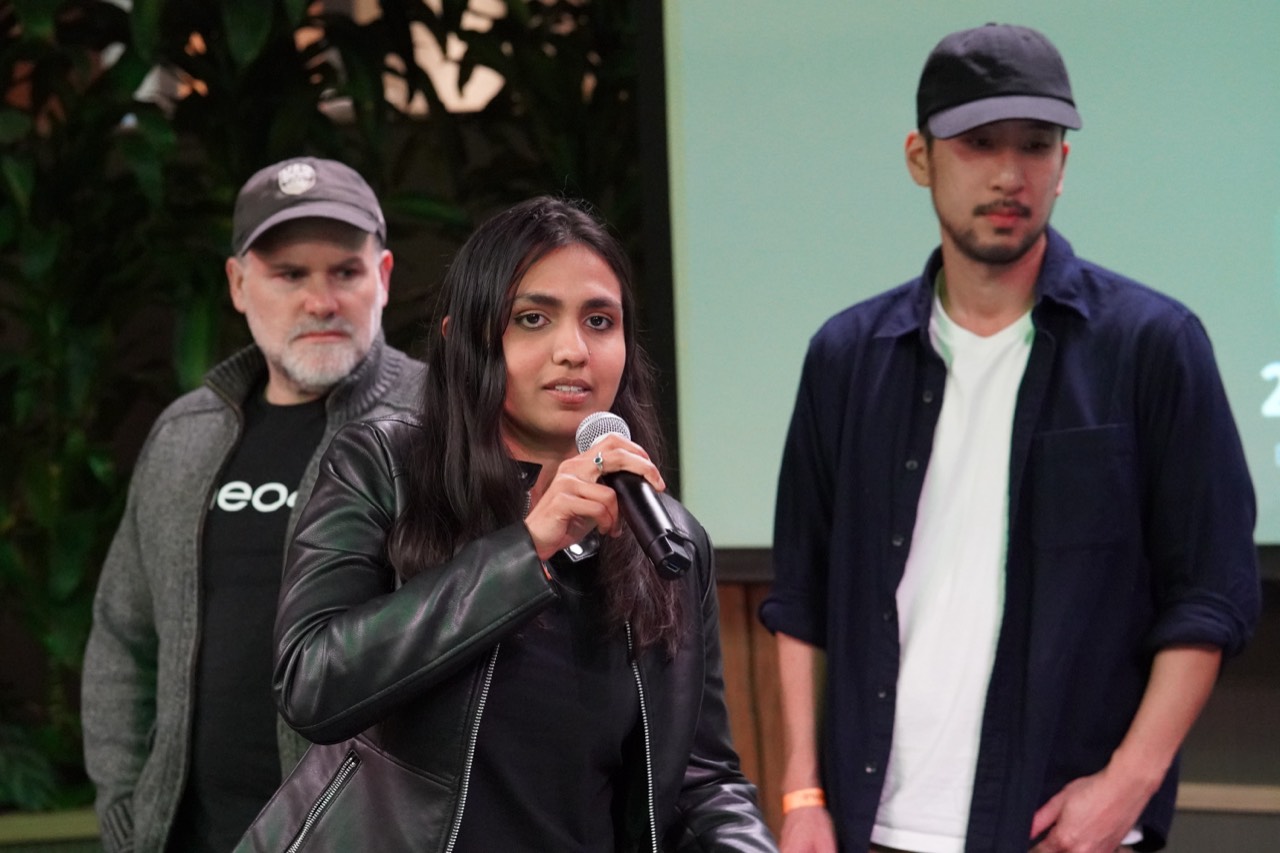
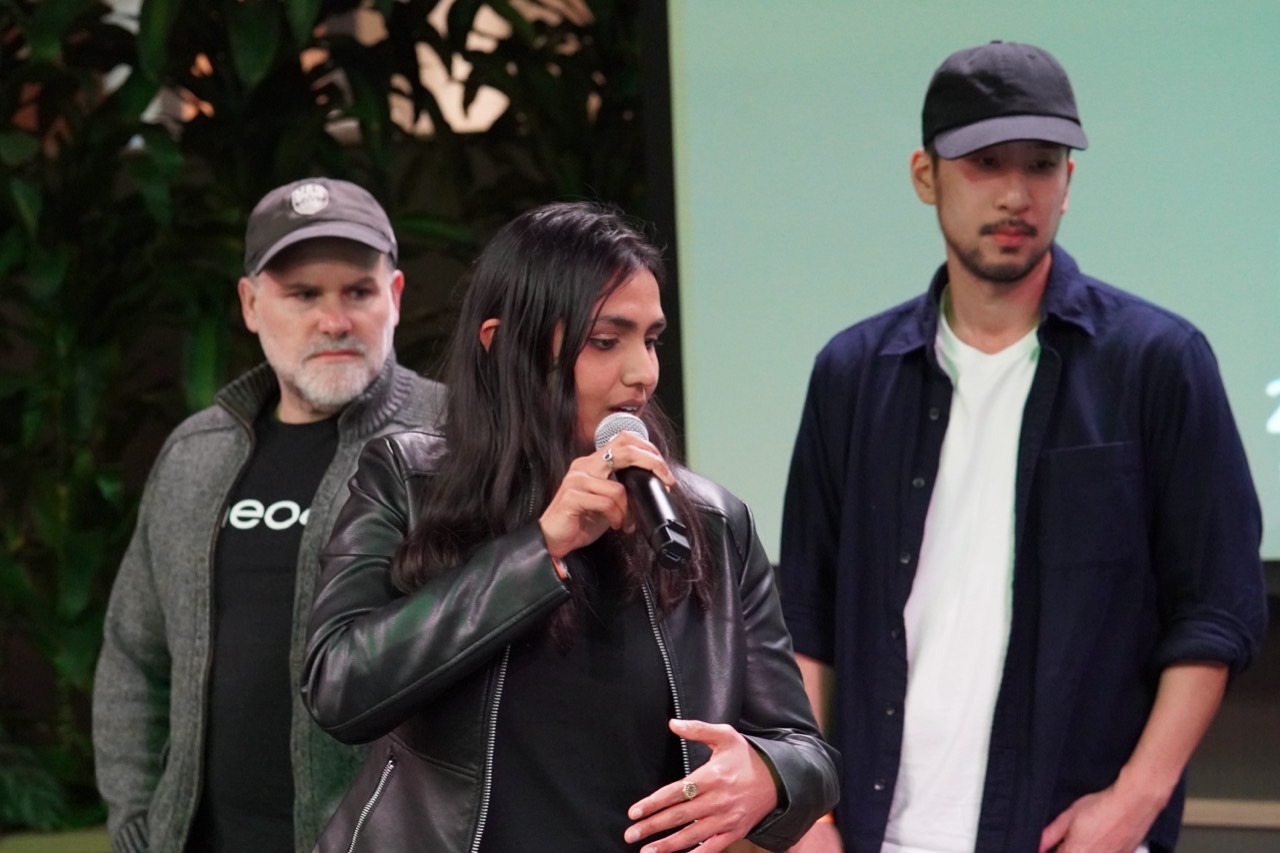
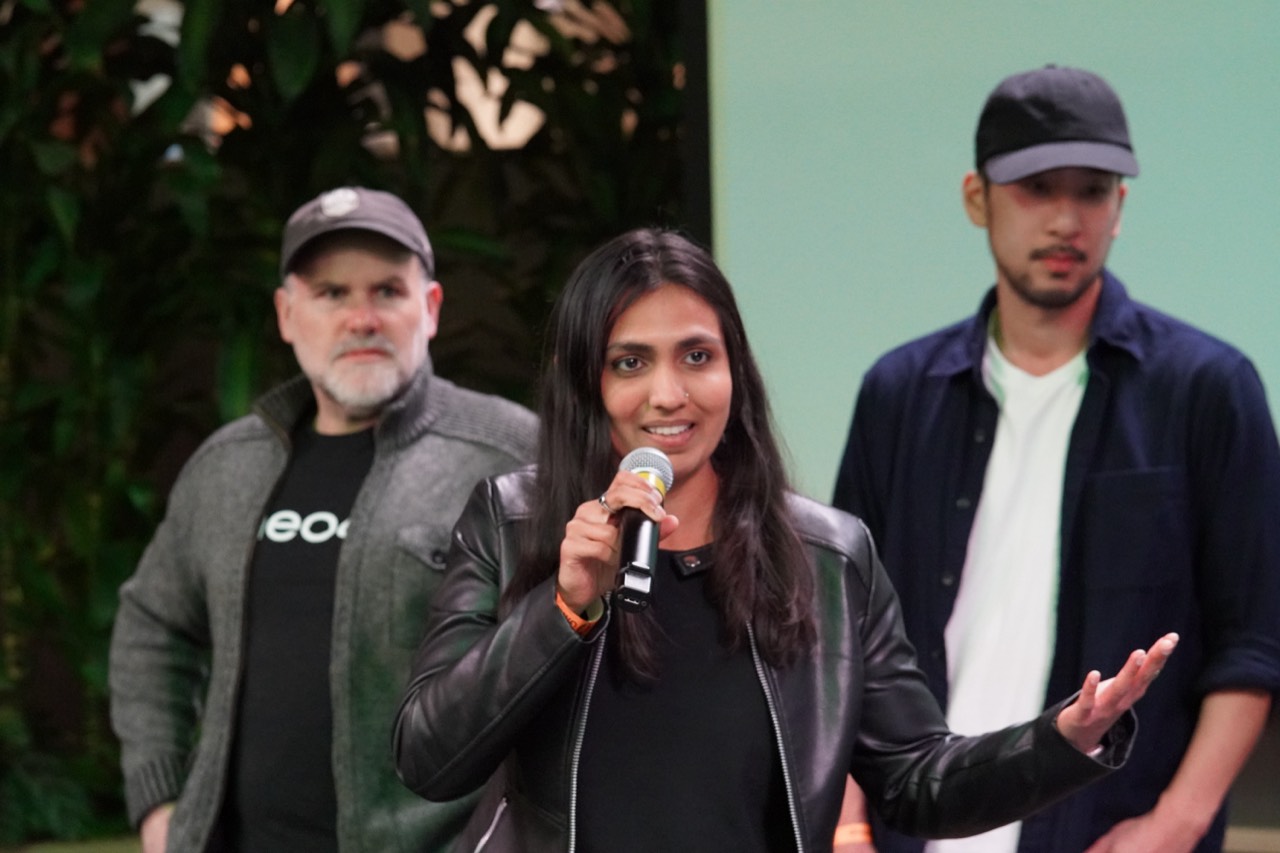
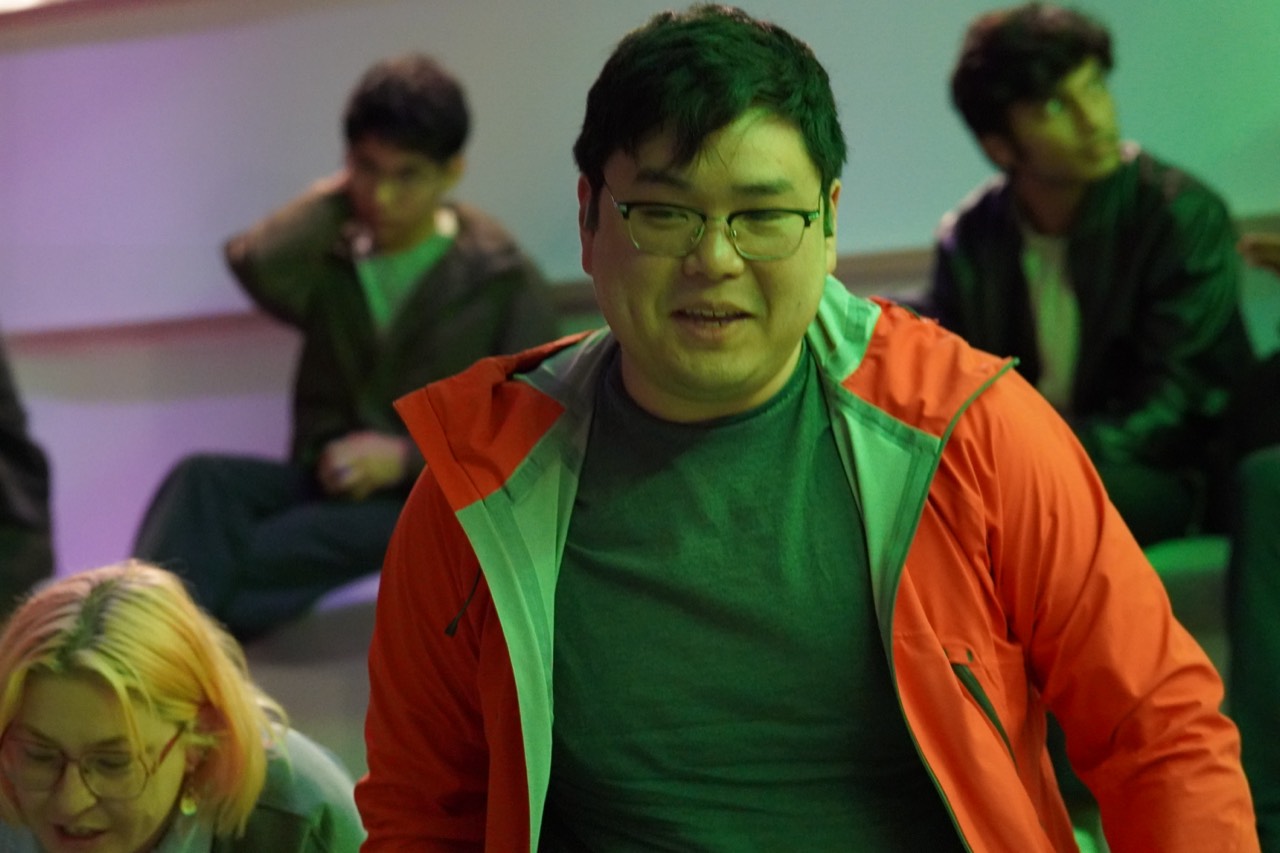
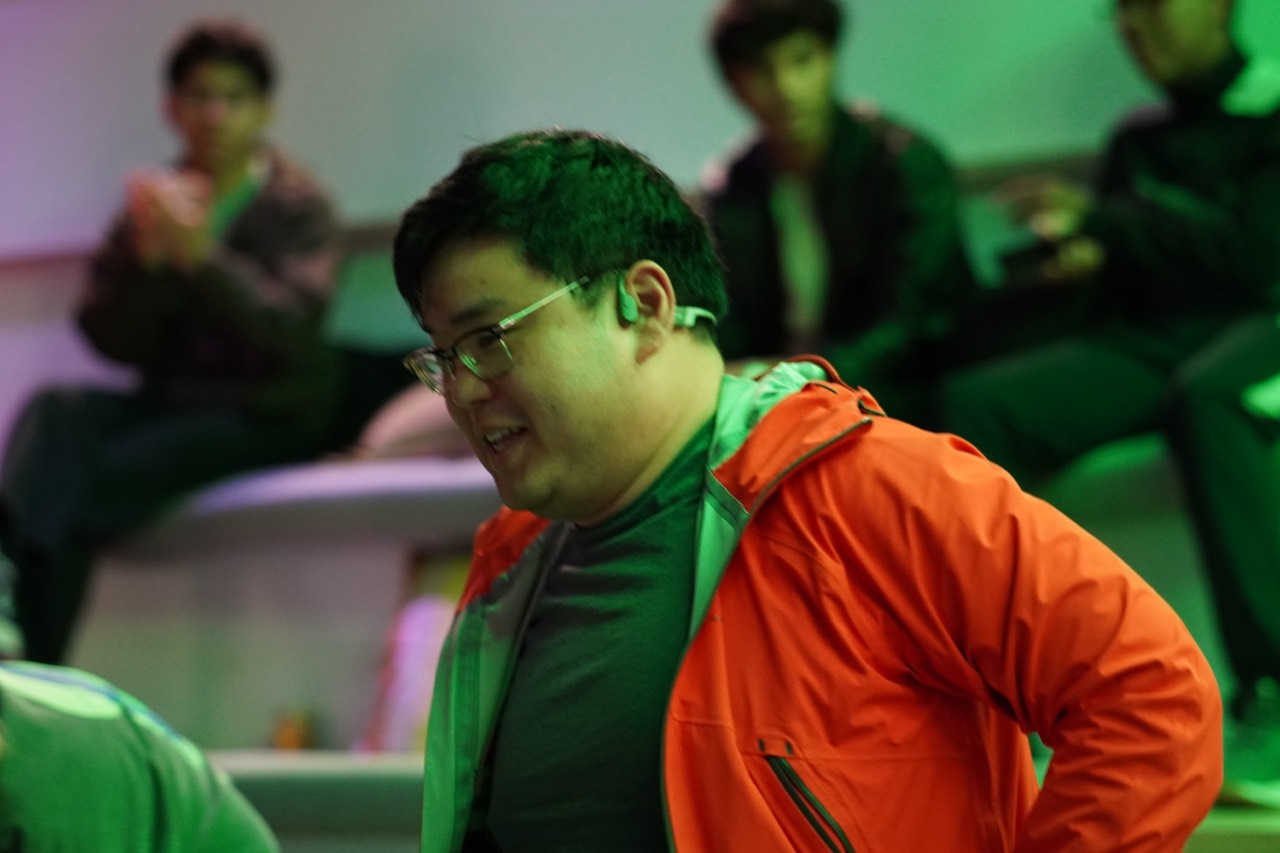
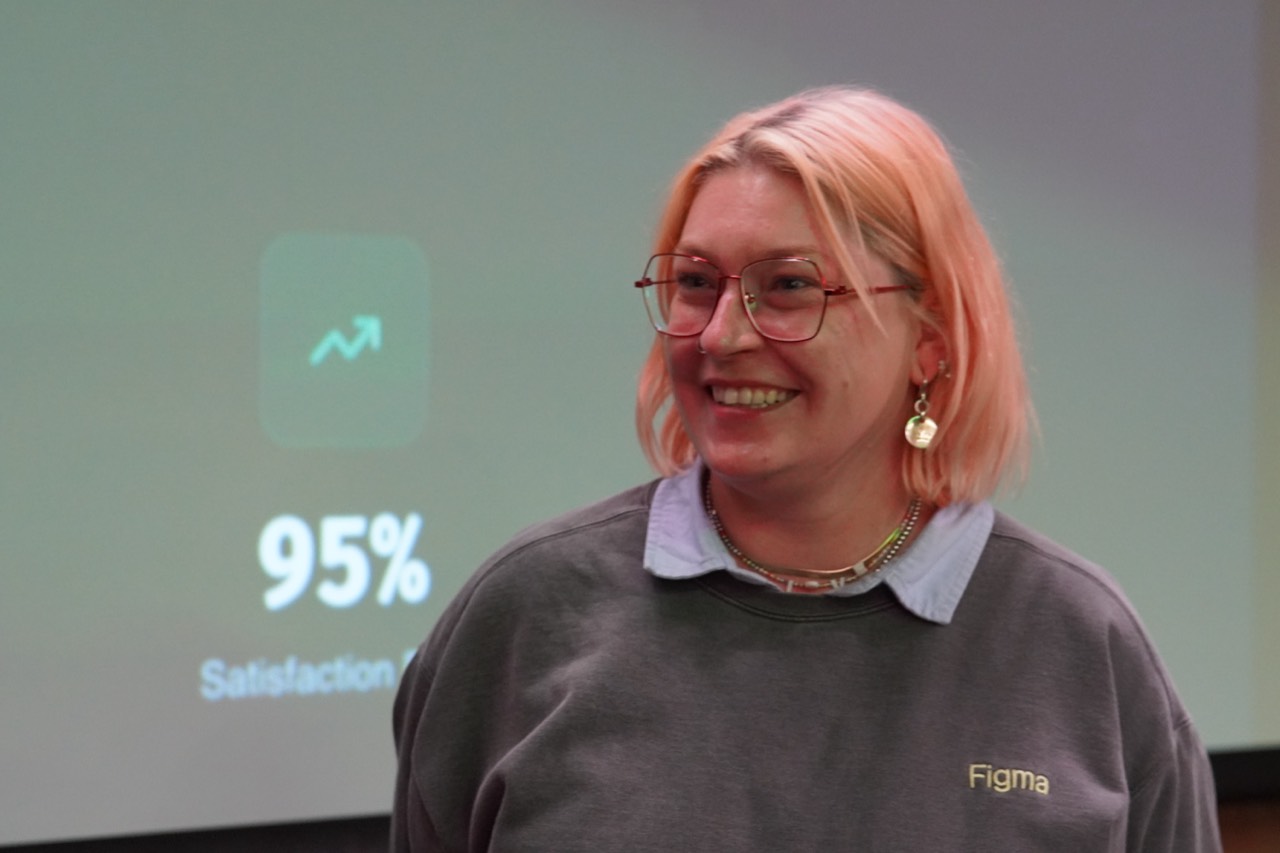
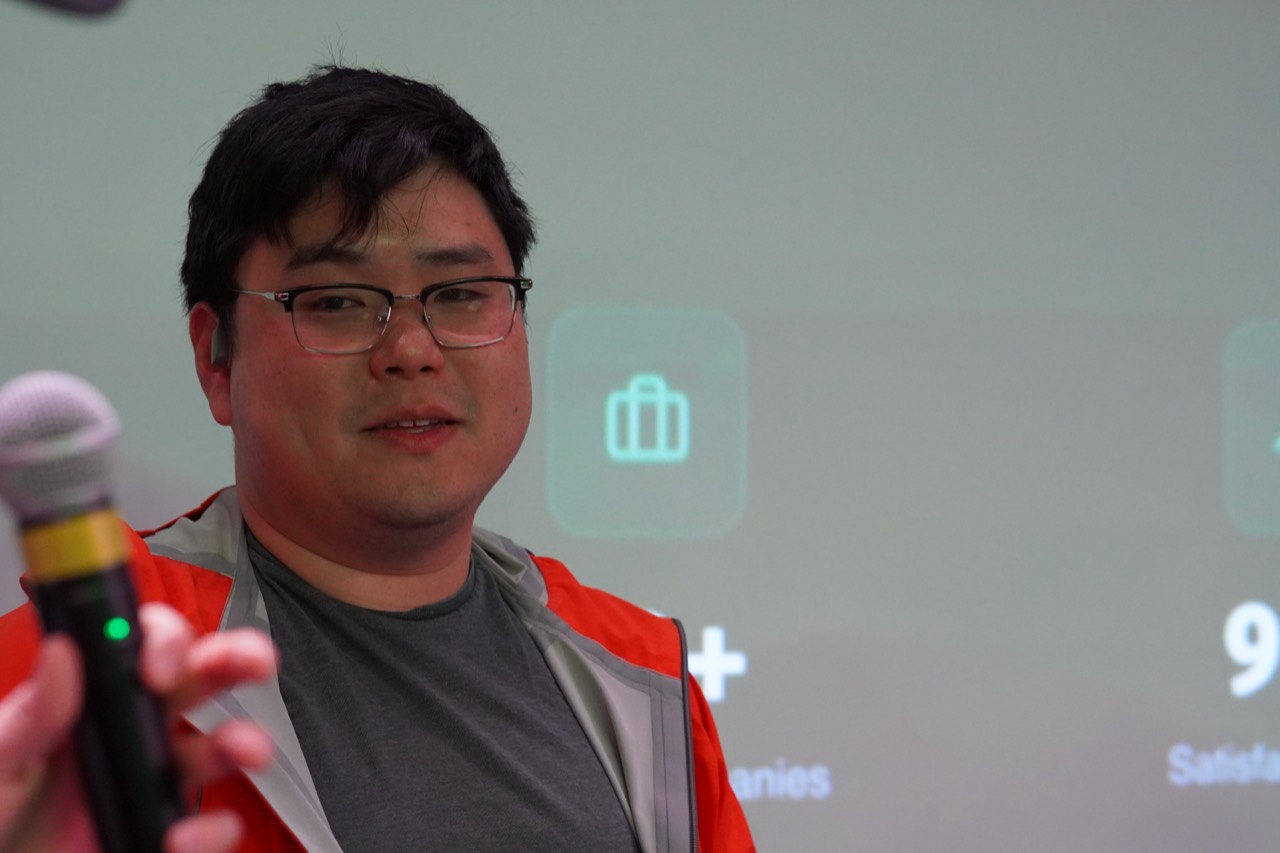
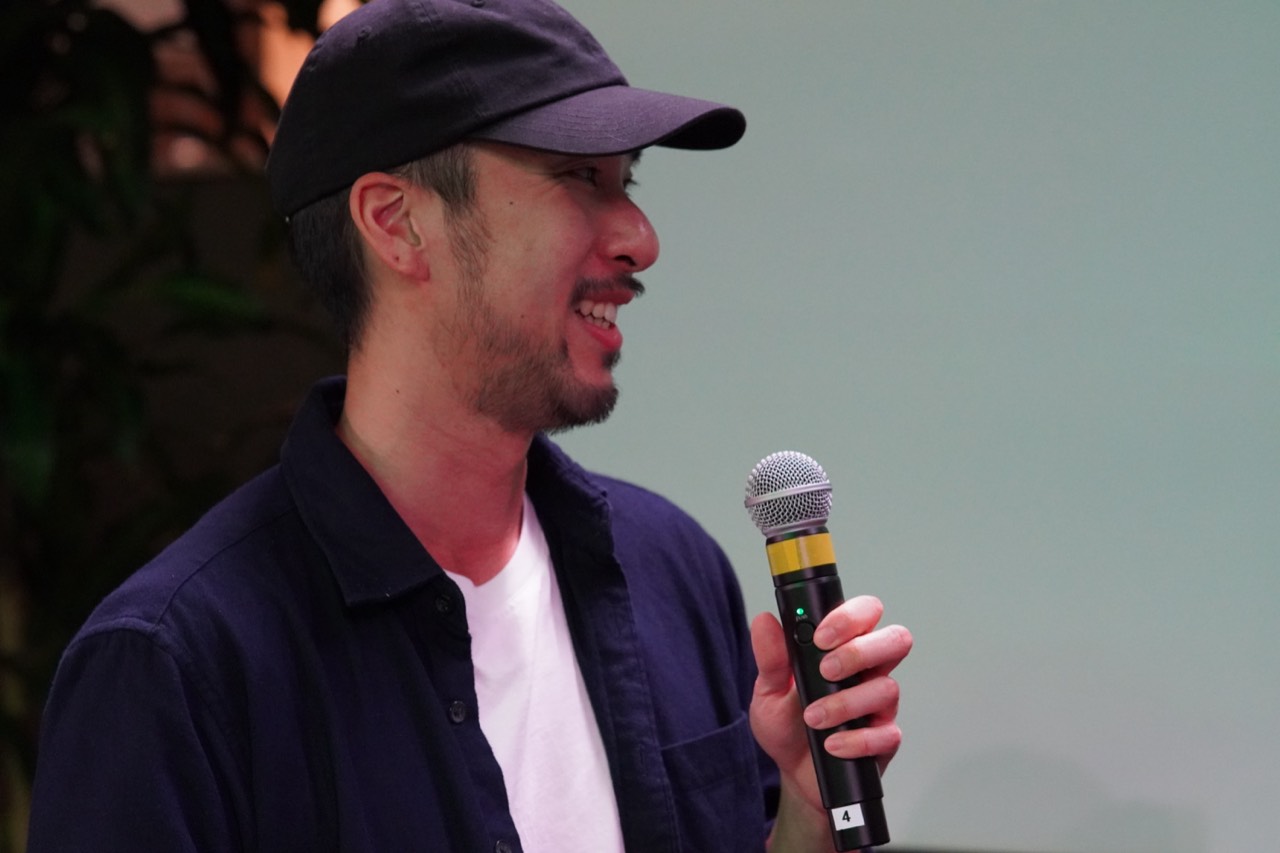
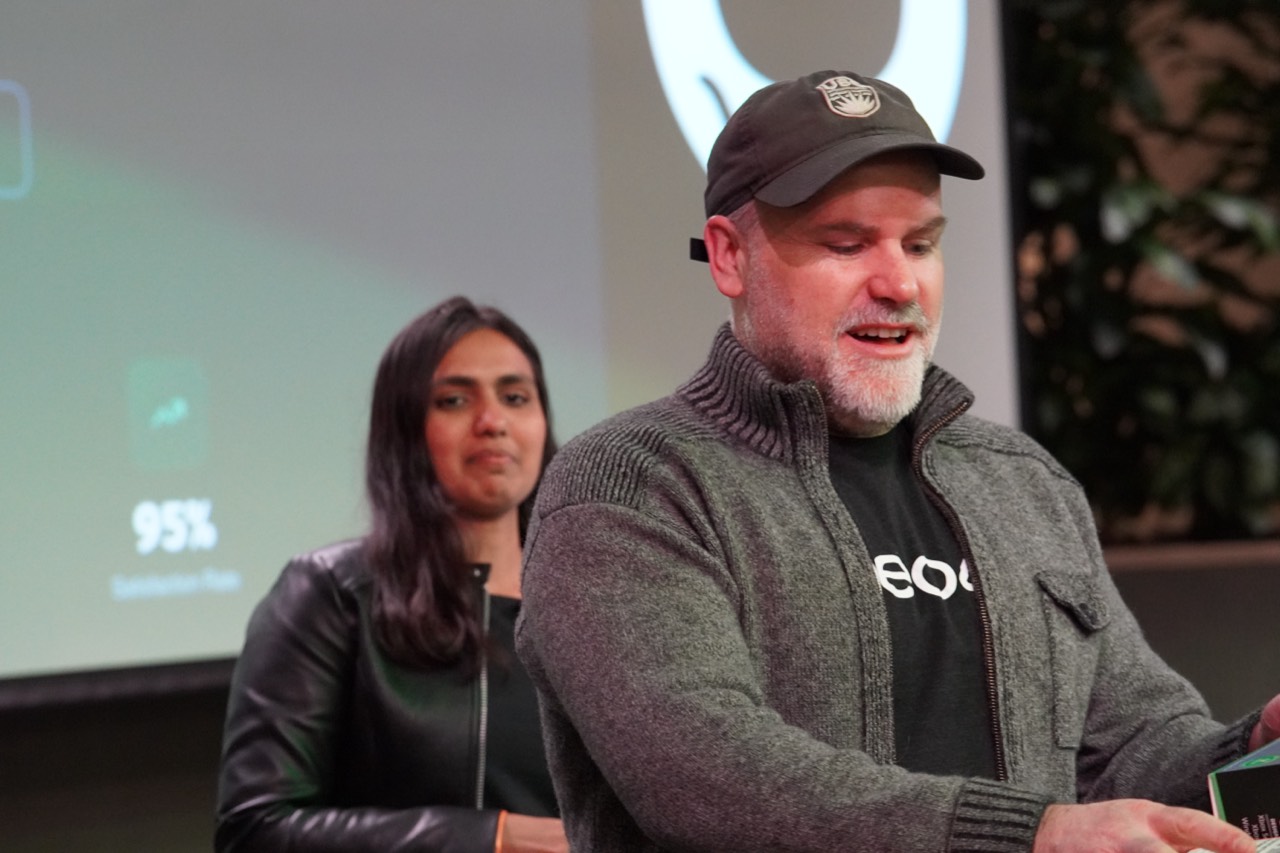
Photos from the event








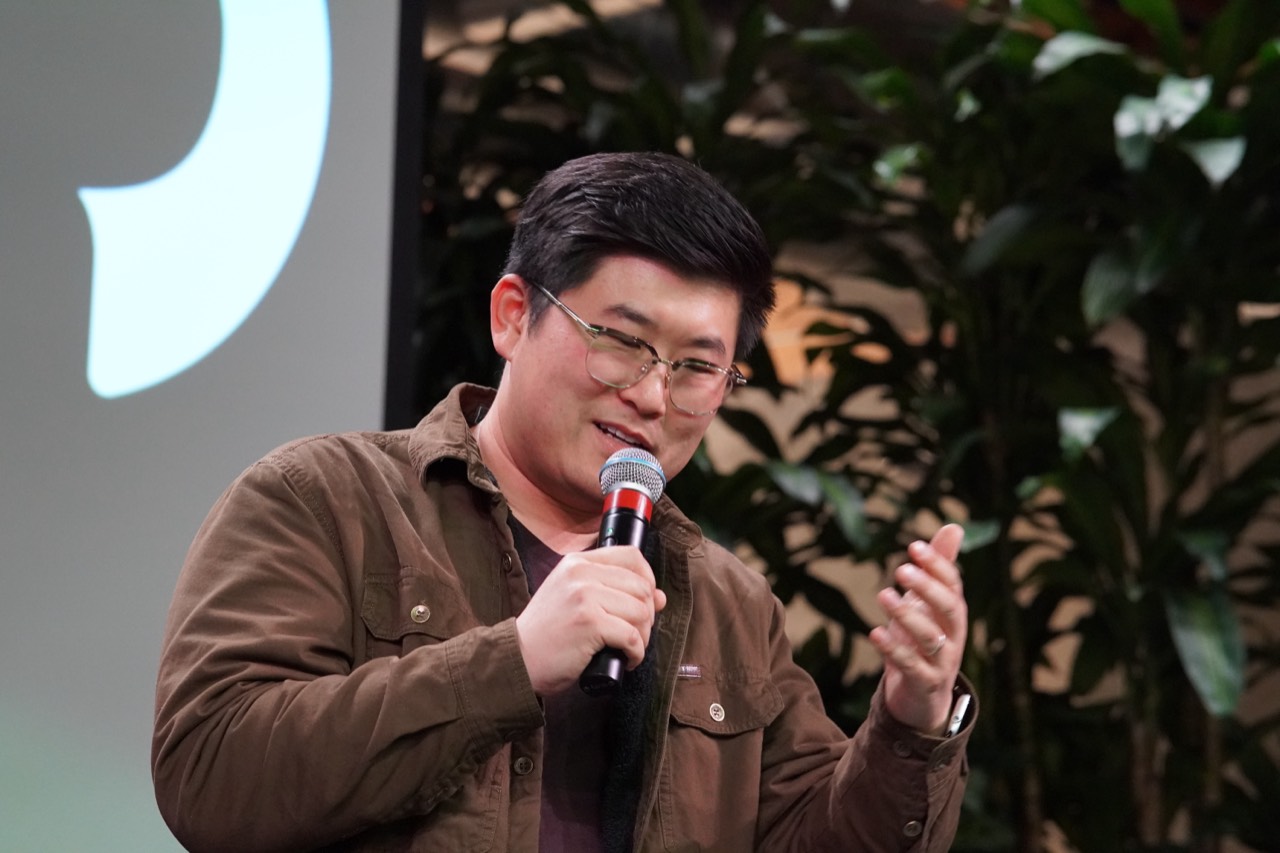
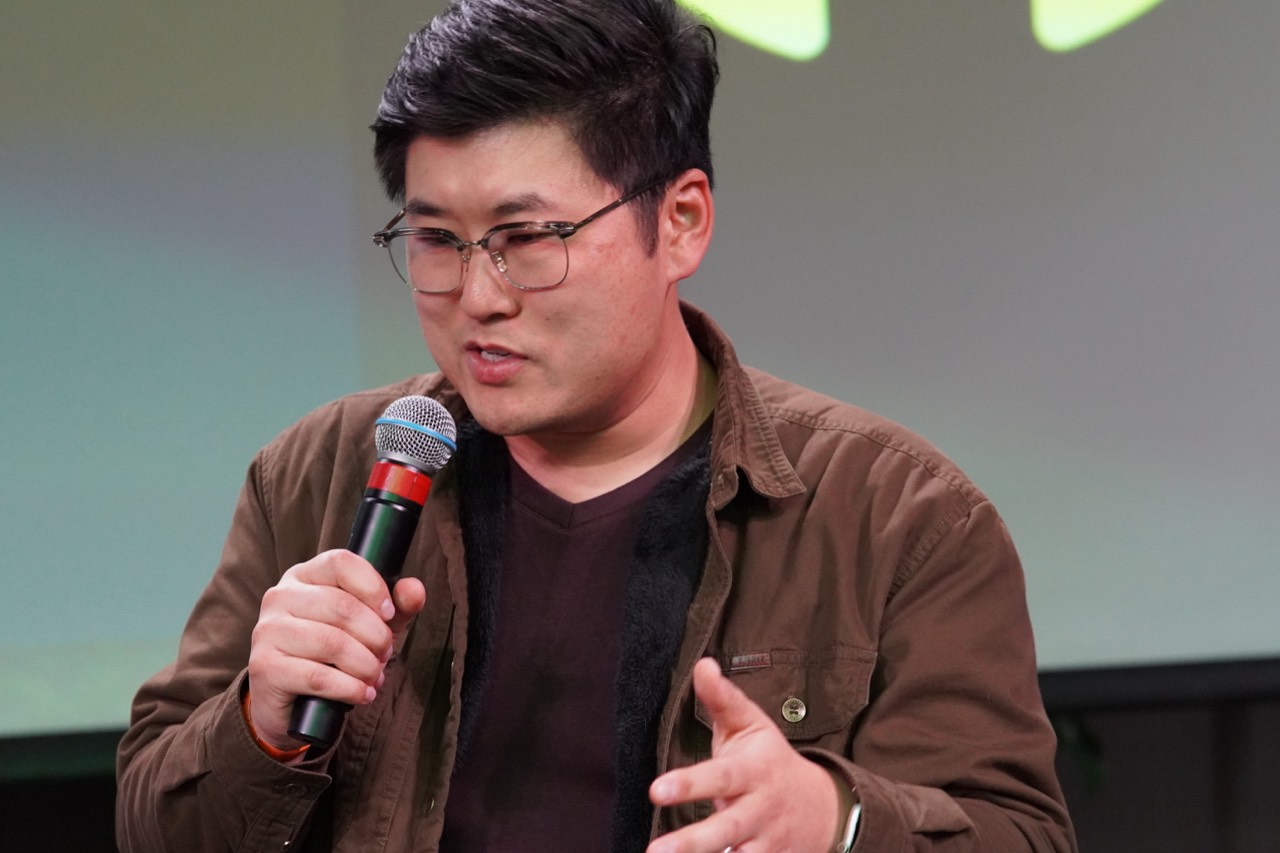
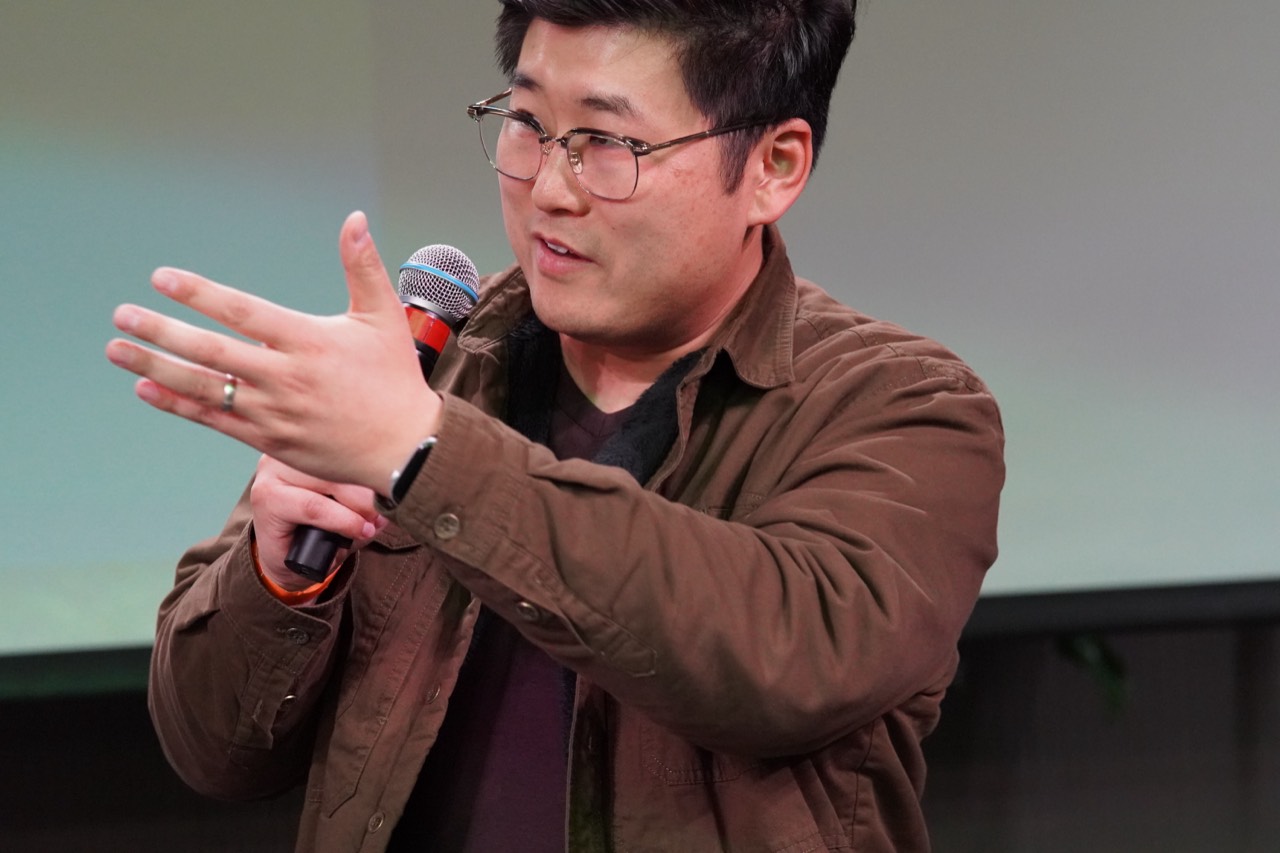
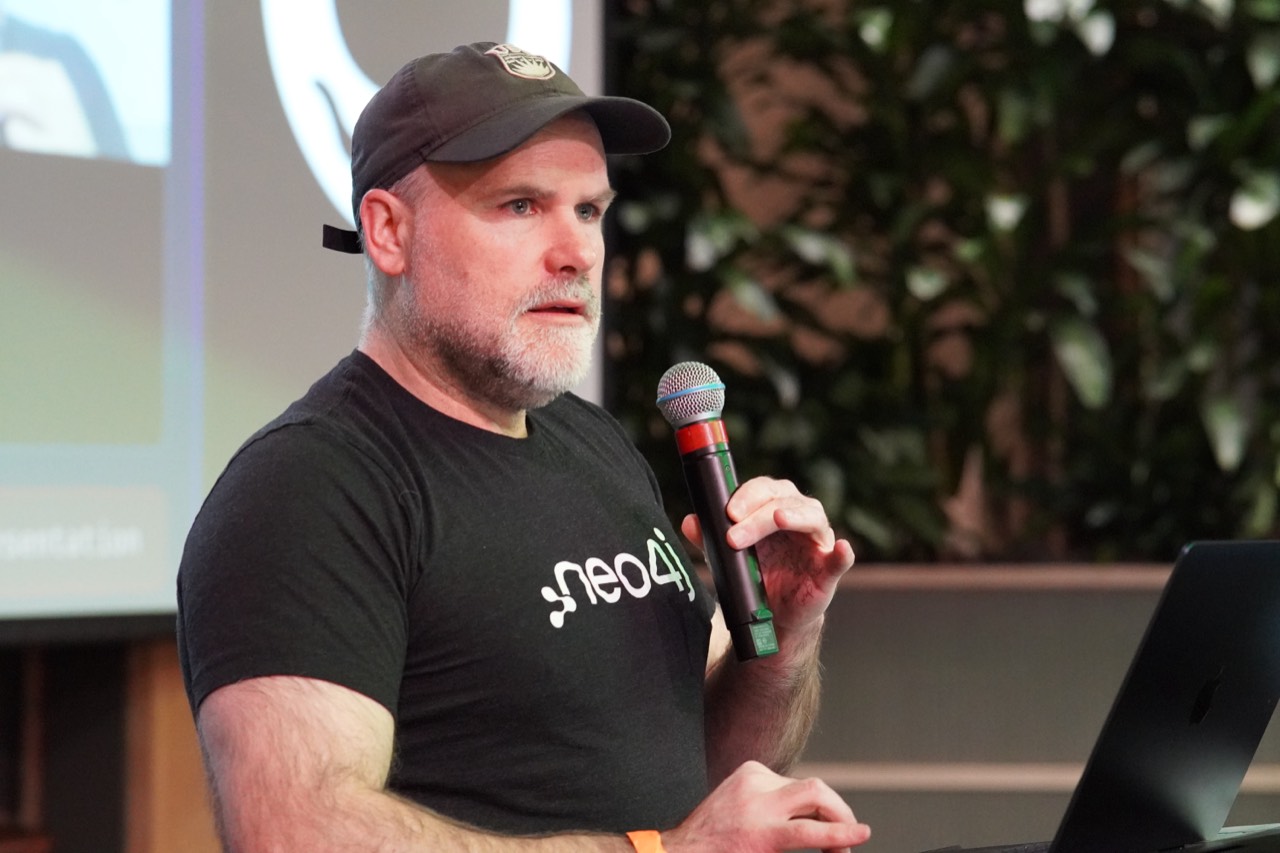






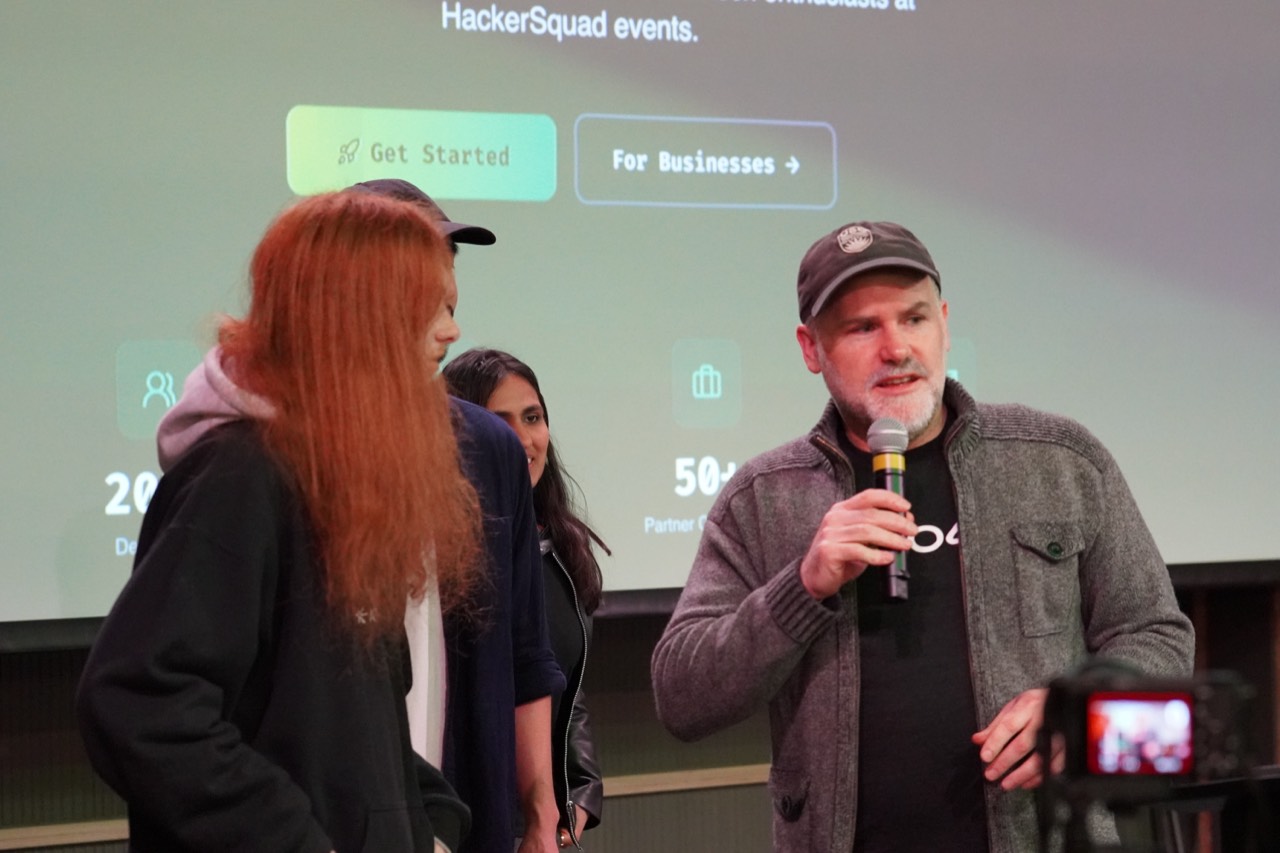
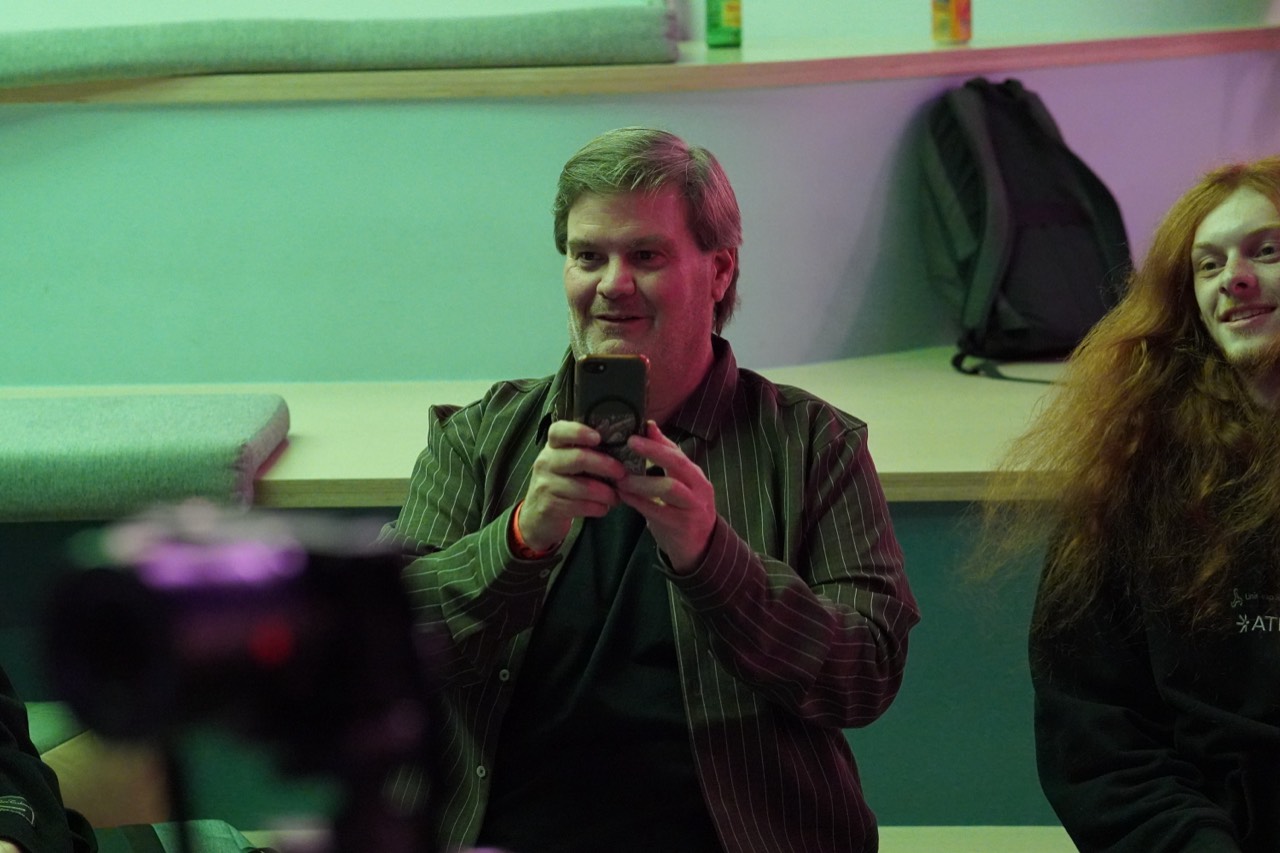

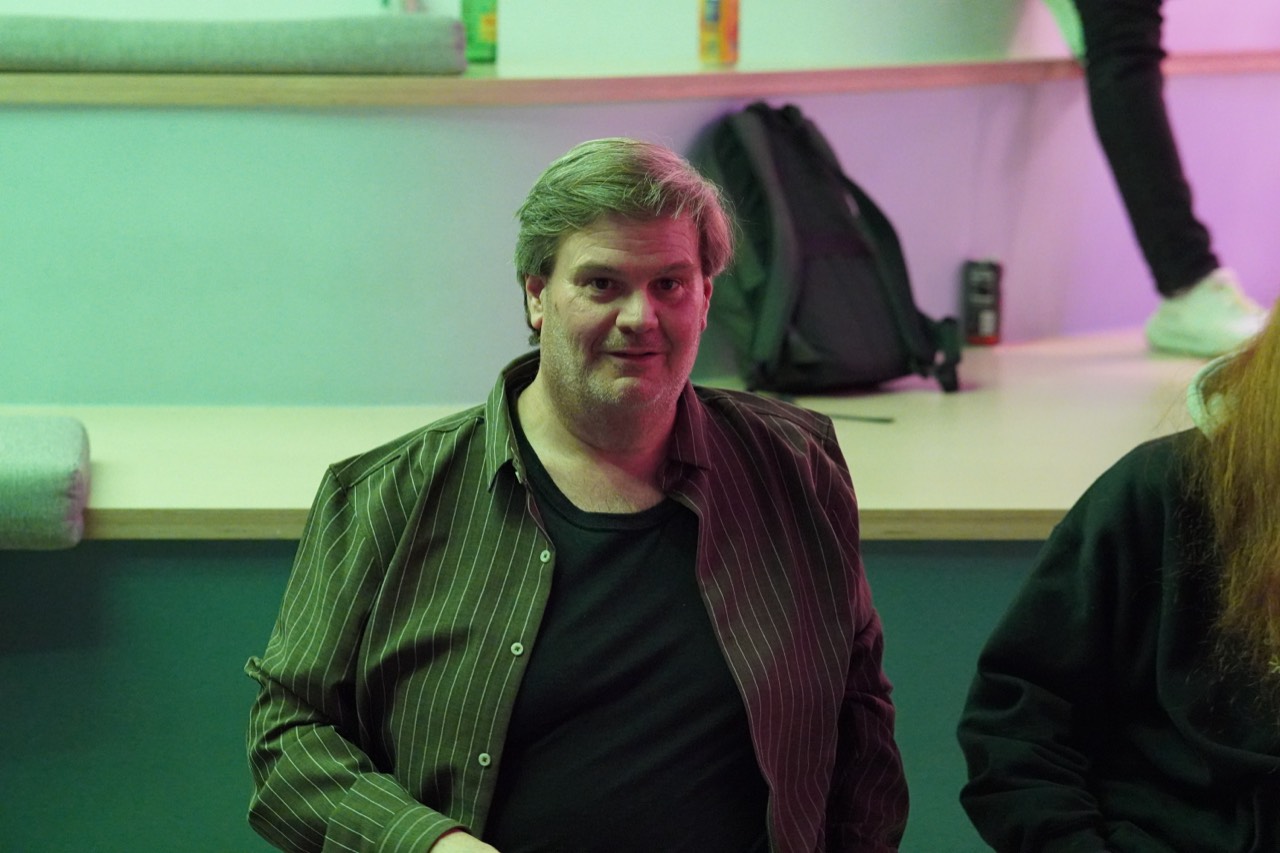
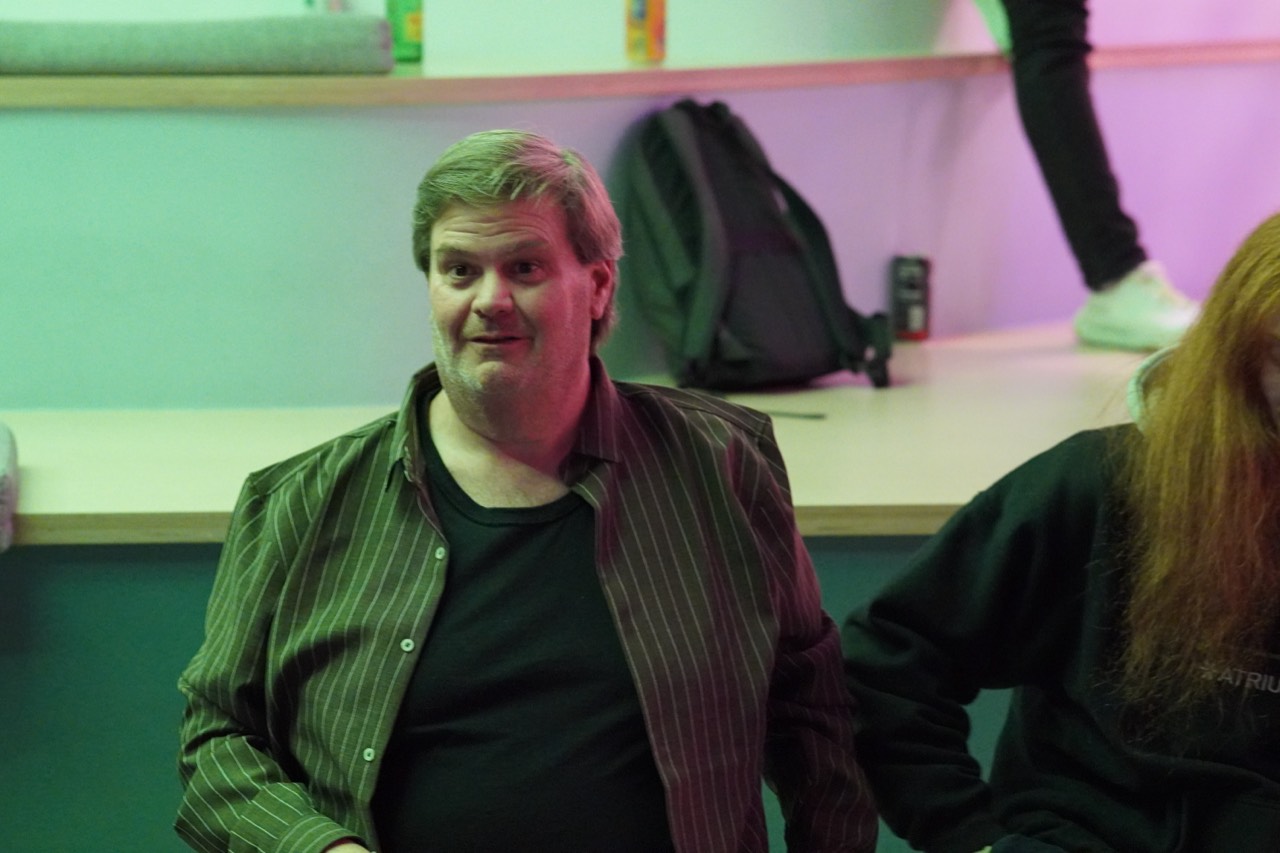

$ LiveDemos.log (10)
Watch the live demo presentations from this event
Create Hackthon Idea Videos
DEMOEDI don't know what to do for the hackathon. Let's generate some ideas and the video of the idea.
Alibaba WanTimeLense
DEMOEDAn AI agent that researches historical data from cities and museums, structures it into digestible infoblocks, and delivers it to people in real space through QR-based, location-aware experiences in TimeLense app.
Alibaba WanClaude Code, Discord, GPT, FigmaHealthTech - DeSci Roadmap
DEMOEDGenomic.Go Agent Swarm coordinates many domain-specific AI agents—genomics, target discovery, chemistry, clinical, IP, and governance—into a unified workflow that continuously reasons over multi‑omics data, literature, and real‑world evidence to propose, rank, and refine therapeutic hypotheses. Each agent is optimized for a narrow task, but the swarm collectively behaves like a modular “virtual biotech,” from early discovery through translational planning.Architecture and data governance Genomic.Go Agent Swarm assumes a federated, privacy‑preserving architecture where sensitive genomic and clinical data stay within secure vaults or trusted compute environments while agents operate via controlled APIs and attestations. Provenance, access policies, and contribution histories are recorded on decentralized infrastructure, ensuring transparent audit trails for every dataset, model, and decision. Open interfaces allow integration with external DeSci platforms, data DAOs, and enterprise partners, making the swarm an interoperability layer rather than a closed ecosystem. Strategic impact By lowering the marginal cost of hypothesis generation and validation, the swarm aims to reverse the long‑term decline in R&D productivity and make genomics‑driven drug discovery economically viable for rare, neglected, and long‑tail indications. The combination of AI agent orchestration, decentralized collaboration, and transparent IP tooling is intended to “change greed to giving” by tying financial success directly to measurable, shareable improvements in human health.
Neo4jsentient foundation Agents - FinMapper
DEMOED# Personal Finance Mapper Project link: https://graph-my-money-94.lovable.app **Graph-powered financial intelligence that reveals how your money actually connects.** ## The Problem Traditional finance apps store your data in flat tables—accounts in one place, goals in another, transactions somewhere else. You see numbers, but never the relationships between them. Which expenses threaten which goals? How do your assets work together? What's the actual flow of money through your financial life? These questions remain unanswered. ## The Solution Personal Finance Mapper uses Neo4j's graph database to model your finances as they truly exist: an interconnected network. Accounts, assets, goals, and transactions become nodes. Transfers, allocations, and dependencies become relationships. This structure unlocks insights spreadsheets can't deliver. ### Core Features **Probabilistic Goal Forecasting** Monte Carlo simulations run directly on your financial graph, modeling thousands of scenarios by traversing asset-goal relationships and accounting for correlations. Get realistic probability distributions for reaching each goal—not simplistic projections. **Graph-Native Anomaly Detection** Statistical analysis across transaction patterns identifies outliers based on their position in your financial network, catching risky spending before it derails your goals. **Relationship Visualization** Interactive graph views show how money flows from income through accounts to goals. See dependencies, trace connections, understand your financial topology. **Unified Dashboard** Bloomberg-inspired dark-mode interface with real-time net worth, goal probabilities, asset allocation, and spending alerts—all in one glance. ## Technical Stack - **Neo4j Aura** - Graph database with Query API v2 - **Supabase Edge Functions** - Serverless API (Deno) - **React + TypeScript + TailwindCSS** - Frontend - **Recharts + D3** - Visualizations - **TanStack Query** - State management ## Why Graph Technology Relational databases struggle with questions about connections. Graph databases make relationships first-class, enabling queries like "show assets funding goals below 70% probability" or "find spending correlated with declining emergency funds." The structure matches how money actually flows. ## Who It's For - Savers managing multiple long-term goals - Investors with diversified portfolios across accounts - Anyone seeking deeper financial insight beyond basic budgeting ## Vision Your finances aren't a spreadsheet—they're a network of flows, dependencies, and cascading effects. Personal Finance Mapper makes that network visible and queryable, enabling decisions based on complete information rather than isolated data points. *Built with Neo4j, Supabase, and React. Designed for clarity, built for insight.*
Neo4jThe Pause
DEMOEDThe Pause is a live decision mirror that creates space between speed and commitment. It shows where AI shaped a decisionn so humans can step in before poor judgment compounds.
Neo4jchatgpt, openrouter, lovableGraphite
DEMOEDGraphite helps VCs identify the highest-value connections at any event. Upload a guest list, and Graphite maps each attendee's work history and network against your target companies — surfacing exactly who to talk to and why they matter. Walk into your next event with a plan, not hope.
Neo4jEHR Data Explainer
DEMOEDTransform complex EHR/FHIR health records into patient-friendly visual explanations. Uses Neo4j to model relationships between conditions, medications, and body systems. Claude AI generates plain-language health summaries. Alibaba Wan 2.2 creates educational videos showing how conditions affect the body.
Neo4jAlibaba WanClaude HealthREDG recursive entity derivation graph
DEMOEDself-organizing knowledge graph of distinct identities/entities from consensus and clustering algorithms
Neo4j$ Projects.log (22)
Check out the amazing projects built during this event
create social media assets for businesses
you can link ig account and make remix or create new videos for reels based on your accounts branding!
Alibaba WanBrainteq
Brainteq is a therapeutic web application designed to help individuals struggling with insomnia caused by anxiety. Using evidence-based Cognitive Behavioral Therapy for Insomnia (CBT-I) techniques, Brainteq provides a personalized, accessible, and stigma-free way to improve sleep quality and manage nighttime anxiety. The app combines self-tracking, psychoeducation, and an AI-powered conversational agent trained on real CBT-I protocols and therapist-patient interactions—putting professional-grade sleep therapy in your pocket.
Neo4jAnyDataToContext
Download any data source from consumption of media or health, turn it into a JSON that can be ingested by LLMs, or see your wrapped.
Neo4jOpenrouter/OpenAIHealthTech - DeSci Roadmap
Genomic.Go Agent Swarm coordinates many domain-specific AI agents—genomics, target discovery, chemistry, clinical, IP, and governance—into a unified workflow that continuously reasons over multi‑omics data, literature, and real‑world evidence to propose, rank, and refine therapeutic hypotheses. Each agent is optimized for a narrow task, but the swarm collectively behaves like a modular “virtual biotech,” from early discovery through translational planning.Architecture and data governance Genomic.Go Agent Swarm assumes a federated, privacy‑preserving architecture where sensitive genomic and clinical data stay within secure vaults or trusted compute environments while agents operate via controlled APIs and attestations. Provenance, access policies, and contribution histories are recorded on decentralized infrastructure, ensuring transparent audit trails for every dataset, model, and decision. Open interfaces allow integration with external DeSci platforms, data DAOs, and enterprise partners, making the swarm an interoperability layer rather than a closed ecosystem. Strategic impact By lowering the marginal cost of hypothesis generation and validation, the swarm aims to reverse the long‑term decline in R&D productivity and make genomics‑driven drug discovery economically viable for rare, neglected, and long‑tail indications. The combination of AI agent orchestration, decentralized collaboration, and transparent IP tooling is intended to “change greed to giving” by tying financial success directly to measurable, shareable improvements in human health.
Neo4jsentient foundation Agents - DevCal
calendar that knows when you stopped coding. Get J.A.R.V.I.S-style AI video briefings (Alibaba WAN) on what's done vs what's left. Neo4j graphs map task dependencies, skill gaps, and commit relationships. Auto-commit script tracks every keystroke. Reschedule stale tasks with one click. Your developer memory platform.
Neo4jAlibaba WanMCP that sends summary of what's left to do so you don't need to create another prompt from scratch = save tokensCalEvents Discovery: AI-Powered Campus Intelligence
A centralized, real-time event discovery engine designed to navigate the fragmented ecosystem of UC Berkeley’s campus life. By leveraging the Gemini 2.0 Flash model with Google Search grounding, the application dynamically crawls, synthesizes, and standardizes disparate departmental calendars—ranging from Computer Science seminars to Anthropology workshops—into a single, high-performance interface. The platform is live at https://cal-events-discovery-extracted.vercel.app/
VibeUI
VibeUI is a generative design platform that bridges the gap between abstract aesthetic preferences and concrete user interface code. By deconstructing web design into four fundamental pillars—Face, Form, Function, and Feel—we allow users to define their brand’s DNA and instantly generate production-ready landing pages. AI sucks because it doesn't know what you want. We know what you want. VibeUI.
Alibaba Wanv0.devFinMapper
# Personal Finance Mapper Project link: https://graph-my-money-94.lovable.app **Graph-powered financial intelligence that reveals how your money actually connects.** ## The Problem Traditional finance apps store your data in flat tables—accounts in one place, goals in another, transactions somewhere else. You see numbers, but never the relationships between them. Which expenses threaten which goals? How do your assets work together? What's the actual flow of money through your financial life? These questions remain unanswered. ## The Solution Personal Finance Mapper uses Neo4j's graph database to model your finances as they truly exist: an interconnected network. Accounts, assets, goals, and transactions become nodes. Transfers, allocations, and dependencies become relationships. This structure unlocks insights spreadsheets can't deliver. ### Core Features **Probabilistic Goal Forecasting** Monte Carlo simulations run directly on your financial graph, modeling thousands of scenarios by traversing asset-goal relationships and accounting for correlations. Get realistic probability distributions for reaching each goal—not simplistic projections. **Graph-Native Anomaly Detection** Statistical analysis across transaction patterns identifies outliers based on their position in your financial network, catching risky spending before it derails your goals. **Relationship Visualization** Interactive graph views show how money flows from income through accounts to goals. See dependencies, trace connections, understand your financial topology. **Unified Dashboard** Bloomberg-inspired dark-mode interface with real-time net worth, goal probabilities, asset allocation, and spending alerts—all in one glance. ## Technical Stack - **Neo4j Aura** - Graph database with Query API v2 - **Supabase Edge Functions** - Serverless API (Deno) - **React + TypeScript + TailwindCSS** - Frontend - **Recharts + D3** - Visualizations - **TanStack Query** - State management ## Why Graph Technology Relational databases struggle with questions about connections. Graph databases make relationships first-class, enabling queries like "show assets funding goals below 70% probability" or "find spending correlated with declining emergency funds." The structure matches how money actually flows. ## Who It's For - Savers managing multiple long-term goals - Investors with diversified portfolios across accounts - Anyone seeking deeper financial insight beyond basic budgeting ## Vision Your finances aren't a spreadsheet—they're a network of flows, dependencies, and cascading effects. Personal Finance Mapper makes that network visible and queryable, enabling decisions based on complete information rather than isolated data points. *Built with Neo4j, Supabase, and React. Designed for clarity, built for insight.*
Neo4jM(Video)P
Generate a proof of concept for your idea without writing a single line of code or english. Chat with an agent to iterate on design. Then our backend first generates transitional frames (using text-to-image model), using those to produce unlimited sequential 5-sec video clips that remain cohesive! Finally, we cleanly stitch the clips together to create your demo video.
Alibaba Wangemini-3-flash-previewGraphite
Graphite helps VCs identify the highest-value connections at any event. Upload a guest list, and Graphite maps each attendee's work history and network against your target companies — surfacing exactly who to talk to and why they matter. Walk into your next event with a plan, not hope.
Neo4jEHR Data Explainer
Transform complex EHR/FHIR health records into patient-friendly visual explanations. Uses Neo4j to model relationships between conditions, medications, and body systems. Claude AI generates plain-language health summaries. Alibaba Wan 2.2 creates educational videos showing how conditions affect the body.
Neo4jAlibaba WanClaude Healthagentic loop
Autonomous AI coding loop for Claude Code. - now linked to telegram You describe what you want to build. Claude Code writes a PRD (Product Requirements Document) with small, testable stories. Ralph executes each story automatically - coding, testing, and committing in a loop until everything passes. tonight I built the telegram integration. - I hooked it up to work with telegram so you can now brainstorm ideas via chat that gets added to your git repo so you can turn into PRDs when you are read. Or you can check in on your RALPH loop AFK. It's free for anyone to use and is up on github and as an npm package. https://github.com/allierays/agentic-loop
$ Prizes.log (5)
Neo4j Xbox Headphones Prize
Xbox Gaming HeadphonesNEO4j Project Prize Your project must use Neo4j to be eligible to win this prize.
Winners:
 AGI Corp
Neo4j High Speed USB C-Hub prize
High Speed USB C-Hub prizeNEO4j Project Prize Your project must use Neo4j to be eligible to win this prize.
Winners:
 rus vac
$30 developer feedback raffle
30Give developer feedback, and you are now eligible to win this prize.
Winners:
 agustin tormakh
$50 developer feedback raffle
50Give developer feedback, and you are now eligible to win this prize.
Winners:
 Elias Cheaney
$300 best use of Alibaba Wan video prize
$300 Amazon Gift CardAlibabab Wan Project Prize Your project must use Wan to be eligible to win this prize.
Winners:
 John Chen
 Kate Huezo
$ Speakers.log (3)

Jeremy Adams
Developer Advocate
Hacking Together - Agents from Context Graphs!

AJ Chan
Using Claude Code AskUserQuestionTool for PRDs and Ralphs to build

Join Our Next Event
Don't miss out on future events. Sign up to stay updated on upcoming hackathons and meetups.
View All Events